Aviation Around Us
-
Go Around Right Before My Eyes
One day, while taking photos at the observation deck on the roof of Terminal 2 at Haneda Airport, I watched helplessly as a Boeing 787 (registration JA809A), while landing, suddenly pulled up and went around just a few meters off the ground directly above the Runway.
This site has introduced quite a few topics about go-arounds, such as Airline Pilot Confidential 6.6 Go Around, Watching Go Arounds from Downtown Tokyo, Investigation Report on the JAL 777 Tail Strike, Did a Near Miss Occur Near Haneda Airport Today?, etc., but none were experienced on the scene.
-
China Aeronautical Charts EAIP Updated to 201702
I spent a few hours upgrading all the files to the February 2017 version,
Aeronautical Information Publication (AIP) and Airport Charts of China
Please enjoy.
It’s been over half a month into 2017, but I haven’t quite found my rhythm yet, whether at work or in my personal life. I’m drifting aimlessly, just muddling along on the same old trajectory.
Maybe there will be a lot of changes this year, but mentally, I am completely unprepared for this uncertain future. I know perfectly well that passively taking it one step at a time won’t work, yet I still can’t take that new step.
-
Installing a Let's Encrypt Digital Certificate
Last year, I wrote Website starts supporting HTTPS and Using observatory.mozilla.org to improve site security. At that time, I was using the free StartCom certificate with a validity period of one year. It is about to expire at the end of this month, so I am trying to install the recently popular Let’s Encrypt electronic certificate.
First, execute these commands on Mac to install certbot. $ brew update $ brew install certbot $ brew ls certbot /usr/local/Cellar/certbot/0.9.3_1/bin/certbot /usr/local/Cellar/certbot/0.9.3_1/bin/letsencrypt /usr/local/Cellar/certbot/0.9.3_1/libexec/bin/ (18 files) /usr/local/Cellar/certbot/0.9.3_1/libexec/lib/ (1946 files) /usr/local/Cellar/certbot/0.9.3_1/libexec/ (2 files) /usr/local/Cellar/certbot/0.9.3_1/share/certbot/ (7 files)
-
Unexpected Surprises at the 2016 Zhuhai Airshow
I became interested in the Zhuhai Airshow. One reason was that I bought a certain aviation photography guide book when I went to Hirosaki Park to see the cherry blossoms –ヒコーキ写真バイブル
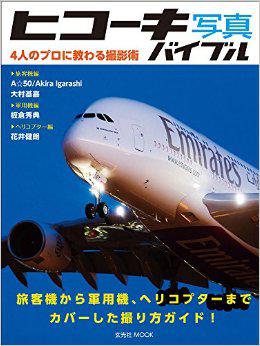 The book contained a photo of the J-31, and the details of the airframe were very clear, leaving a deep impression on me.
The commentary mentioned that the shooting location was a derelict hotel on the south side of Zhuhai Airport (commonly known as the “Gun Tower”),
so I firmly remembered this shooting spot.
The book contained a photo of the J-31, and the details of the airframe were very clear, leaving a deep impression on me.
The commentary mentioned that the shooting location was a derelict hotel on the south side of Zhuhai Airport (commonly known as the “Gun Tower”),
so I firmly remembered this shooting spot. -
Saga Airport Releases New RNP AR Approach Procedures
More than two years ago, I introduced the complex approach procedures for Saga Airport. For the ILS RWY29 procedure, you need to pass over the airport at an altitude of 5000 feet, and then make a nearly 180-degree turn before you can land.
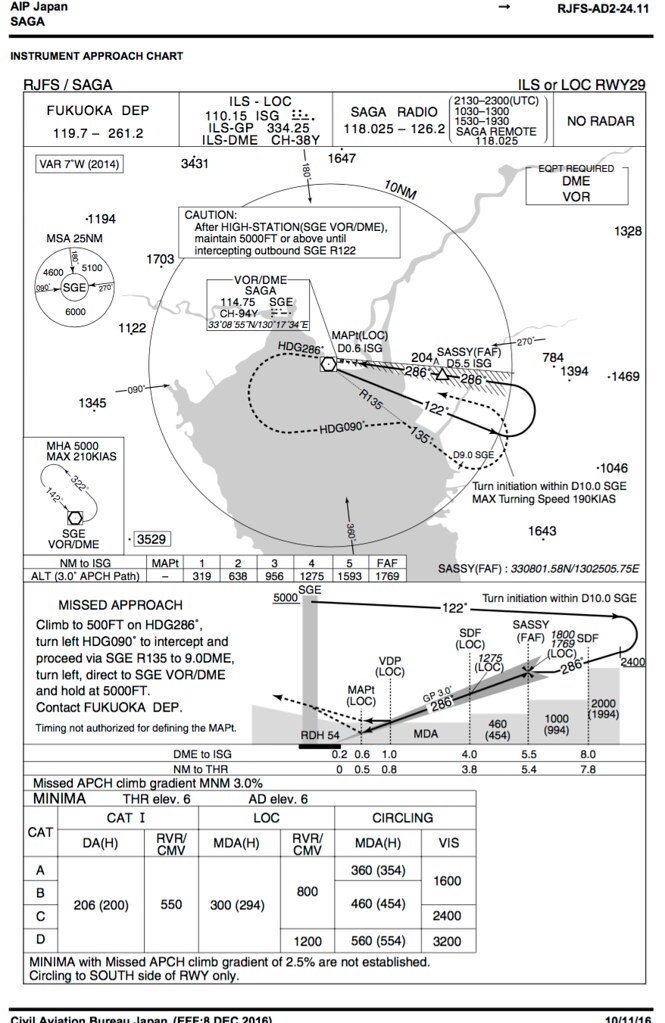 On the other hand, for a landing on RWY11, since there is no ILS,
you are required to fly a traffic pattern and circle around multiple times before touching down.
On the other hand, for a landing on RWY11, since there is no ILS,
you are required to fly a traffic pattern and circle around multiple times before touching down. -
Zhuhai Airshow 2016 Information
The 11th Zhuhai Airshow, also known as the China International Aviation & Aerospace Exhibition, will be held next week at Zhuhai Airport. Here is a collection of information from various sources.
Air Show Schedule List of Exhibiting Aircraft Traffic Guide Site Plan P+R (Park + Ride) Transfer Scheme Ticket Sales Outlets
It can be seen that although the list of aircraft is dominated by military jets, giving it the feel of an airshow combined with a defense exhibition, it is a rare opportunity to see commercial airliners such as the ARJ21-700, SSJ-100, and Bombardier CS300, which are seldom seen.
-
Visiting 2016 Tokyo International Aerospace Exhibition
The 2016 International Aerospace Exhibition was held at the Tokyo Big Sight convention center. Although this is an aerospace industry trade show, the final day is open to the general public, so it often attracts many aviation enthusiasts. I went to check it out on Saturday, October 15th. Here are a few photos to set the mood.
The iconic gate of the Tokyo Big Sight convention center
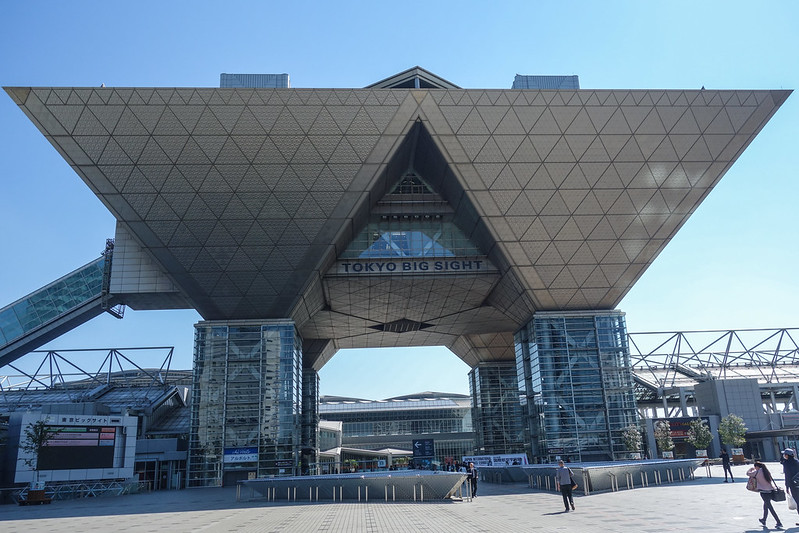 The big signboard of this airshow

-
New ILS Antenna at Haneda Airport
On October 1st, I went to see the Cathay Pacific 747-400 retirement flight, and inadvertently discovered that there were now 2 ILS GP glide slope antennas on Runway 34L. Zooming in, it looks like this.
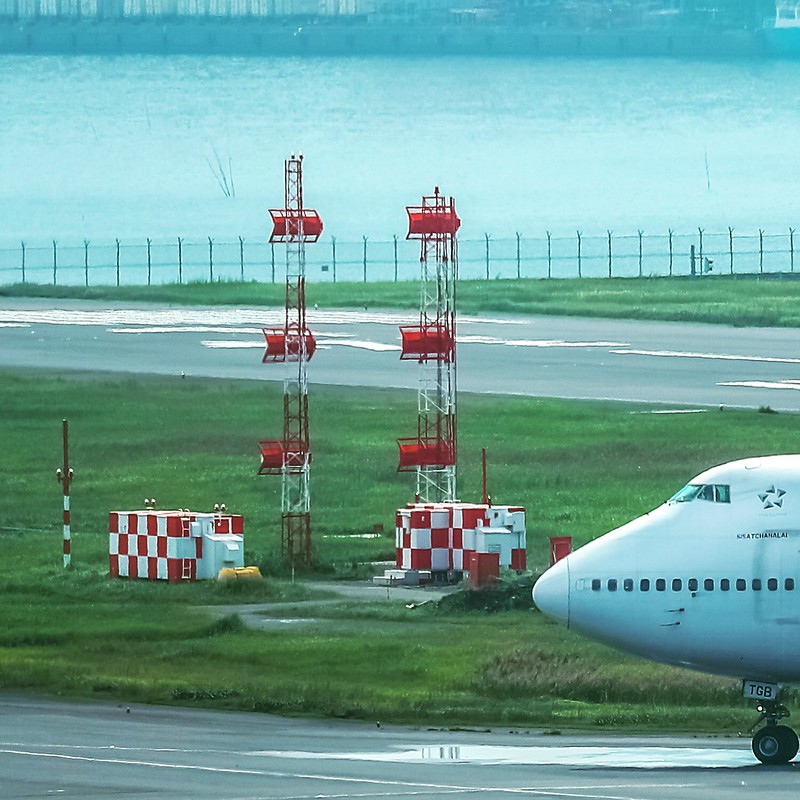 The antenna on the left in the picture is slightly higher and slender; it is the one currently in use.
The one on the right is slightly shorter and stouter; it is newly built, but it is not yet known when it will be officially put into operation.
I checked the AIP, but couldn’t find any clues.
The antenna on the left in the picture is slightly higher and slender; it is the one currently in use.
The one on the right is slightly shorter and stouter; it is newly built, but it is not yet known when it will be officially put into operation.
I checked the AIP, but couldn’t find any clues. -
The Grey Reality of KSMO Santa Monica Airport
Just a month ago I wrote A glimpse of KSMO Santa Monica Airport, and today I saw the news that the restaurant “Typhoon” mentioned in the article will close down next month. I was very surprised. This restaurant is located right inside the airport with a great environment, where you can eat and drink while watching planes take off and land. The food is also quite good, and there are regular live music performances. Why is this happening?
-
'Review of the Movie "Sully'
The movie depicting the US Airways Flight 1549 accident, Sully: Hudson Miracle, was officially released in Japan yesterday. As an aviation enthusiast, of course, I went to see the IMAX version on the opening day and have simply written down my thoughts here.
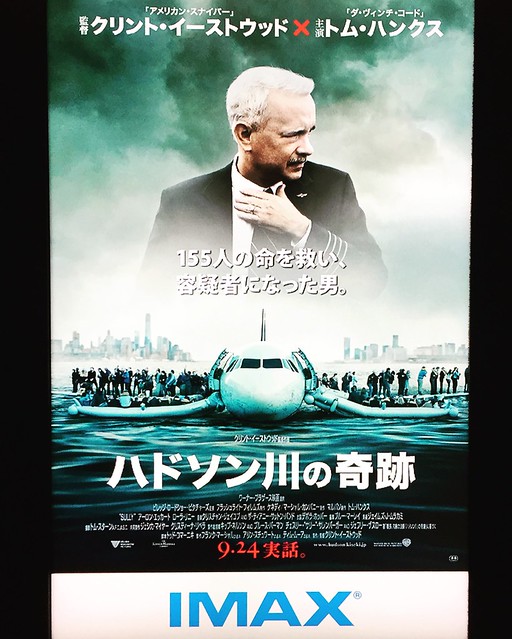
Everyone is familiar with the story of Flight 1549, and the plot isn’t complicated, so I won’t go into details here. The two blog posts below offer good explanations, so you can refer to them. Information on Sully (Sully: Hudson Miracle) First Impressions of Sully
-
Enhance Site Security with observatory.mozilla.org
I used observatory.mozilla.org to analyze the website, and found that the Scan Summary rating was only F. So, based on the explanation on the website, I slightly modified the Web server settings, as follows:
Header set Strict-Transport-Security "max-age=31536000; includeSubDomains; preload"
Header set Content-Security-Policy "*"
Header set X-Content-Type-Options "nosniff"
Header set X-Frame-Options "SAMEORIGIN"
Header set X-XSS-Protection "1; mode=block"
Consequently, the rating rose to A-. If I were to add all externally called domains to the Content-Security-Policy, I should probably get an A, but testing that is too much trouble, so I’ll make do with this for now.
-
The Malfunctioning Delta 767 In-Flight Entertainment System
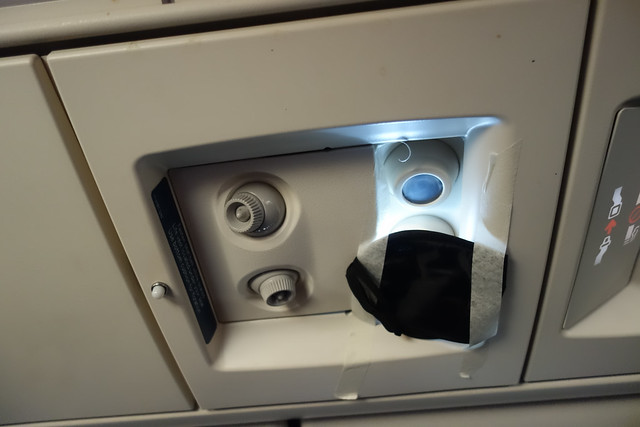
I usually don’t watch movies when I fly, so I haven’t really researched in-flight entertainment systems. On this trip, I took a Delta flight on a Boeing 767-300ER, and encountered a malfunction with the entertainment system. The overhead reading light just couldn’t be turned off. (The button for the light is on the entertainment system’s touchscreen; there is no physical switch.)
I asked a CA (Cabin Attendant) to take a look. They suggested restarting the system. After 3 restarts with no improvement, we finally resorted to a low-tech solution: taping an eye mask over the light with tape, which greatly reduced the brightness. This prevented it from disturbing the rest of the passengers around me.
-
China Aeronautical Charts EAIP Updated to 201610
Some friends asked why the new Runway at Wuhan wasn’t added; of course, you can’t see it if the charts haven’t been updated. So I spent a few hours upgrading all files to the October 2016 version,
Aeronautical Information Publication (AIP) and Airport Charts of China
Feel free to use them.
-
APU Air Inlet Door Comparison
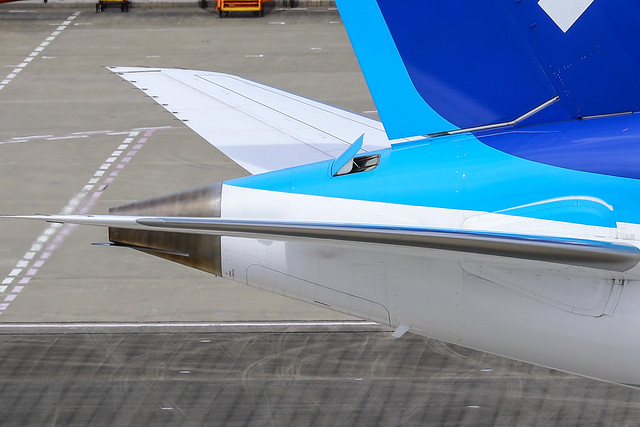
Following up on the previous post Observing the details of various intake and exhaust ports on the Boeing 737-800 tail, I thought the shape of the 737’s APU intake was quite unique, so I checked the photos I had on hand to see the shapes of other models.
The APU intakes of the Boeing 767, 777, and 787 are all located at the bottom of the vertical stabilizer (tail fin), above the right side of the tail cone, but there are slight differences. The 767’s position is slightly forward,
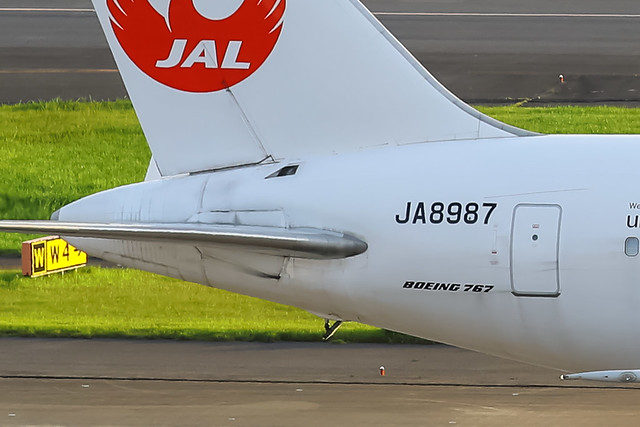 while the 777 and 787 are positioned towards the rear of the vertical stabilizer.
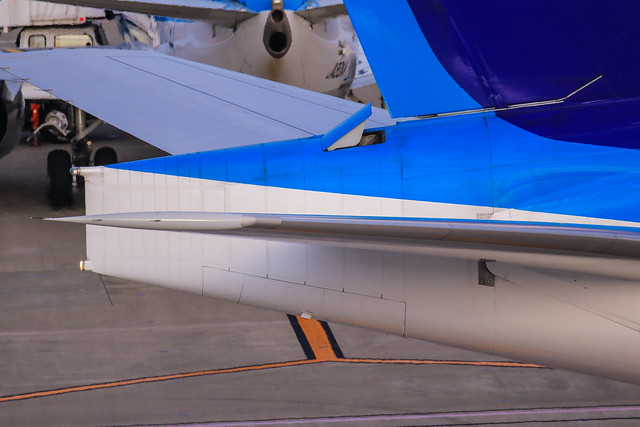
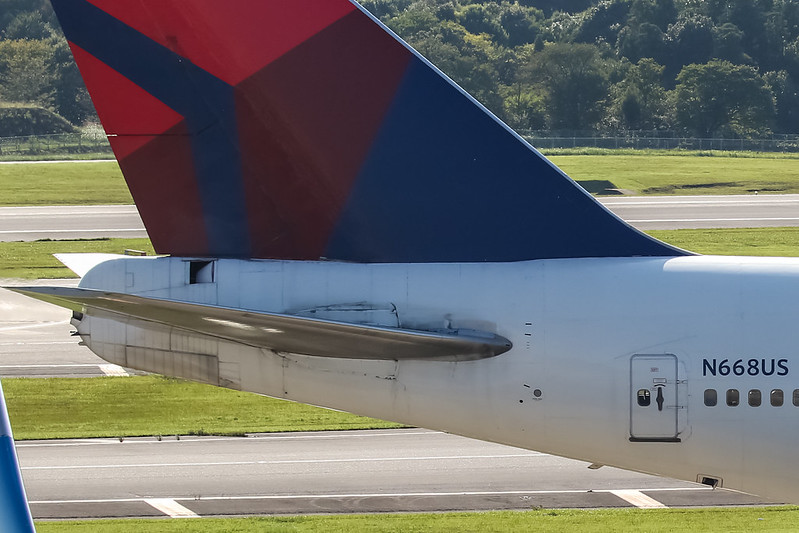
 The position of the Boeing 747’s APU intake is roughly the same, but the difference is that the opening faces inward into the fuselage, rather than opening outwards.
-
Waypoints Named After Cars and Food
Thanks to a reminder from my friend Ming (in the comments), I just realized that there are actually some interesting waypoints named after car brands.
On SkyVector, you can easily find:
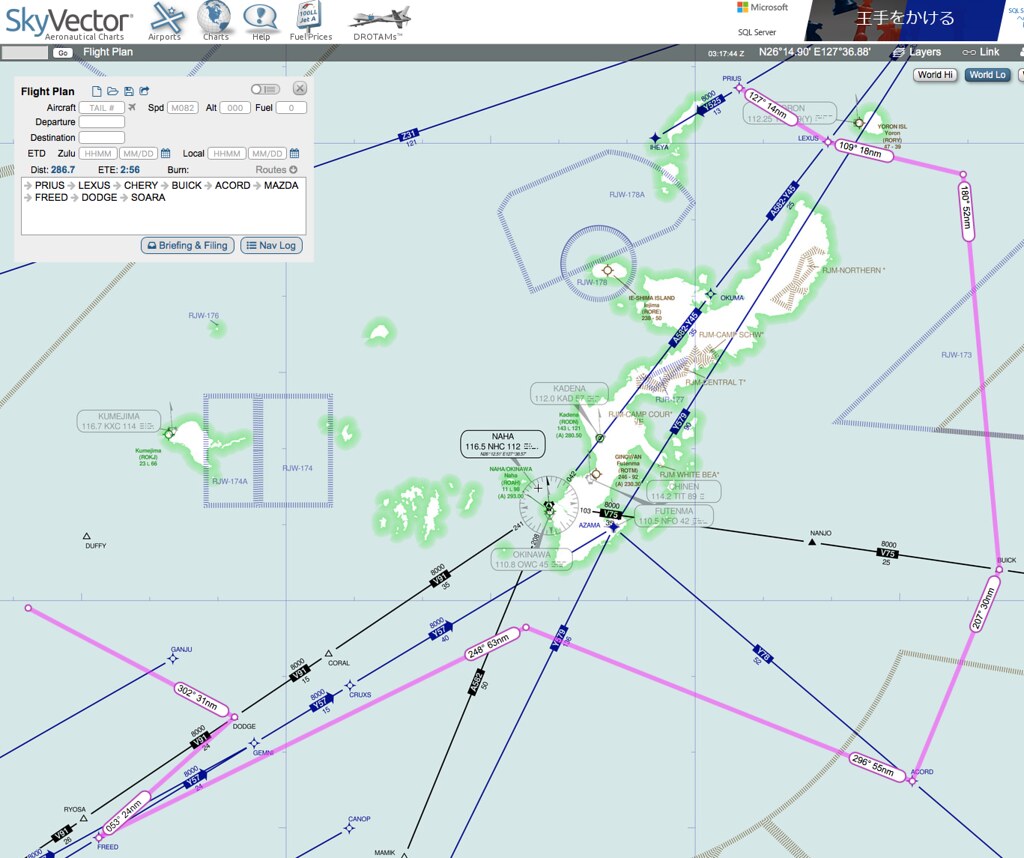 PRIUS (Toyota Prius),
LEXUS (Toyota Lexus),
CHERY (A discontinued Nissan model),
BUICK (GM Buick),
ACORD (Honda Accord),
MAZDA (Mazda),
FREED (Honda FREED),
DODGE (Chrysler Dodge),
SOARA (Toyota Soarer).
PRIUS (Toyota Prius),
LEXUS (Toyota Lexus),
CHERY (A discontinued Nissan model),
BUICK (GM Buick),
ACORD (Honda Accord),
MAZDA (Mazda),
FREED (Honda FREED),
DODGE (Chrysler Dodge),
SOARA (Toyota Soarer).They are distributed around the perimeter of the main island of Okinawa. It feels like the aviation authorities intentionally used car brands to define the waypoints in this region.
-
Email Exchange Over the Atlantic
I saw something quite interesting on a pilot blog, so I got the author Anzai-san’s permission to translate it into Chinese and publish it here.
-
Waypoints Named After Beer
I went to Fukuoka on a business trip last week. Before the flight, I checked the route information and discovered that the route from Haneda (RJTT) to Fukuoka (RJFF) is extremely simple.
It involves the SEKID Departure procedure out of Haneda, followed by flying west all the way along Airway Y20 (SEKID is also the starting point of Y20). Once reaching STOUT, the end of Y20, you are already very close to Fukuoka.
-
Major Zone Index
I have a Japanese book titled “Guide to Reading English Aircraft Manuals.” It is intended for aircraft maintenance personnel at airlines and explains a large number of English technical terms. Just flipping through it, I found this diagram to be quite helpful: the Major Zone Index Diagram.
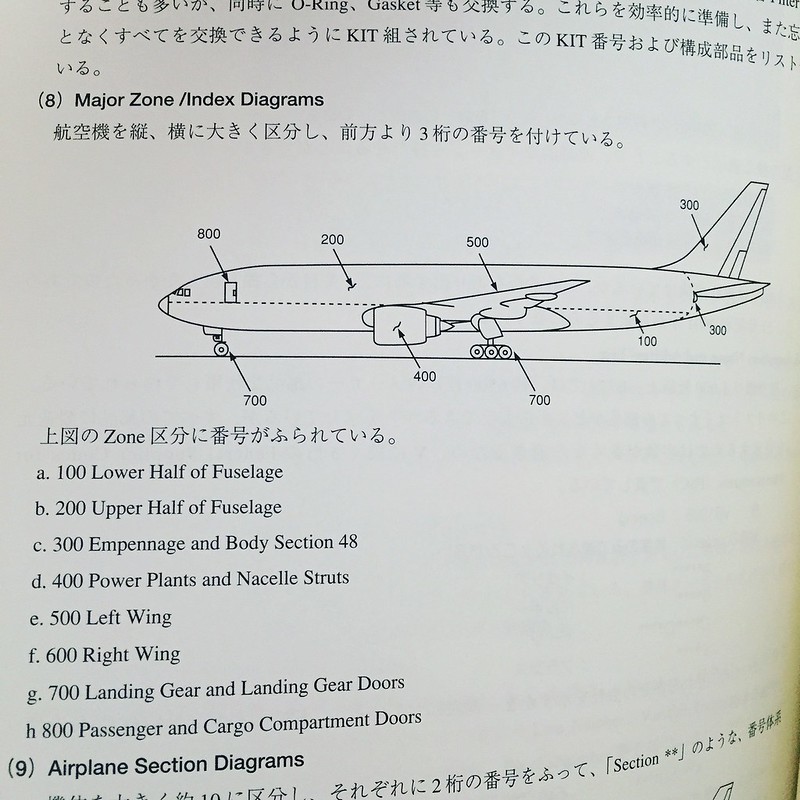
It turns out that every zone of the airframe is assigned a 3-digit number for management:
100 Lower Fuselage 200 Upper Fuselage 300 Empennage (Tail Section) 400 Engines and Nacelles 500 Left Wing 600 Right Wing 700 Landing Gear 800 Doors
-
Application of VR Technology in Flight Simulation and Flight Training
In the IT industry this year, VR technology has been a very hot topic. It was originally thought that Oculus Rift would start becoming popular in flight simulations like X-Plane; for instance, there was an announcement last year titled Oculus Rift: Apparently Windows First.
However, surprisingly, JAL (Japan Airlines) has already started using VR technology to train pilots and maintenance personnel. They are not using Oculus Rift, but rather Microsoft HoloLens.
According to JAL’s announcement, during the initial training of first officers, HoloLens is used to simulate the cockpit environment of a 737-800. It serves as an auxiliary tool to help trainees more easily understand the locations of various instruments. The HoloLens also features explanatory audio, which guides trainees through operating procedures and the execution of checklists.
-
FlightRadar24 Redesign: Highly Immersive Experience in 3D Mode
It seems flightrader24 has been updated, and the 3D mode looks quite nice.
For instance, after checking the NOTAMs for Kumamoto Airport RJFT, I looked at the airspace above the airport and spotted this Tottori Prefecture Fire Department helicopter, JA31TA.
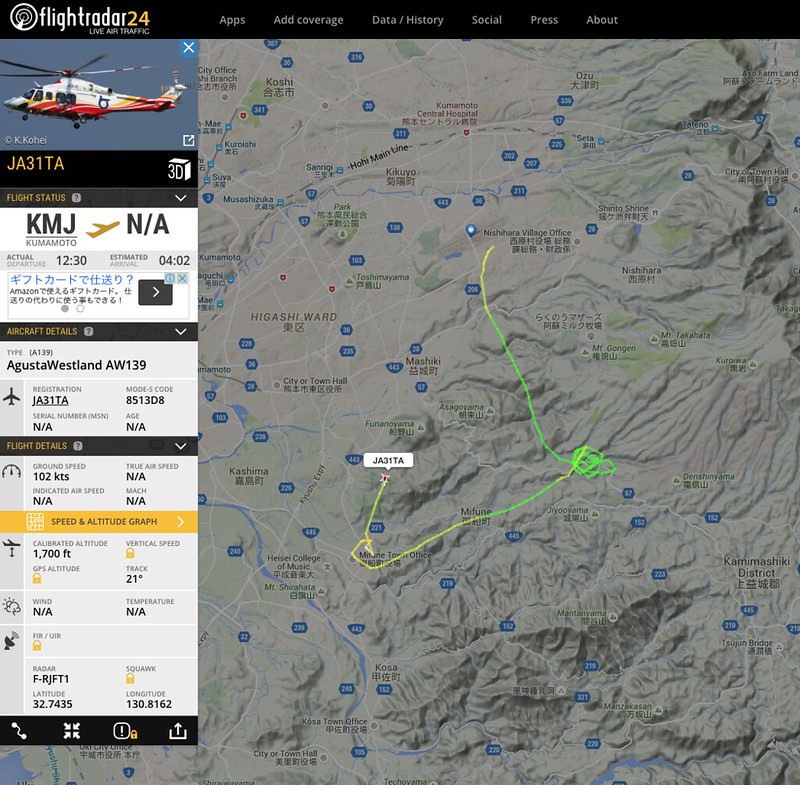 Its model is the Italian AgustaWestland AW139, and it appears to be carrying out an earthquake rescue mission.
So, I opened the 3D mode, which features Cockpit View and External View functions.
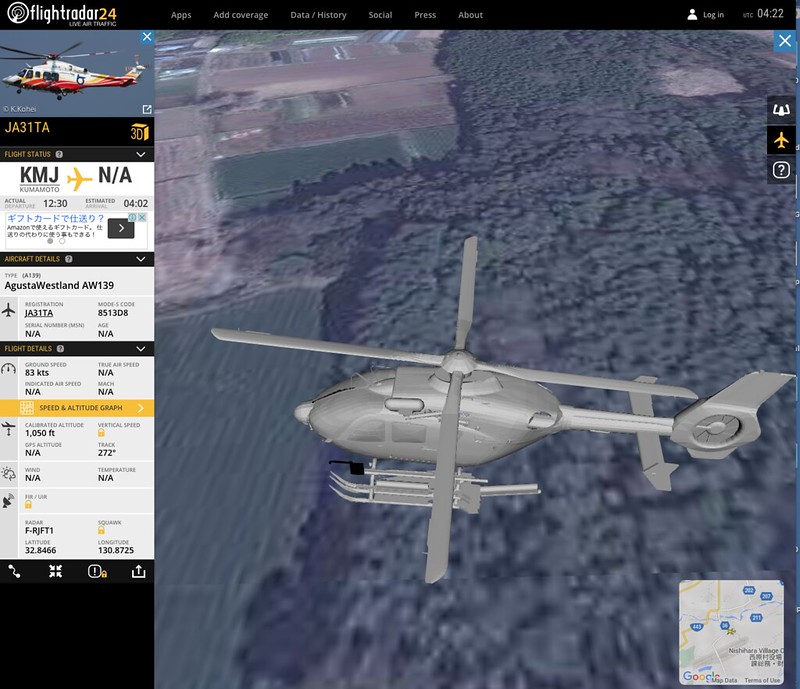 You can see the helicopter flying over the town hall of “Mifune-machi,” gradually descending in altitude to begin the rescue mission.
 You might not be able to tell from the static images above, but watching it live offers a truly immersive experience.