ANA Replaces Rolls-Royce Engine Turbine Blades on Boeing 787
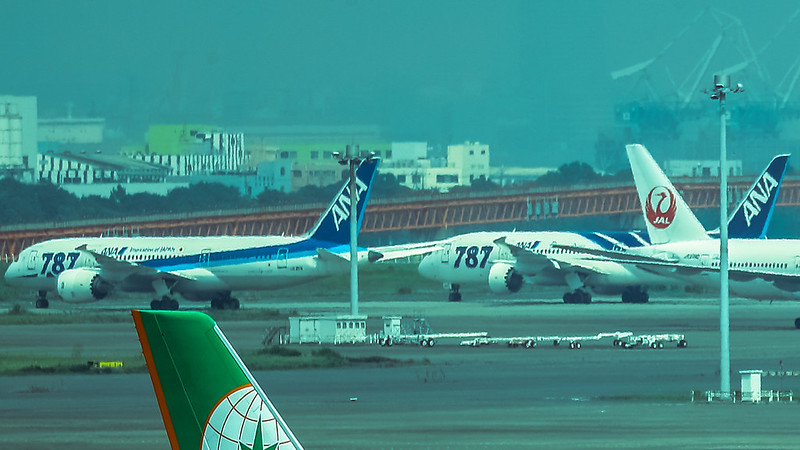
I knew that ANA had started replacing the Rolls-Royce Trent 1000 engine turbine blades on its Boeing 787 aircraft, but I hadn’t gone to the airport to see them. On this day, I went to shoot the STAR WARS Jet No.3, and I accidentally discovered a few parked in the cargo Apron area. Upon closer observation, I found that there were indeed no engines under the wings. These should be 787s currently undergoing maintenance and upgrades, so I took some photos to record the occasion.
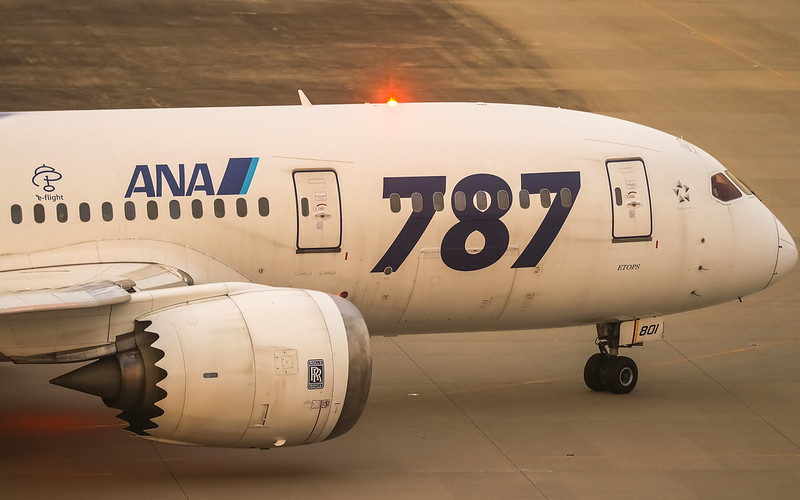
For the 787 on the right, the engine nacelle only has the rear half remaining. You can see the difference by comparing it with the complete one on the left.
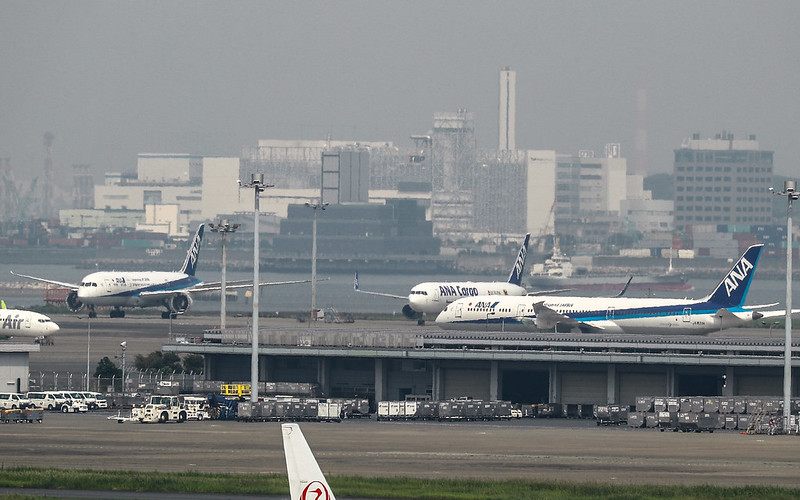
In the photo below, the engine nacelle of the 787 on the left only has the rear half as well, while the 787 on the right simply lacks the entire engine nacelle.
Regarding the Rolls-Royce Trent 1000 engines, ANA provided a detailed explanation in their Notice Regarding Details of Engine Maintenance and Upgrades for Boeing 787 Aircraft. Here is an excerpt:
Earlier this year, we experienced two incidents involving aircraft returning to their departure airports due to engine anomalies. These two flights were:
- NH816 from Kuala Lumpur to Narita (February 22, 2016)
- NH858 from Hanoi to Haneda (March 3, 2016)
As described below, we are working closely with Rolls-Royce, the designer and manufacturer of the engines in question, to develop a permanent technical solution to this problem.

Cause of the Anomaly
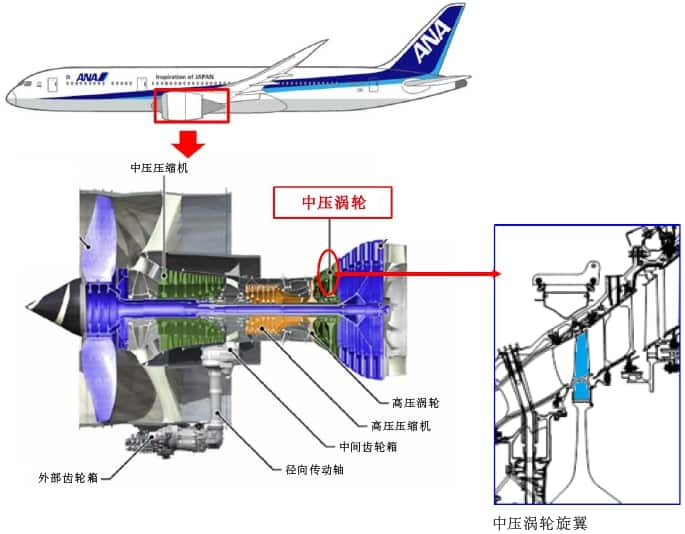
According to Rolls-Royce's analysis, this issue is caused by fatigue cracks in the Intermediate Pressure Turbine blades (Author's note: rotor blades) (see image below). These cracks are caused by corrosion from sulfides in the atmospheric composition. The propagation of these cracks is directly proportional to the number of flight cycles experienced by the engine.
Current Measures Taken 1) Aircraft operating international flights The atmospheric environment in which aircraft operating international routes fly contains higher concentrations of the aforementioned chemical elements. Additionally, due to higher power output, the exhaust gas temperatures of these aircraft engines are also higher. These factors make the appearance of fatigue cracks more likely. Therefore, we have implemented an initiative to determine the number of flight cycles required for fatigue cracks to appear in the Intermediate Pressure Turbine blades by analyzing the flight environment and flight cycle count of each engine, thereby systematically replacing engines before the determined number of flight cycles is reached.
- Aircraft operating domestic (Japanese) flights Compared to aircraft operating international routes, the atmospheric environment for aircraft operating domestic routes contains lower concentrations of the aforementioned chemical elements. Furthermore, these aircraft engines have lower power output. Consequently, this operating environment is unlikely to produce fatigue cracks caused by sulfide corrosion, and these engines will not undergo systematic replacement.
Despite the measures mentioned above, on August 20, domestic flight NH609 from Haneda to Miyazaki experienced the same issue. Therefore, we have proactively decided to shorten the replacement cycle for engines on domestic aircraft identified by Rolls-Royce. This plan has caused a temporary shortage in our fleet of operable aircraft, resulting in the cancellation of some flights. In the future, we will replace existing engines with new engines equipped with improved corrosion-resistant turbine blades to permanently resolve this issue. Until then, to prevent the appearance of cracks, we will install brand-new or minimally used turbine blades of the current type on engines removed from the aircraft. Furthermore, we wish to emphasize that in a brand-new or minimally used state, the current type of turbine blades do not pose any safety risk. This engine issue is unrelated to the battery issue that caused the grounding of the aircraft in January 2013.
The 787 truly is a model plagued by misfortune. In 2012, it was grounded for a long time due to batteries overheating and smoking,
which was also mentioned in this site’s article Boeing 787 APU Inlet Door Opened During Flight.
I look forward to a prompt solution to this Intermediate Pressure Turbine blade fatigue issue.
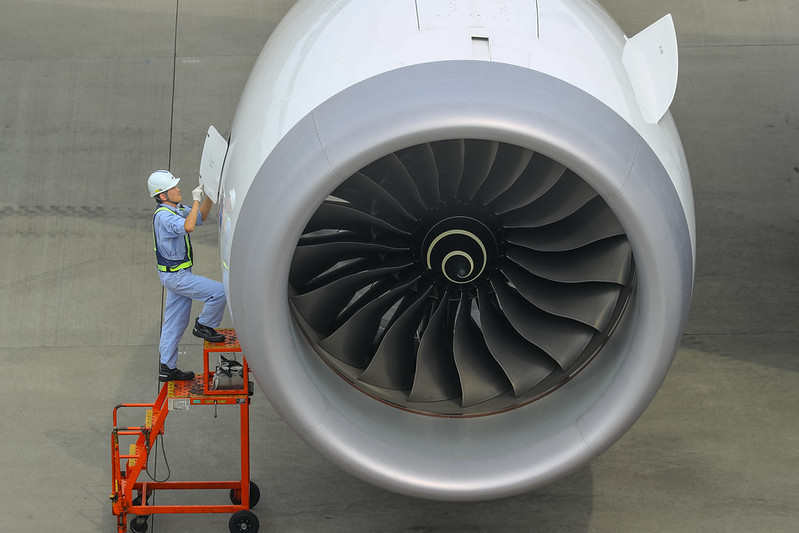
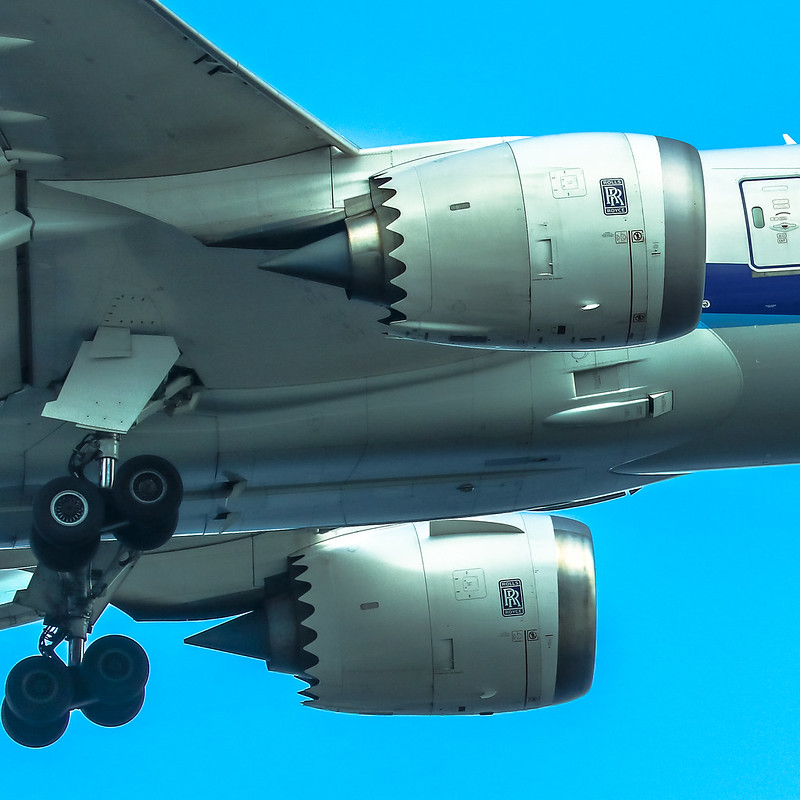
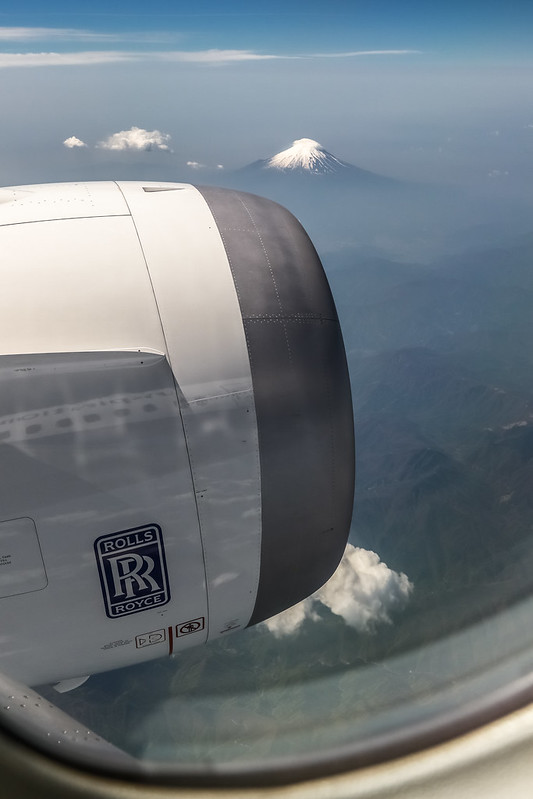
And let’s post a few photos of the Trent 1000 engine taken in the past to take a careful look at its appearance.