Cuaderno de un Entusiasta de la Simulación de Vuelo

中文 English 日本語 Français Deutsch Español 한국어 Русский 繁體中文

Vista de un lanzamiento de cohete desde los ojos de un piloto

Vi un reportaje en Ming Pao — 荷民航機師 拍到解放軍反導測試, busqué la página de Instagram de este piloto de carga de Boeing 747 Christiaan van Heijst, y ciertamente encontré estas valiosas fotos.

Here we go again.. Last night, flying from Hong Kong to Baku over the Himalaya mountains, we witnessed something that was truly a once in a lifetime event. What started unexpectedly with an unusual bright spot on the horizon quickly changed into a droplet-shaped bubble that rapidly grew in size and altitude. Just a few minutes later, the rocket&;s exhaust gasses started forming a brightly curved trail that was accompanied by various illuminated spots in the dark sky that varied in color and shape, probably depending on the angle by which they were illuminated by the sun. This visual spectacle came as a total surprise for us and the only thing we found in the NOTAMS for our route was a &;temporarily restricted airspace&; with a 100km radius somewhere south of Urumqi in north-west China with no mention of the nature of the closure, let alone a possible rocket/missile launch. Also, a quick search on google gave me no results about any publicly announced launches for this weekend. EDIT: apparently it was a Chinese anti-ballistic missile test; (French) http://www.eastpendulum.com/4-essais-de-missile-balistique-en-juillet The entire event took no more than 12 minutes, from first spotting the bright light to the last dissipating glowing spots in the sky. My knowledge of hypersonic shock-waves and the behavior of exhaust gasses in the upper atmosphere is extremely limited, but looking at the photos it seems to me that there have been two rocket stages burning after each other in succession. Taking into account that the Chinese suffered a catastrophic launch of a Long March 5 exactly 3 weeks earlier, it might be logical to assume this was a test-flight of another rocket in a relatively remote area of China with little to no witnesses. Except a Dutch pilot and a camera that they might not have counted on ;) See my blog for more info and high res photos; https://jpcvanheijst.com/blogs/2017/07/596970-rocket-launch-over-china

Christiaan van Heijstさん(@jpcvanheijst)がシェアした投稿 -

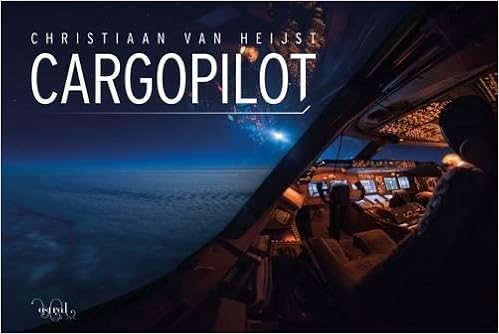
Christiaan van Heijst es en sí mismo un experto fotógrafo, su sitio web personal es muy, muy genial, además, también tiene su libro de fotografías a la venta en Amazon, así que pedí uno inmediatamente.
En su blog también tiene una explicación de esta sesión fotográfica, Anti-ballistic missile test over China, menciona que un sitio web chino también explicó el mismo lanzamiento: 20170723NOTAM Estas dos páginas web tienen muchas fotos, así que no las extraeré aquí.

Finalmente, no lo traduciré, solo copiaré el reportaje de Ming Pao, disculpen.

《每日郵報》報道,34歲的Christiaan當時駕機從香港飛往阿塞拜疆首都巴庫,途中飛越喜馬拉雅山脈,意外見到航線北部,即中國西北地區,有導彈升空。Christiaan說,當時的飛行高度約為3.21萬呎(約9784米),太陽落下地平線一pequeña時後,他們眼前突然爆出一個非常刺眼的亮光,「我們發現地平線上突然出現一個非常亮的光點,而且迅速膨脹升高」。他意識到那是火箭或導彈升空時的尾迹,遂拿出相機拍攝。

事前知中國部分空域關閉

Christiaan稱,約一分鐘之後,第一個「氣球」還在膨脹之時,其上方又出現一個尾迹,「我覺得這是火箭第二級點火,此時我斷定我們見證了一次威力巨大的導彈發射」。 Christiaan表示,機組人員事先知道航線北部和南部中國空域的某些部分已經關閉,但沒有得知具體細節,也沒接獲禁飛區導彈發射的通知,因而對事件感意外。 Christiaan事後得知這是中國進行的一次反導系統測試,「我還知道了我們航線北部的禁飛區是發射場,南部禁飛區是導彈碎片可能墜落的區域」。他表示,自己駕駛的客機可能是唯一一架當時飛經反導測試區附近的飛機,「這是一生難得一見的事」。

本港軍事評論員梁國樑也看到這篇報道,他說這應是一次反導測試,特別是反導系統發光的蛇行軌迹,是在追蹤目標及作調整時出現的。

Al viajar en avión, no duerman, observen el exterior, after all, no se sabe cuándo aparecerá esta valiosa oportunidad de disparar el obturador.

2017/08/07 El libro llegó, además tuve una pequeña interacción con el autor en Instagram, jeje.

@jpcvanheijst さんのobra「CARGOPILOT」が届きました。今まで見たmejorのaviónコックピットfoto集。本当に素晴らしい!

Leiさん(@yinlei)がシェアした投稿 -

2018/2/19 La foto de cabina de Christiaan ganó el gran premio en la CATEGORÍA ABIERTA de IPOTY2017, felicidades. INTERNATIONAL OPEN CATEGORY DISCOVERY OF THE YEAR 2017 Christiaan van Heijst (Netherlands) A visit to the stratosphere