A Flight Sim Enthusiast's Notebook
-
Notes on Flying in Japan's Air Defense Identification Zone (ADIZ) Based on the Aeronautical Information Manual AIM-J
This week, the Air Defense Identification Zone (ADIZ) has become one of the hottest topics in China, Japan, and the US, following the issuance of relevant regulations by our government:
Statement by the Government of the People’s Republic of China on Establishing the East China Sea Air Defense Identification Zone Announcement of the Aircraft Identification Rules for the East China Sea Air Defense Identification Zone of the People’s Republic of China
I am not a military enthusiast, but since this topic is trending, I decided to check the Aeronautical Information Manual Japan (AIM-J) I have on hand to see what it says about the Air Defense Identification Zone and learn a bit.
-
Release Plan After X-Plane 10.25
Ben, a developer of X-Plane, published a blog post discussing future development plans. However, he spent a considerable amount of time explaining how difficult predictions are, while basically mentioning no specific features.
From this long article, the only information we can gather is:
- Version 10.25 has been officially released. However, more bug fix versions within the year are not ruled out; these fixes generally do not involve the source code and are estimated to be mainly data file related.
- The next major version will be 10.30, with a release date sometime next year; specific features are unknown.
- If third-party developers discover any bugs, please do not rush to modify your own work, but instead provide feedback to the X-Plane development team first.
Alright, let’s look forward to the arrival of 10.30.
-
A Visit to JAL SKY MUSUME and the Maintenance Factory
Recently, I visited the Japan Airlines (JAL) Maintenance Facility located inside Haneda Airport.
 There are dedicated staff members explaining aviation knowledge, allowing you to observe aircraft and the inside of the maintenance facility up close. Best of all, it’s completely free—quite a bargain, isn’t it?
I recommend everyone to go and take a look if you have the chance.
To participate, you need to make a reservation in advance online. The website is here.
You can also find an overall introduction to this tour on the official website.
There are dedicated staff members explaining aviation knowledge, allowing you to observe aircraft and the inside of the maintenance facility up close. Best of all, it’s completely free—quite a bargain, isn’t it?
I recommend everyone to go and take a look if you have the chance.
To participate, you need to make a reservation in advance online. The website is here.
You can also find an overall introduction to this tour on the official website. -
Most Popular Free Plugins on x-plane.org in October
It seems that introducing the most popular monthly addons on x-plane.org has become a tradition; it feels like something is missing if I don’t do one, so here is a brief list.
Best Aircraft Douglas A-4 Skyhawk by nicolas/mid7night B-52 with 3D cockpit by depass57 737-300 Classic by skycycle
Best Scenery Paris City Scenery for XP10 by beber LEPA and Island of Mallorca by helgo Australia Outback Airstrip Pack N°2 by xplaneuser LOWW Wien Schwechat ny OE3GSU KNPA Naval Air Station Pensacola by frede
-
Setting Up a Discone Antenna (D130) for Aviation Band ATC Reception
Recently, in order to better receive Air Traffic Control, I spent 12,000 yen (120 USD) to purchase a Discone antenna.
 The results are quite satisfactory, and it has significantly improved radio reception.
This product model is the D130, manufactured by Diamond Antenna Corporation. It is an antenna with a very good reputation among aviation enthusiasts, recommended by many books and magazines. The reception frequency range of this antenna is very broad, covering from 25Hz to 1300MHz. However, the dimensions are large, with a height of 170 cm and a diameter of 84 cm, so it takes up a lot of space once installed. I racked my brains trying to find a place for it; I tried several spots on the balcony but couldn’t find a permanent home for it. Therefore, I temporarily decided to set it up every time I use it and put it away when I’m done.
-
Introduction to Setting Weather Conditions in X-Plane 10
X-Plane 10 features powerful weather simulation capabilities. Not only can it download the latest real-world weather from the internet, but it also allows for the manual configuration of wind, clouds, visibility, wind shear, thermal updrafts, runway conditions, and more. Below is a brief guide on how to use these features.
To configure these settings, click on the Environment / Weather menu to open the settings page,
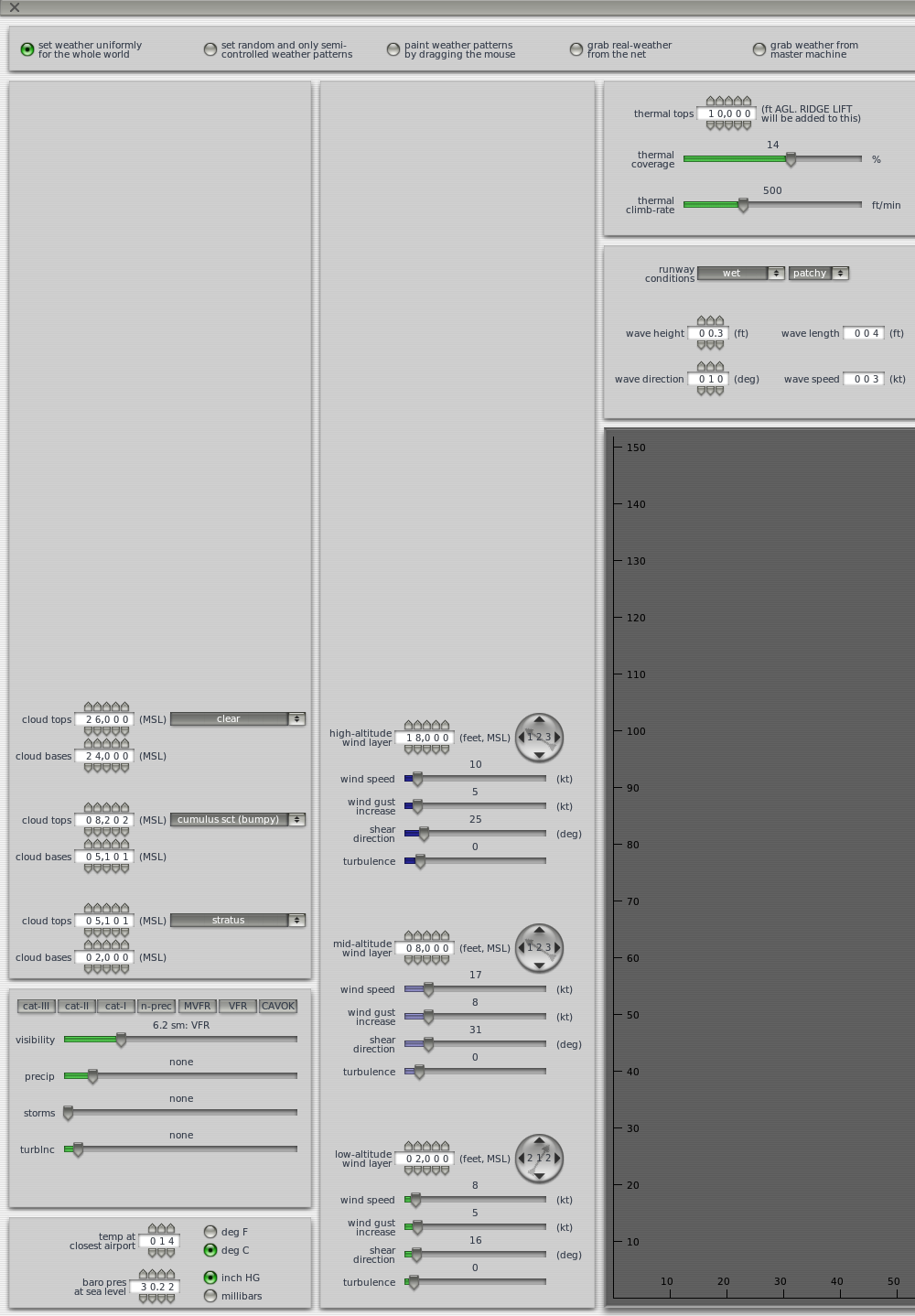 as shown in the image above.
 -
X-Plane 10.25 Beta 1
Good news, X-Plane players! X-Plane 10.25 Beta 1 is here.
I saw the development team’s blog early this morning and immediately updated to give it a try. I didn’t find any issues, so everyone can upgrade with peace of mind. If you don’t know how to upgrade, please refer to this site’s X-Plane Beginner’s Guide.
The biggest highlight of this update is that the team has started integrating community airport Scenery directly into X-Plane. This time, over 250 airports were installed at once. You won’t have to painstakingly search the web one by one anymore; X-Plane now includes the Scenery built-in. This is fantastic news. I’ve seen friends online complain right after installing XP about how bare the airports looked. Since X-Plane will continue to absorb high-quality Scenery resources from the web into the core sim, players can focus more on flying.
-
How to Become a Pilot Series
A netizen studying flight in the US, 蘑菇头的小银子, has started writing a series on how to become a pilot. Although it is still under construction, let us follow along and learn from it.
How to Become a Pilot Series (1) —- Preparations How to Become a Pilot Series (2) —- First Semester (Fall) Course Notes on Becoming a Pilot
Looking forward to more updates, keep it up!
-
Introduction to Visual Docking Guidance System
As everyone knows, after an aircraft lands, it either docks at the Jet Bridge, requiring ground marshals to visually estimate the distance and guide the pilot by holding up yellow signs; or it uses the Visual Docking Guidance System, where the pilot controls the aircraft to taxi into the parking spot based on the instructions on the display screen ahead.
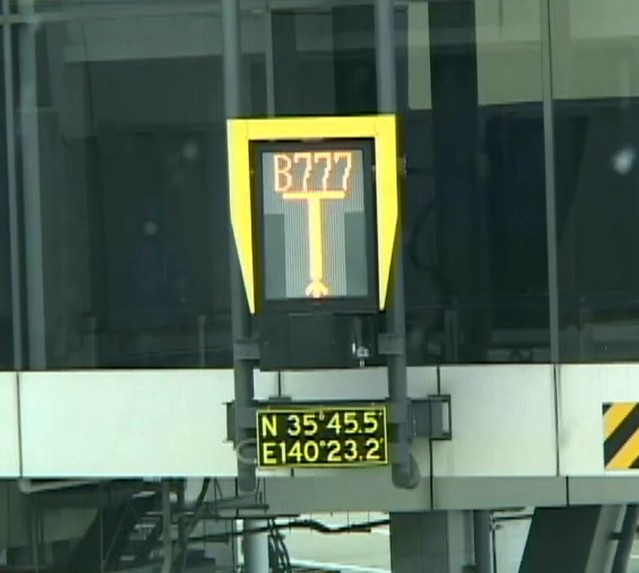
I recently saw the system manual for Haneda Airport and found it quite interesting, so I decided to briefly record it.
-
x-plane.org Most Popular Free Add-ons for September
Here are the results for the most popular plugins of September. This month features both familiar faces and exciting newcomers. Let’s take a look at the results.
Taking the top spot for aircraft is our familiar Falcon 7X. We have introduced this before, and now it supports X-Plane V10.22. You should definitely upgrade.
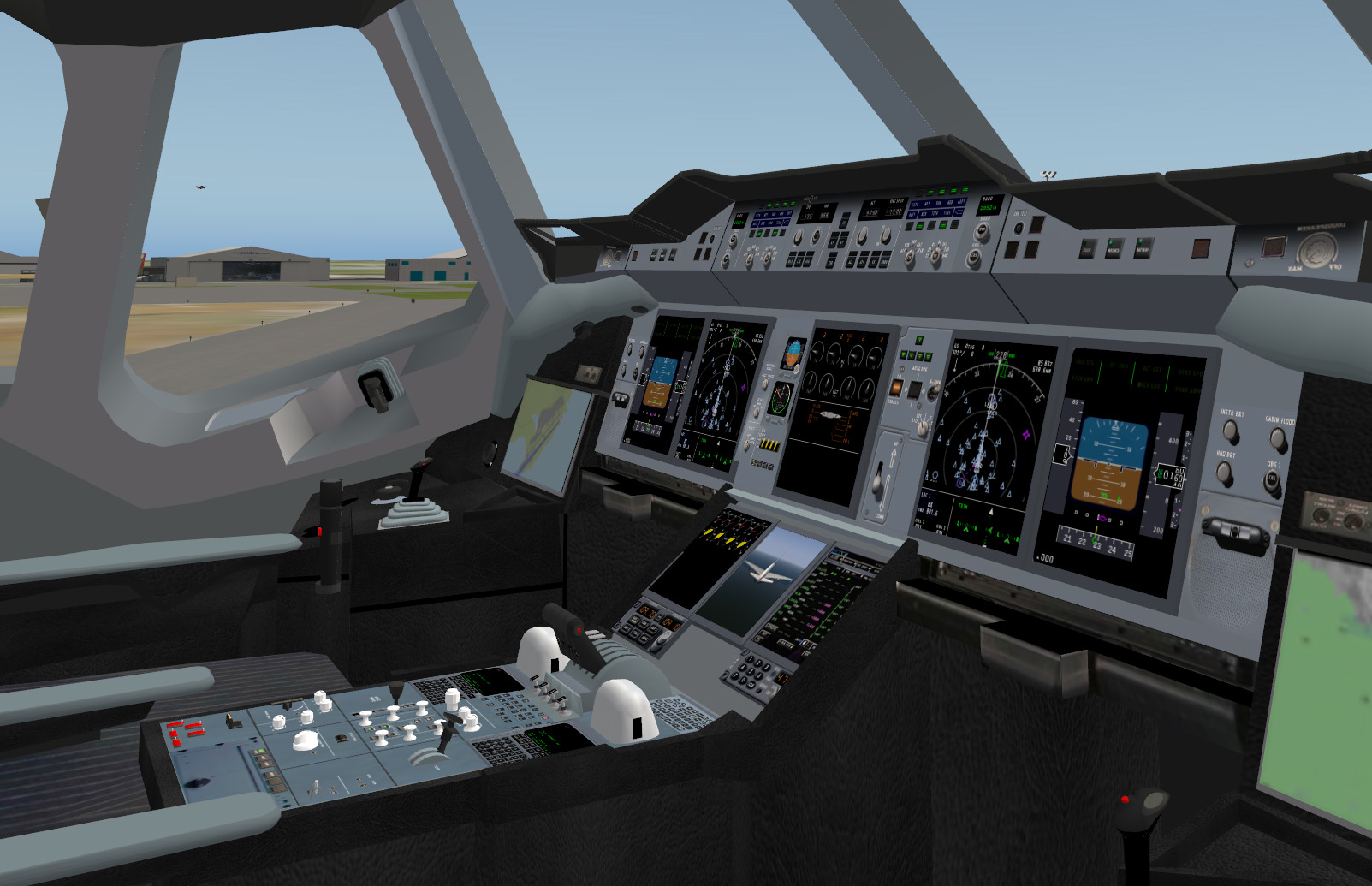
The second-place aircraft is the Airbus A380-800! Oh, finally, a free version of this giant has appeared, and it even includes a 3D cockpit! Many friends like it, and I’m sure you won’t want to miss it.
-thumb-640x413.png)
-
Introduction to the Blog of Veteran Flight Simulation Enthusiast Fly Pig Club
In the world of the flight simulator X-Plane 10, I generally grab the charts I have on hand, pick a familiar place, and go for a leisure flight; or use the X-Plane world terrain to take an aerial tour before or after traveling to a location; or fly over for a stroll after seeing a scenic spot introduced on TV or a website.
The aircraft I mainly use are the Piper PA-28 and Cessna 152. Basically, over 98% of the time, I fly single-engine piston propeller planes for VFR flights. I observe the terrain using pilotage while looking for the next Waypoint, just strolling around leisurely. If there are too many clouds to see the ground, I refer to the VOR or similar instruments; anyway, I don’t do much IFR.
-
Hong Kong Airport Weather during Typhoon VHHH METAR
Yesterday, Typhoon “Usagi” struck Hong Kong. All takeoffs were suspended starting from 6:00 PM, and landings stopped after 7:00 PM. A total of 370 flights were canceled during the day, leaving the Runway in silence. What did the METAR routine aviation weather report look like at this time?
Let’s first look at the weather at 18:00 yesterday:
221100Z 31030KT 7000 -SHRA FEW015 SCT025 27/24 Q0990 TEMPO 3500 SHRAWind speed exceeded 55 km/h, which is indeed quite strong; Visibility was 7 km, moderate; rain showers, but the volume wasn’t heavy; cloud cover wasn’t too extensive; temperature was 27°C, dew point 24°C, indicating extremely high air humidity; pressure was 990 hPa, clearly a low-pressure system.
-
Ceilometer
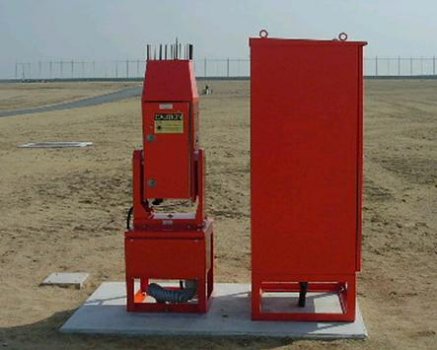
In aviation meteorology, the Ceiling is a crucial piece of data. Measuring the cloud base height is of great significance for flight safety. This blog previously introduced the restrictions on cloud base height under flight rules in the past article MVFR and LIFR. The article Summary of METAR Aviation Routine Weather Report Format also summarized how to obtain current meteorological data. But how is this data actually measured?
The instrument used to measure this data is called a Ceilometer. In Japanese, it is known as 雲高計(うんこうけい)、雲底計(うんていけい)、雲高測定器(うんこうそくていき), or シーロメータ. In Chinese, it can be translated as 云高仪, 测云仪, 云幂测量仪, 云幂仪, 云幕仪, etc. Its appearance is as follows:
-
List of Radio Navigation Facility Channel Numbers and Frequencies TACAN channels number
Each VOR/DME navigational facility uses different frequencies for the VOR and DME components, while a single channel number is used to define the facility. Therefore, knowing the number means you can identify the corresponding frequencies. (This channel number was originally defined by the military TACAN navigation system.)
Additionally, since knowing the VOR frequency allows you to determine the DME frequency, listing only the VOR frequency on en-route charts is sufficient.
-
Haneda-Hong Kong Route File RJTT_VHHH.fms
Based on the route information found in Cathay Pacific Flight CX543 Trip Report: Haneda to Hong Kong, I created a flight management file, RJTT_VHHH.fms. Since many of the waypoints are not defined in X-Plane, I looked up the latitude and longitude for each one using the Jeppesen charts iPad App and edited them into the file. The result looks like this:
I 3 version 33 33 1 RJTT 20.000000 35.548254 139.788554 13 LOCUP 4000 35.455228 139.935700 13 TAURA 12000 35.288092 139.751553 13 JYOGA 20000 35.146039 139.526350 13 SIOMI 36000 33.507725 136.099964 13 KEC 36000 33.447742 135.794494 13 KOSHI 36000 31.288503 129.964714 13 APU 36000 25.176944 121.522222 13 HLG 36000 24.559803 120.727178 13 MKG 36000 23.595444 119.637278 13 ELATO 36000 22.333334 117.500000 13 MAGOG 20000 22.288333 115.823333 13 FISHA 10000 22.288333 115.336667 13 ABBEY 7000 22.27 114.923333 13 HAMOK 5000 22.44 114.3 13 RIVER 4500 22.401667 114.181667 13 VH512 3500 22.381667 114.116667 13 VH514 2000 22.353333 114.031667 0 —- 0.000000 0.000000 0.000000 0 —- 0.000000 0.000000 0.000000 0 —- 0.000000 0.000000 0.000000 0 —- 0.000000 0.000000 0.000000 0 —- 0.000000 0.000000 0.000000 0 —- 0.000000 0.000000 0.000000 0 —- 0.000000 0.000000 0.000000 0 —- 0.000000 0.000000 0.000000 0 —- 0.000000 0.000000 0.000000 0 —- 0.000000 0.000000 0.000000 0 —- 0.000000 0.000000 0.000000 0 —- 0.000000 0.000000 0.000000 0 —- 0.000000 0.000000 0.000000
-
Nose Landing Gear of Several Aircraft Types
I haven’t really paid much attention to the shape of the landing gear before. Actually, looking at the nose landing gear is a good way to identify aircraft types, so here is a small summary of the shapes from various viewpoints.
1 Boeing 747-400 Front
 Right Front
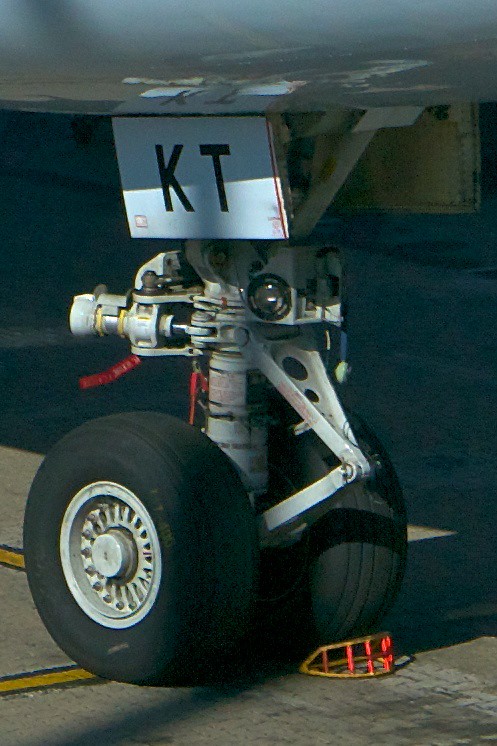 Right Rear
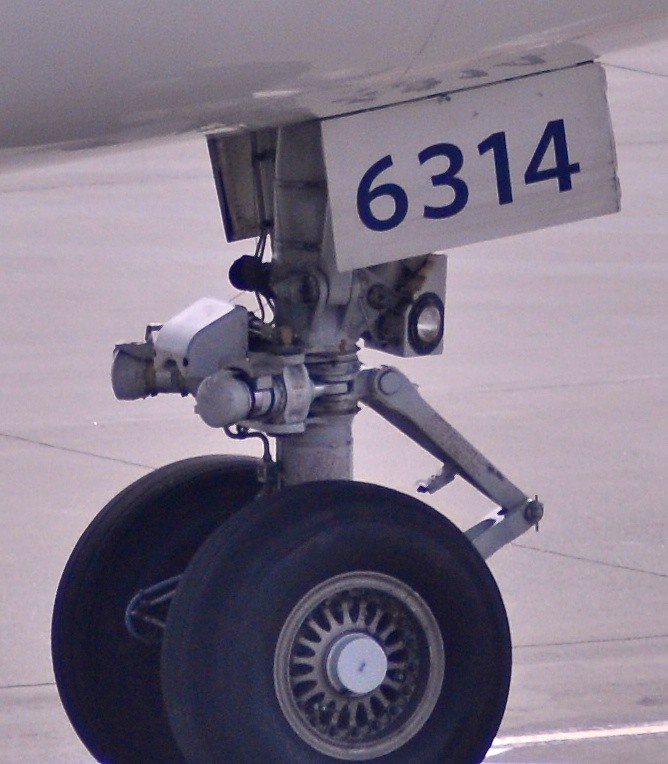
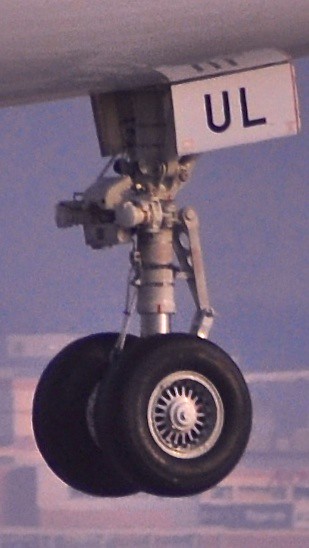 Left Side
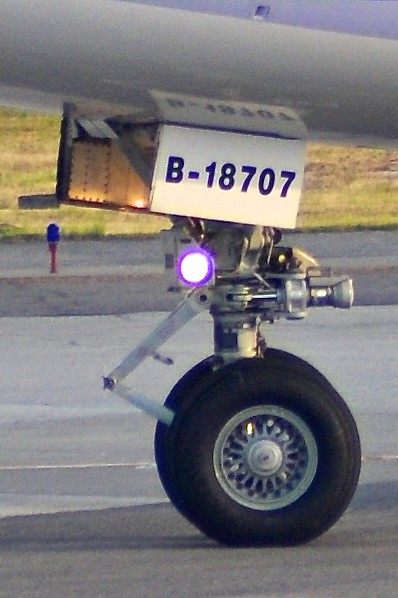 Right Side
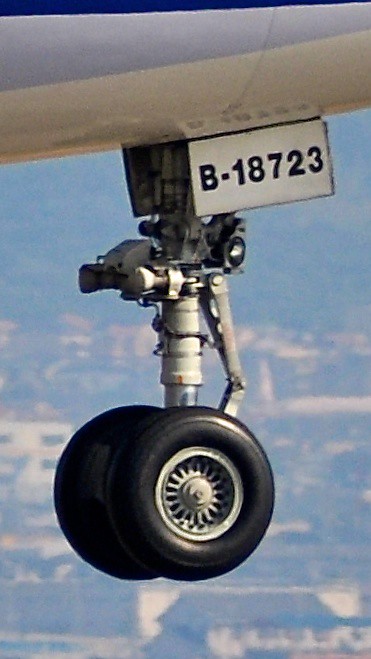
2 Boeing 777 Front

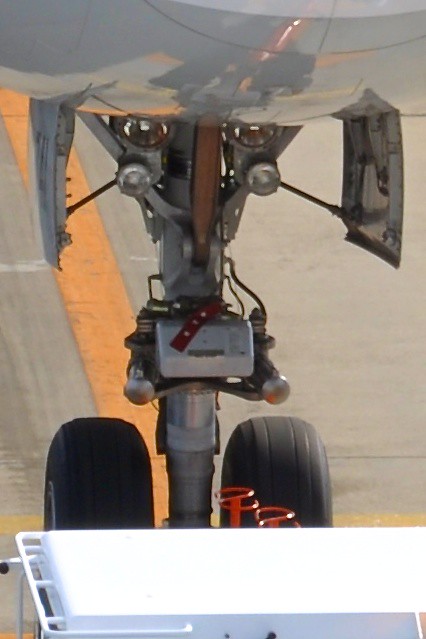 Left Front
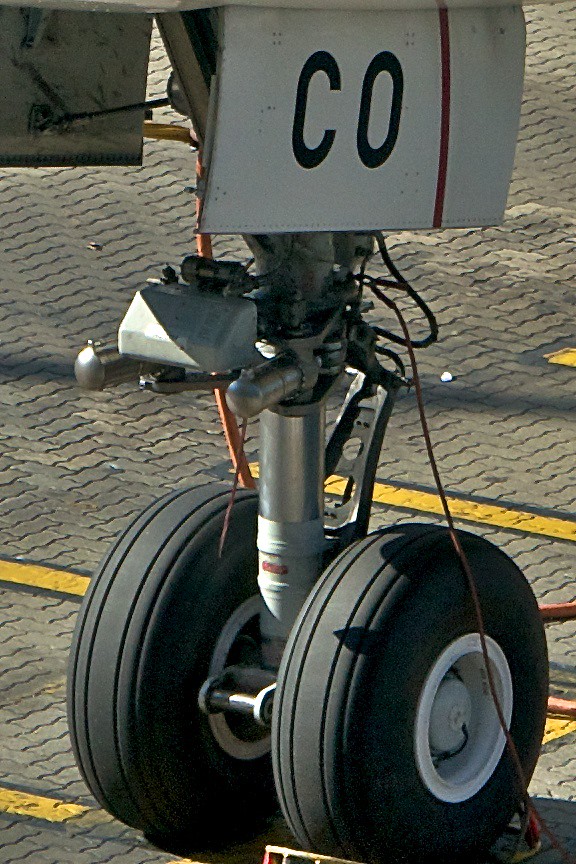 Right Front
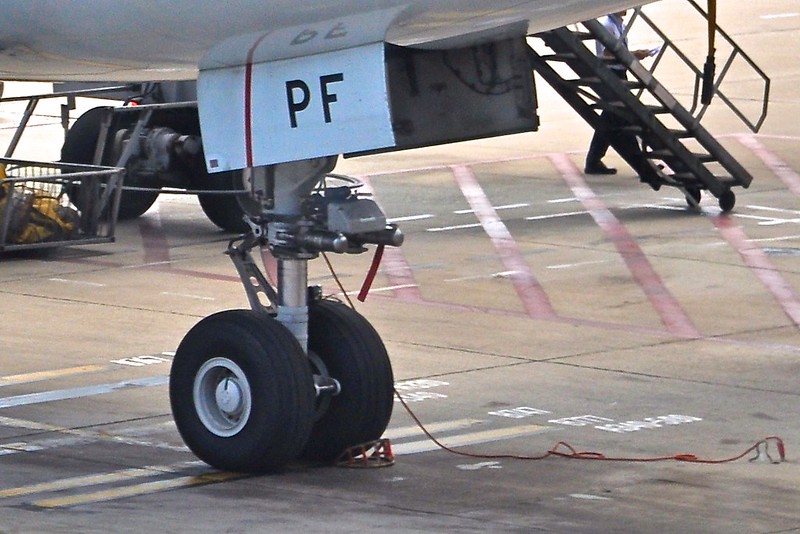
 Right Front Lower
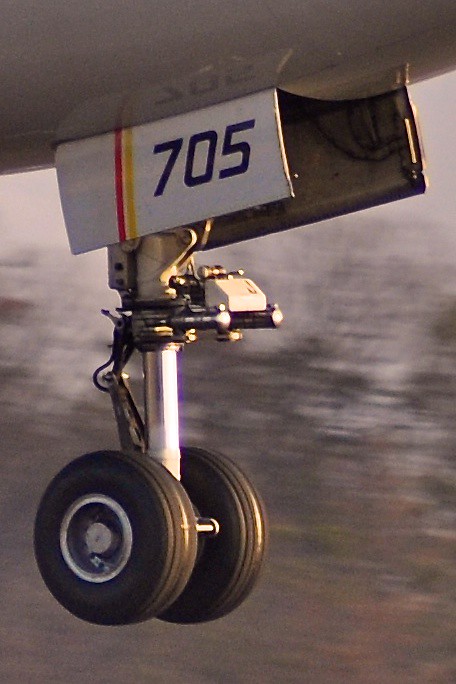 Left Side
 Right Side

3 Boeing 787 Left Front
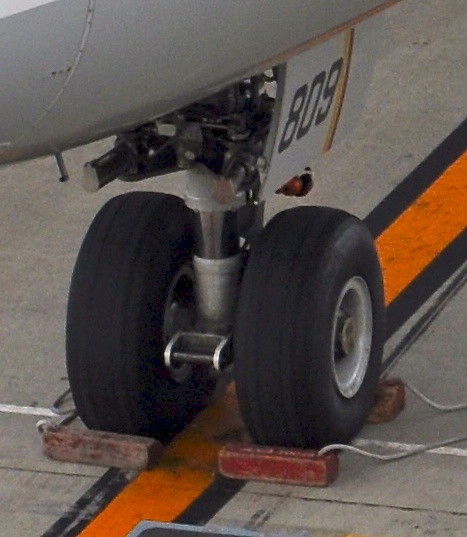
-
Most Popular Free Addons of August on x-plane.org
The most popular plugins for August have been released, and the quality of this month’s selection is very high. They are highly recommended. (Sorry for the lack of posts about X-Plane last month; I was on a business trip for more than half of the month.)
Best Aircraft
1 Eurocopter EC-135 by hili The EC135 is a twin-engine civil helicopter manufactured by Eurocopter SA. It is widely used in law enforcement and emergency medical services (EMS), as well as for transport missions. The EC135 has become the best-selling light twin-engine helicopter over the past decade.
-
Review of Cathay Pacific Flight CX543: Haneda to Hong Kong
One morning, I took Cathay Pacific Flight 543 to Hong Kong. Sitting in the rear left seat, I had great weather and took plenty of photos along the way, so let me share the experience here.
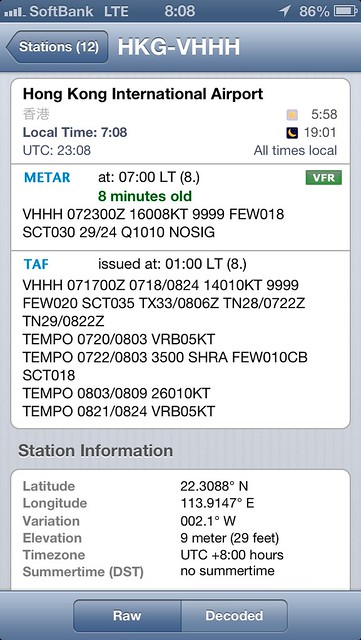
The weather on the day was few clouds and no wind at Haneda, with visibility over 10 km—perfect for travel.
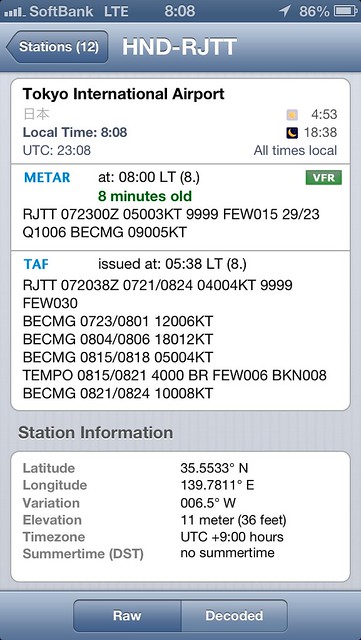 The weather at Hong Kong airport was quite similar, just with slightly more cloud cover. Lucky me.
 I also checked the high-level weather chart; there were no adverse conditions like strong winds.
 -
Weather Map Symbols
I recently read the Chinese version of the FAA Pilot’s Aviation Meteorology. I noticed that there isn’t much explanation about the weather charts themselves, so looking at the various symbols on the charts felt a bit like “viewing flowers in the fog” (puzzling).
After looking it up, I found the Japan Meteorological Agency’s Surface Weather Chart Symbol Explanation to be quite good. It’s hard to memorize all the symbols for cloud amount, cloud type, cloud height, smoke, rain, snow, hail, thunderstorms, etc., at once, so now I can check them whenever I need to.
-
A Taiwan Captain's Flight Guide (Personal Biography)
I stumbled upon a blog that appears to be the personal biography of a senior captain from Taiwan. It is titled 初學飛行者指南 (Guide for the Beginning Pilot). It has just started serialization and is constantly being updated.
Here is the introductory text from the site:
“For friends who have a special passion for aviation or plan to learn to fly in the future, we have carefully curated a long-form serialized novel based on a true story (Guide for the Beginning Pilot – tentative title) for you. You can learn from the protagonist’s valuable lessons before you even start your flight training.”