A Flight Sim Enthusiast's Notebook
-
All Nippon Airways Tokyo Haneda-Beijing Flight NH961 Trip Report Part 2
(Note: NH961 Flight boarding at Haneda Airport International Terminal. Haneda has 3 terminals, don’t go to the wrong one!)
Following the previous post, the flight is flying west over Tokyo. Downtown Tokyo is right beneath our feet, and some obvious landmarks, such as Tokyo Bay in the upper left corner, the Imperial Palace surrounded by a moat in the center left, Tokyo Dome in the lower center, the State Guest House and Roppongi in the center, and Meiji Jingu Shrine on the right, etc., are all clearly visible.

-
Carenado PA28 181 ARCHER II V3.2
I hadn’t noticed that Carenado’s X-Plane product line had been upgraded, after reading Aircraft Update : Carenado v3.1 X-Plane Fleet Overview, I immediately went to download it, only to find that the latest version of the PA28 181 ARCHER II is V3.2.
Compared to V3.0 from over a year ago, there don’t seem to be many visual improvements, the biggest surprise should be the addition of an autopilot. After adding xap/panels/2 to the keyboard customization, this window can be popped up,
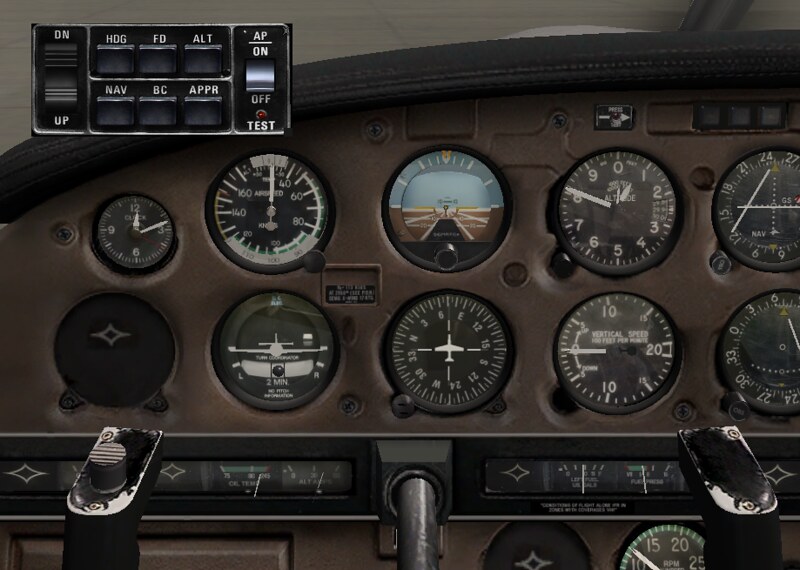 Although the functions are still very simple, it can at least perform automatic straight Level Flight,
making casual flying in the sky more enjoyable.
Although the functions are still very simple, it can at least perform automatic straight Level Flight,
making casual flying in the sky more enjoyable. -
A Visit to the JAL Safety Promotion Center
I have previously written notes on the JAL123 crash, and I was deeply impressed by this air disaster, which involved the largest number of fatalities on a single aircraft in aviation history.
To improve safety awareness among its employees, Japan Airlines (JAL) specifically established the Safety Promotion Center in the maintenance building at Haneda. They display wreckage from flight JL123, belongings of the passengers, etc., and it is open to the public for safety-related companies and individuals to visit.
-
Flying ANA Flight NH961 from Tokyo Haneda to Beijing (Part 1)
(Note: Flight NH961 boards at the International Terminal of Haneda Airport. Haneda Airport has 3 terminals, so don’t go to the wrong one!)
Taking advantage of the year-end holidays, I took an All Nippon Airways (ANA) Tokyo-Beijing flight NH961. It was quite a pleasant experience. Below is a summary of the entire process, mainly through photos.
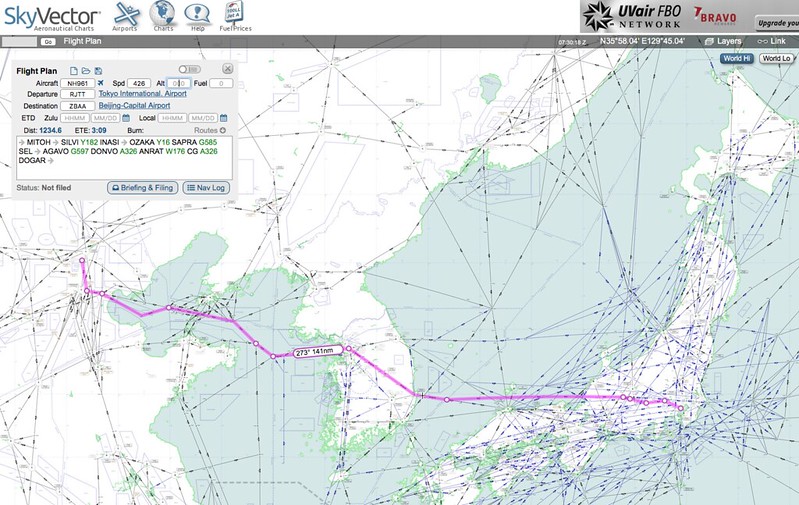
Early on, I checked the route on the AIP and drew it out on SkyVector.
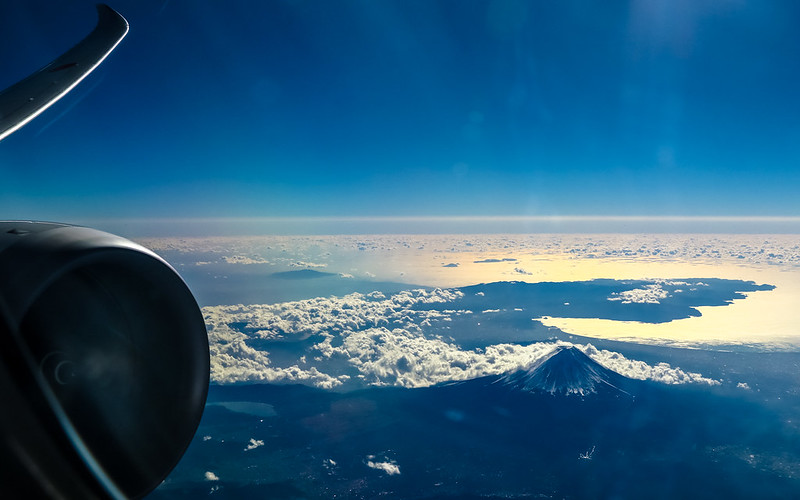
 Since I wanted to photograph downtown Tokyo and Mt. Fuji, I booked a window seat on the left side.
 -
X-Plane 10.45 Beta 1 Released
The official blog states that X-Plane 10.45 Beta 1 has been released. I haven’t had time to install and test it yet, but according to the release notes, there aren’t many new features; it’s mostly bug fixes. The main new features are as follows:
- This version adds another 722 new 3D airports, bringing the total number of free 3D airports to 2,432. However, looking at the list, there seem to be no changes for the East Asia region.
- Navigation data updated
- The vertical offset ratio in Extended Field of View can now be modified
A significant bug fix included is:
-
Revisiting LUXURY FLIGHT
I visited LUXURY FLIGHT again recently; you can find the record of my last visit here. My first visit was mainly out of curiosity to see how their hardware equipment was, and since there weren’t many customers at the time, chatting with the shop owner felt quite nice. This time, I wanted to use their equipment to practice manual flying, so I chose to fly for one hour each in the Baron B58 and the 737 NG simulators, practicing completely under manual control.
-
LFPO Closure Due to Windows 3.1 Failure
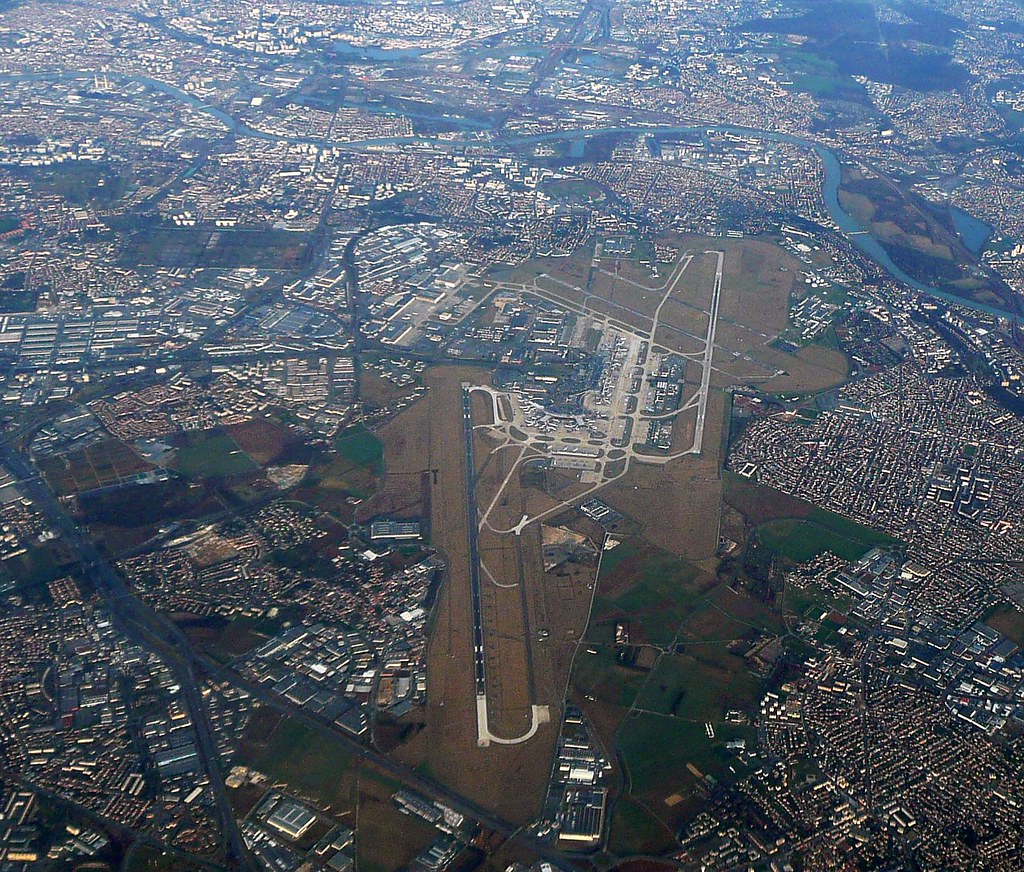
Located in the Paris suburbs, Paris Orly Airport (LFPO) is the second busiest airport in France. Surprisingly, its weather system is still running on Windows 3.1, software from over 20 years ago!
Orly Airport’s weather reporting system is called DECOR. On November 7th last month at 09:30, this system malfunctioned, preventing controllers from obtaining Runway Visual Range (RVR) data for pilots. At the time, there was dense fog surrounding the airport. Without RVR data, it is impossible to determine if takeoffs and landings are safe. Consequently, from 09:30 to 10:30, the airport was forced to close its runways, and 10 flights had to divert to Charles de Gaulle International Airport.
-
Practice Landing Using X-Plane's 3D Flight Path
I see people frequently asking how to practice ILS approaches, how to align with the navigation station, and questions about the glideslope. Actually, X-Plane has prepared a very thoughtful tool for players——the 3D Flight Path. As long as you enable this feature, ILS approach practice becomes very simple.
The usage is simple. In X-Plane 10, select “Cycle 3-D Flight-Path” from the Aircraft menu. In X-Plane 11, select X-Plane Menu –> View –> “Cycle 3-D Flight Path”.
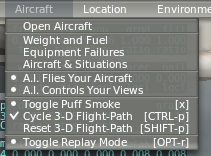 Then tune the NAV1 frequency to the ILS frequency of the Runway.
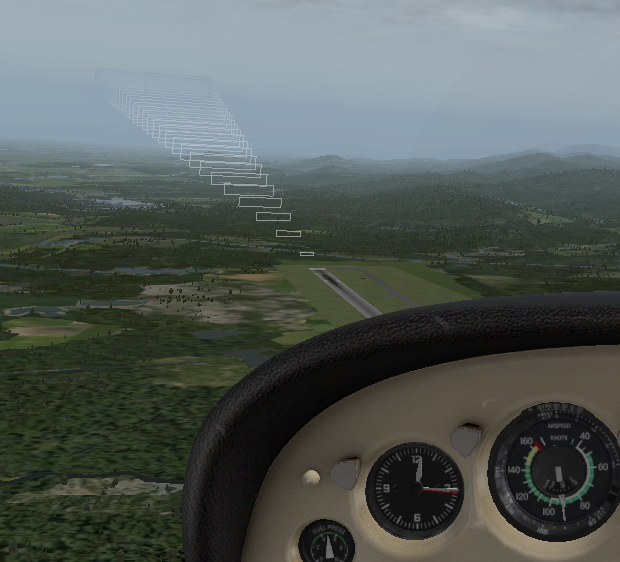
Looking from the other side of the Runway, X-Plane draws a schematic of the descent path in the air based on the ILS signal.
Then tune the NAV1 frequency to the ILS frequency of the Runway.
Looking from the other side of the Runway, X-Plane draws a schematic of the descent path in the air based on the ILS signal.
-
Landing Gear Override Trigger
Take a look at FlightDeck Solutions’ B737NG Landing Gear Lever. The product is crafted with great precision, including this red Landing Gear Override Trigger:
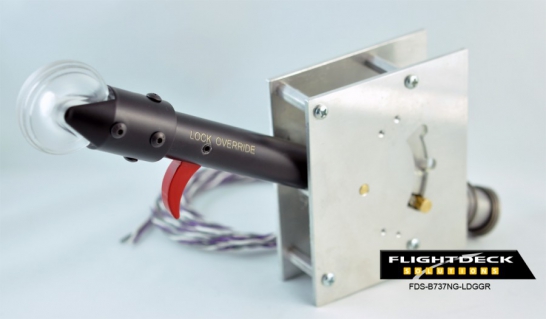 Of course, in the world of flight simulation, this Override Trigger is just a cosmetic piece and doesn’t actually work.
So, what is its purpose in reality?
Of course, in the world of flight simulation, this Override Trigger is just a cosmetic piece and doesn’t actually work.
So, what is its purpose in reality?Below is an excerpt from the textbook “Turbine Engine Aircraft Structure and Systems”.
When the landing gear lever is in the “UP”, “DOWN”, or “OFF” position, there are detents to secure it, preventing the landing gear from being retracted due to accidental contact. In the air, the pilot must pull the lever out to move it.
-
Introduction Video for Anabatic Simulation and LUXURY FLIGHT Simulators
The breakthrough for me in the flight simulation field this year was getting hands-on with some large-scale simulators. Such as the real C172 modification at Anabatic Simulation in Kyoto, the A320 FBPT at JFlight in Yokohama, the 737 FBPT at LUXURY FLIGHT near Haneda, and some non-public ones. In short, it was a real eye-opener.
The simulators introduced on this blog are high quality, and the shop owners are very professional, so I highly recommend everyone give them a try. This morning, I stumbled upon some great introduction videos (in Japanese) on YouTube. They were produced by some very professional flight simulation enthusiasts (apparently working at the company that develops the “I am an Air Traffic Controller” game series). The system introductions are easier to understand, so I’m sharing them here.
-
Special Departure Frequencies: A Look at China's Aviation Safety Reporting System SCASS
Reviewing the terminology one last time against the provided tables.
- 离场 - Used Departure.
- 频率 - Used Frequency.
- 高度 - Used Altitude.
- 改平 - Used Level Off.
- 西离场 - Used West Departure.
- 离港程序 - Used Departure Procedure (SID is the code, Departure Procedure is the term).
- 情境意识 - Situational Awareness (Standard Aviation English).
- 特情 - Emergency / Abnormal Situation.
- 管制员 - Air Traffic Controller.
Everything looks solid.
One tiny detail: “离场时更换管制频率”. My translation: “Changing Control Frequency During Departure”. This is a noun phrase suitable for a title/link.
-
What is an Air Tug? -- Re-reading the Japan Aviation Safety Reporting System (JASR) Report
I took some time to look at the ASRS updates. The previous summary is here.
-
Waiting for pushback at Singapore Airport Ground notified: “Aircraft is cleared, but we are waiting AIR TUG.” The crew didn’t understand what “AIR TUG” was and interpreted it as waiting for another Airbus to pass. It turns out AIR TUG means tow tractor or pushback vehicle, but the crew had no idea, causing a misunderstanding. It seems that different countries have different names for many things; inconsistent terminology is a no-go.
-
-
Dazzling Airport Night Scenery
The weather is nice on the first day of the three-day weekend, so I came to Haneda Airport to challenge myself with some night photography. Since the Canon EF 100-400mm f/4.5-5.6L IS II USM Lens
has lateral image stabilization, I surprisingly managed to get stable shots handheld at 1/10s, which was a huge surprise.
Below are a few photos taken at the observation deck on the roof of Terminal 1.
-
X-Plane Abnormal Exit Issues on MacOS
This issue has been around for a while. My friend pigaFly even asked about it previously: when selecting a different aircraft model, X-Plane would unexpectedly quit. The cause was not found for a long time, but fortunately, the official blog provided a solution yesterday—just upgrade the SASL plugin in the aircraft files.
The specific method is to download the latest version from the SASL website; for example, the current version is SASL-v2.4.0, which provides the SASL compressed file. Then locate the SASL plugin directory within the aircraft, such as
./Aircraft/General Aviation/Carenado PA28 Archer II v3/plugins/sasl. After overwriting the old version with the latest version, this issue is resolved. -
Let's Check the Domestic Content Ratio of the MRJ
In modern aircraft design and manufacturing, it is standard practice to select required products from major component suppliers and integrate hundreds of thousands to millions of components. A 100% domestic production rate is completely unnecessary; just look at the example of the MRJ.

Components Parts Region Supplier Location Partner Slats, Flaps, Fairing, Rudder, Elevator, Aileron, Spoiler Slats, Flaps,
Belly Fairing, Rudder,Elevator, Aileron, SpoilersTaiwan Aerospace Industrial Development Corp. Taiwan AIDC Doors Doors Europe Airbus Helicopters Europe Airbus Helicopters Speakers, Communication Controllers, Handsets Speakers, Controllers, Handsets USA AvtechTyee USA AvtechTyee High Pressure Air Duct System High Pressure Duct France Daher Group France Daher Overhead Control Panel, Cockpit Control Panel Overhead Control Panel, Cockpit Control Panel USA Esterline Technologies USA Esterline Wiper System Wiper System France Falgayras France Falgayras Cabin Windows Cabin Windows UK GKN Aerospace UK GKN Aerospace Inertial Reference System Inertial Reference System USA Honeywell Aerospace USA Honeywell Cabin Lighting System Interior Lighting Japan Koito Manufacturing Japan Koito Tail Cone Fairing Tail Cone USA LMI Aerospace USA LMI Aerospace Airframe Structure and Flight Control Bearings Airframe Structure, Flight Control System Bearings Japan Minebea Japan Minebea Airframe Manufacturing Airframe Manufacturing Japan Mitsubishi Heavy Industries Japan Mitsubishi Heavy Industries Flight Control Actuation System Flight Control
Actuation SystemJapan Nabtesco Japan Nabtesco Hydraulic System Hydraulic System USA Parker Aerospace USA Parker Aerospace Cockpit Windshield Windshield USA PPG Aerospace USA PPG Aerospace Engine, APU Engine
Auxiliary Power UnitUSA Pratt & Whitney USA Pratt & Whitney Flight Instruments, Flight Control Computers, Pilot Control System, Horizontal Stabilizer Trim System Avionics,
Flight Control Computer,
Pilot Control System,
Horizontal Stabilizer
Trim SystemUSA Rockwell Collins USA Rockwell Collins Radome Radome France Saint-Gobain France SAINT-GOBAIN Low Pressure Air Duct System Low Pressure Duct UK Senior Aerospace BWT UK Senior Aerospace BWT Rack, Pinion Rack, Pinion Japan Shimadzu Corporation Japan Shimadzu Engine Pylon Pylon USA Spirit AeroSystems USA Spirit Aerosystms Landing Gear Landing Gear System Japan Sumitomo Precision Products Japan Sumitomo Precision Products Cabin Curtains, Carpets Cabin Floor Carpet, Curtains Japan Tatsumura Textile Japan Tatsumura Health Monitoring Unit Health Monitoring Unit USA Teledyne Controls USA Teledyne Controls Door Controller, Landing Gear Control Unit Door, Landing Gear Interface UK Ultra Electronics Controls UK Ultra Electronics Controls Air Conditioning, Explosion Proof, Power Supply, High Lift, Fire Protection, Lighting, Various Interior Equipment Air Conditioning System, Explosion Proof System,
Power System, High Lift System,
Fire Protection System, General Lighting,
Individual Equipment (Electrical/ Mechanical)USA UTC Aerospace Systems USA UTC Aerospace Systems Interior Equipment (including Galley/Lavatory), Waste/Water System, Economy Class Seats, Business Class Seats, Fuel System, Attendant Control Panel Interior (Galley, Lavatory included),
Waste/Water System, Economy Seats,
Premium Seats, Fuel System,
Attendant Control PanelFrance Zodiac Aerospace France Zodiac Aerospace Website, Spare Parts Selection Support, Airframe Monitoring Web Portal,
Spare Parts Selection Support,
Airframe Health Monitoring, etc.USA Boeing USA Boeing Training Simulator Training Canada CAE Canada CAE Manuals Manuals Sweden SAAB Group Sweden SAAB End
-
The Most Beautiful Small Piston Aircraft: Cobalt Co50 Valkyrie
I couldn’t believe my eyes when I saw the photo of this little plane. Is this really a civilian propeller plane? Looking at the exterior, it looks just like a stealth fighter!
Canard foreplane, twin vertical stabilizers, rear single-engine propeller, teardrop streamlined canopy, glass cockpit, side stick… It’s all too cool; I really can’t find more adjectives to express my feelings.
Please check out the 3D view of the Co50 on Cobalt’s official website here.

-
Global Flight Tracking (GFT)
The World Radiocommunication Conference (WRC), convened by the United Nations International Telecommunication Union (ITU), made a decision to set aside a dedicated radio frequency for satellite systems tracking aircraft flight paths.
The new regulations require civil aviation aircraft to emit a signal reporting their position at least once every 15 minutes, to be implemented by November 2016.
Influenced by the disappearance of Malaysia Airlines Flight MH370 last year, representatives from over 160 countries worldwide made the above decision at a meeting held in Geneva on November 11.
-
Mitsubishi Heavy Industries MRJ-200 Test Flight Successful
At 09:35 this morning, the MRJ-200 prototype, developed by Mitsubishi Heavy Industries and bearing registration number JA21MJ, successfully completed its maiden flight at Nagoya Airport. The aircraft obtained flight test permit from the government on October 29.
The flight test site was live-streamed on UStream. I happened to be on the subway using my iPhone to catch the moment of taxiing and takeoff, so I took screenshots as a memento. Since this was the maiden flight, the test objectives primarily focused on basic flight performance such as Climb, Descent, and left and right Turns. Therefore, the landing gear and Flaps remained in the extended position throughout the one-and-a-half-hour test flight. The maximum altitude reached during this flight was 15,000 feet, with a maximum speed of 150 knots.
-
Review of the ASA E6-B Flight Computer
Today is a holiday called “Culture Day”, and I’m resting at home. Recalling the discussion about flight computers during the LUXURY FLIGHT, I realized I’ve forgotten quite a bit about how to use them, so I decided to review the E6-B.
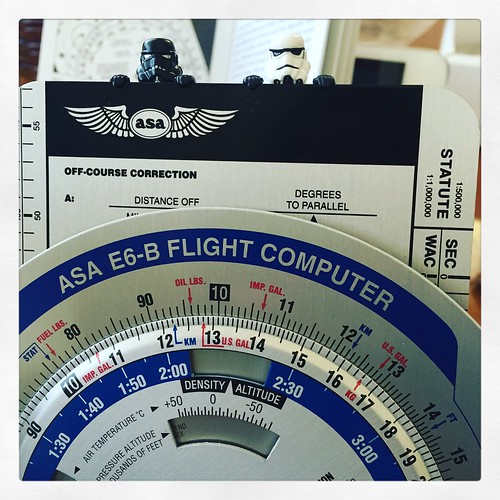
Specific usage instructions are available in this site’s repository, so I won’t go into detail here. <a href=https://yinlei.org/x-plane10/view1.php?file=doc/e6b-manual.pdf>Simplified Chinese version of ASA E6B Instructions English version of ASA E6B Instructions
-
Hawaii Air Tour 2015 (Real Flight)
It has been a busy week at work, with several days of overtime until 10 PM. So, to relax this weekend, I’m looking at some photos of the Hawaiian scenery taken a few months ago to relieve some physical fatigue.
The company I contacted for this flight is Noah Flying. Their main business is charter flights for commercial purposes and pilot training. To promote their services, they also conduct sightseeing flights, using a C172. The owner is Japanese, used to fly Boeing 737s for an airline, and later started his own company at Honolulu International Airport.