Airport Photography
-
Posting Old Photos 20 under the COVID-19 Pandemic: Mitsubishi Regional Jet MRJ
Continuing with the series of old photos posted during the COVID-19 pandemic, today I am posting the Mitsubishi Regional Jet (MRJ). All photos were taken at the Farnborough Airshow in 2018.
Detailed News: Mitsubishi Heavy Industries to Virtually Freeze Development of Domestic Regional Jet
[Kyodo News, October 22] Interviews with multiple related parties on the 22nd revealed that Japan's Mitsubishi Heavy Industries is making final coordination to drastically cut the R&D costs and personnel for its first domestic jet regional airliner, the "SpaceJet" (formerly MRJ), and to effectively freeze the project. The company believes that due to the impact of the novel coronavirus pandemic, demand from ordering airlines is currently hopeless to recover. Japan invested huge amounts of public and private funds in a bid to launch its first domestic passenger jet in about half a century, but missed delivery deadlines 6 times due to lack of experience and technology. The national industrial policy may also suffer a huge blow.

-
Haneda Innovation City
It’s been a long, long time since I came out to spot planes. The pandemic hadn’t improved much, and the weather was constantly gloomy, so I barely touched my camera for a whole 4 months.
Today the weather finally cleared up, so I made a special trip to HANEDA INNOVATION CITY, a new spot at Haneda Airport, to check it out.
HANEDA INNOVATION CITY is a commercial complex that just opened a few months ago. It features facilities like restaurants and a concert hall, and is located right next to the west side of Haneda Airport. On the roof of the 2nd floor, there is an observation deck where you can see the International Terminal and the cargo/business jet Apron up close.
-
British Airways Retires All Boeing 747 Aircraft Early, Posting Photos to Commemorate
COVID19 has had a catastrophic impact on the global aviation industry. The Boeing 747, deeply loved by aviation enthusiasts, could no longer withstand the strain. Airlines such as Qantas, British Airways, KLM, and Virgin Atlantic have successively announced the retirement of their Boeing 747 fleets. For example, this news: All British Airways Boeing 747 passenger aircraft retired early
British Airways announced on the 17th that due to the COVID-19 pandemic severely impacting the international aviation industry, superjumbo jets have no role to play, and it is preparing to retire its entire fleet of 31 Boeing 747 aircraft.
British Airways said in a statement sent to AFP: “It is with a heavy heart that we confirm we are proposing to retire our entire 747 fleet with immediate effect. Due to the drastic downturn in global travel demand caused by the COVID-19 pandemic, it is unlikely that our magnificent ‘Queen of the Skies’ will ever again provide commercial service for British Airways.”
-
Old Photo Share #19: J-10B Fighter amidst the COVID-19 Pandemic
Staying at home as much as possible during the COVID-19 pandemic, I had nothing better to do than restore some old photos.
Today, here are a few shots of the J-10B fighter from the Zhuhai Airshow.
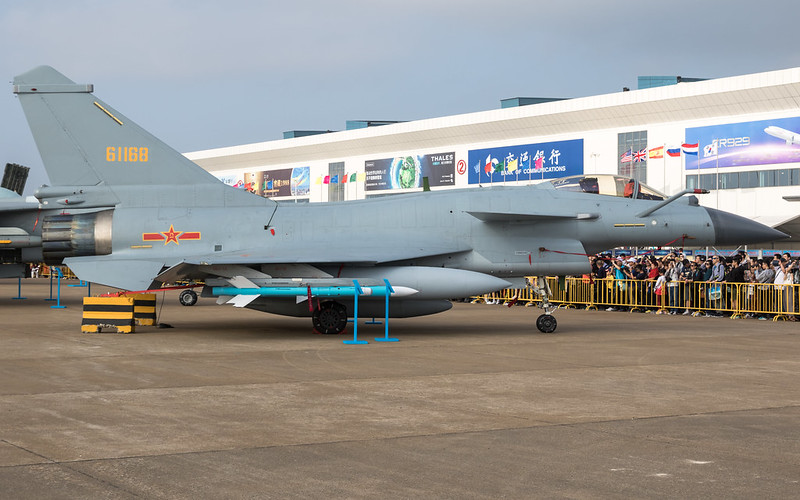


The J-10 (designation J-10; official Chinese name: Meng Long; NATO reporting name: Firebird) is a single-engine, all-weather, multirole fourth-generation fighter featuring a canard aerodynamic layout. It was developed and produced by the Chengdu Aircraft Industry Group for the People's Liberation Army Air Force.
The J-10 utilizes a close-coupled canard layout with delta wings and delta canards. The main wing is a mid-mounted delta wing equipped with maneuvering leading-edge flaps. The cropped delta canards are located on the fuselage above the air intake. A rectangular air intake with a boundary layer splitter is situated on the ventral side of the fuselage. The aircraft features a bubble canopy, a smooth transition between the wing and fuselage, and a rear fuselage that houses the engine. It employs a single vertical tail stabilizer and two smaller, outward-angled ventral fins.
-
Throwback to NH90 Helicopter
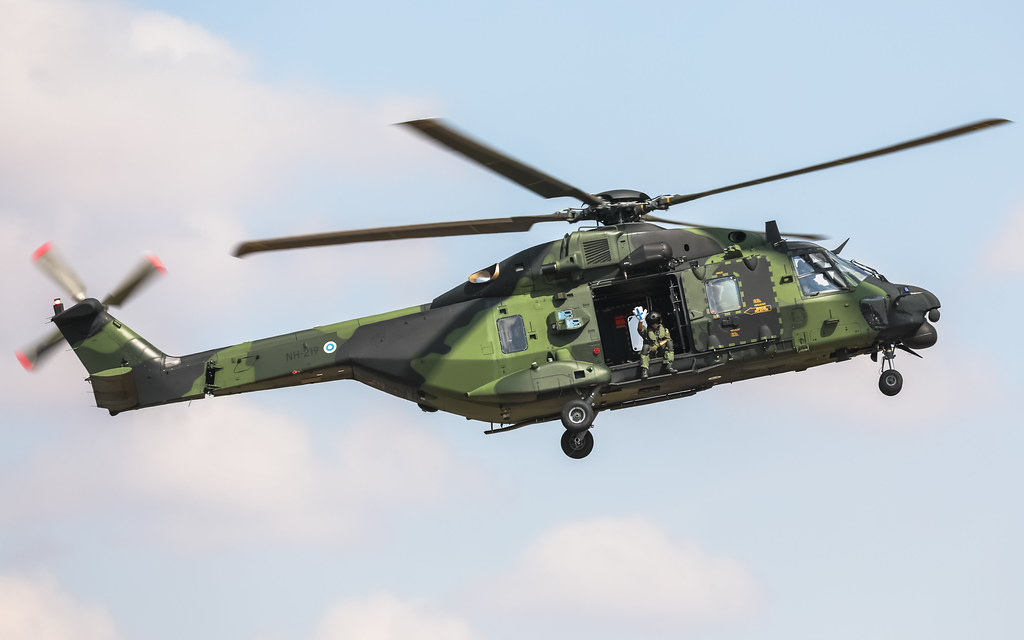
Stuck at home during the COVID-19 pandemic with nowhere to go, I’ve had to pass the time by retouching old photos. Continuing with photos from the airshow, here is the NHIndustries NH90 helicopter.
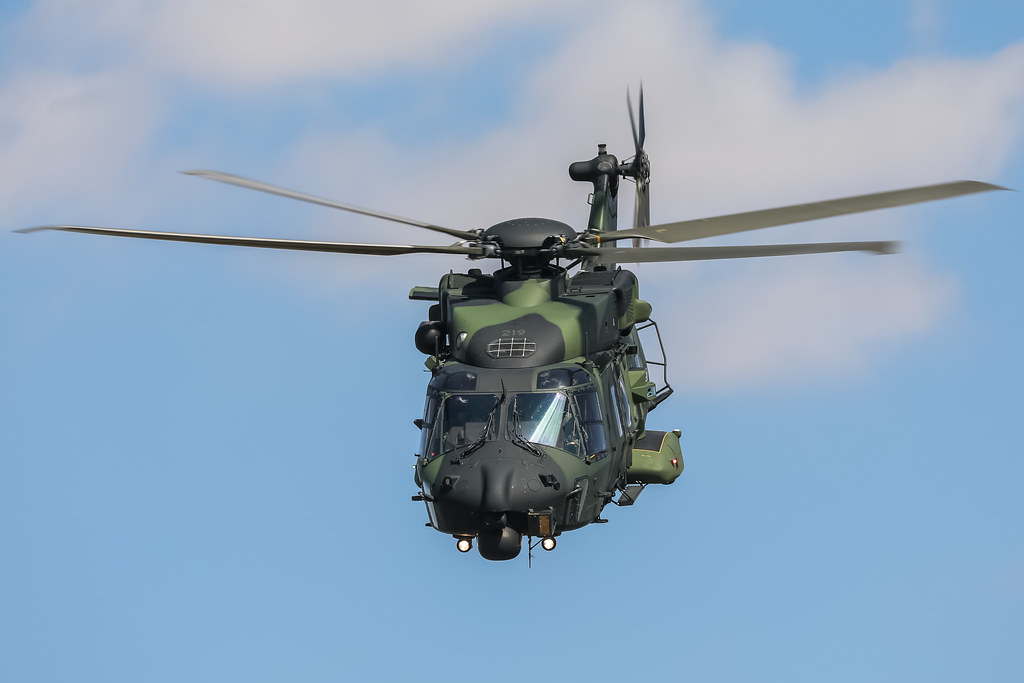 (Forgot to change the shutter speed again…)
The NHIndustries NH90 is a medium-sized, twin-engine utility helicopter; it was developed to meet NATO's requirements for a battlefield helicopter while also possessing naval operation capabilities. The NH90 is developed by NHIndustries, a company jointly owned by Airbus Helicopters, Leonardo (formerly AgustaWestland), and Fokker. The NH90 first flew in December 1995 and entered service in 2007. As of July 2019, the NH90 is in service in 13 countries with over 185,000 flight hours.
The NH90 is the first production helicopter to feature full Fly-by-Wire (FBW) controls and comes in two main variants: the Tactical Transport Helicopter (TTH) and the navalised NATO Frigate Helicopter (NFH). Nations typically modify their NH90s to varying degrees to meet specific requirements. Due to frequent issues during its early service, some countries have delayed the deployment of the NH90.
-
Old Photos Released Amidst COVID-19 Pandemic 17: Dassault Rafale Fighter Jet
Staying at home as much as possible during the COVID-19 pandemic, I was bored and had nothing better to do than restore some old photos at home. Continuing to post photos from the tattoo show, Rafale fighter jet

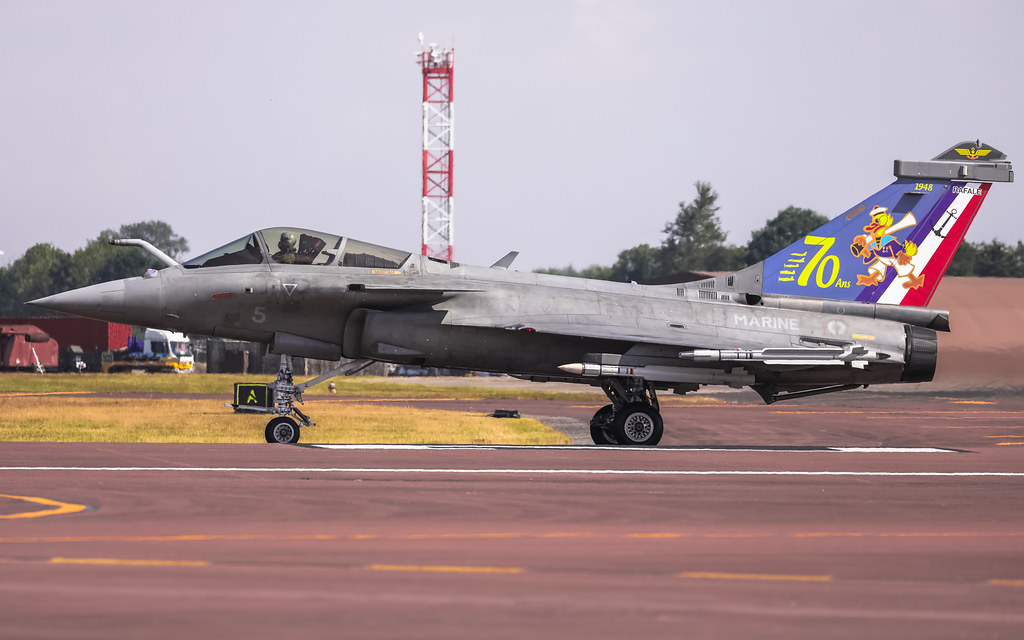

The Rafale is a twin-engine, delta-wing, high-agility multirole fighter developed and built by the French company Dassault Aviation; in the 1970s, the French Air Force and Navy sought new aircraft as successors. To reduce costs, France attempted to join the European Fighter program and develop it jointly with other countries, but due to excessive differences in requirements for the fighter's functions, France ultimately decided to develop it independently. Finally, Dassault developed the Rafale prototype, with its avionics and aerodynamic shape optimized for its role as an air superiority fighter.
The earliest produced Rafale fighter models were: Rafale C, a single-seat fighter for the French Air Force Rafale B, a two-seat fighter for the French Air Force Rafale M, a single-seat fighter for the French Navy (equipped with a large landing tail hook between the engines)
-
Posting old photos under the COVID-19 pandemic 16 Mirage 2000D fighter
During the COVID-19 pandemic, I tried to stay at home as much as possible. To kill time, I ended up restoring some old photos. Continuing with photos from the airshow, the Mirage 2000 Fighter

The Mirage 2000 is a fourth-generation fighter developed by the French company Dassault. It is a multirole fighter featuring a delta wing design without horizontal tailplanes and a single-engine configuration. Currently, it is in service with 8 countries and regions, including France, India, and Taiwan.
The Mirage 2000 is equipped with 2 DEFA 30mm cannons on the fuselage and has 9 hardpoints for carrying various weapons, including air-to-air missiles, air-to-ground missiles, and anti-ship missiles.
-
Posting Old Photos 15: Typhoon Fighter Amidst the COVID-19 Pandemic
Due to the COVID-19 pandemic, I tried to stay at home as much as possible. To kill time, I ended up restoring old photos. Continuing with photos from the airshow, the Eurofighter Typhoon.

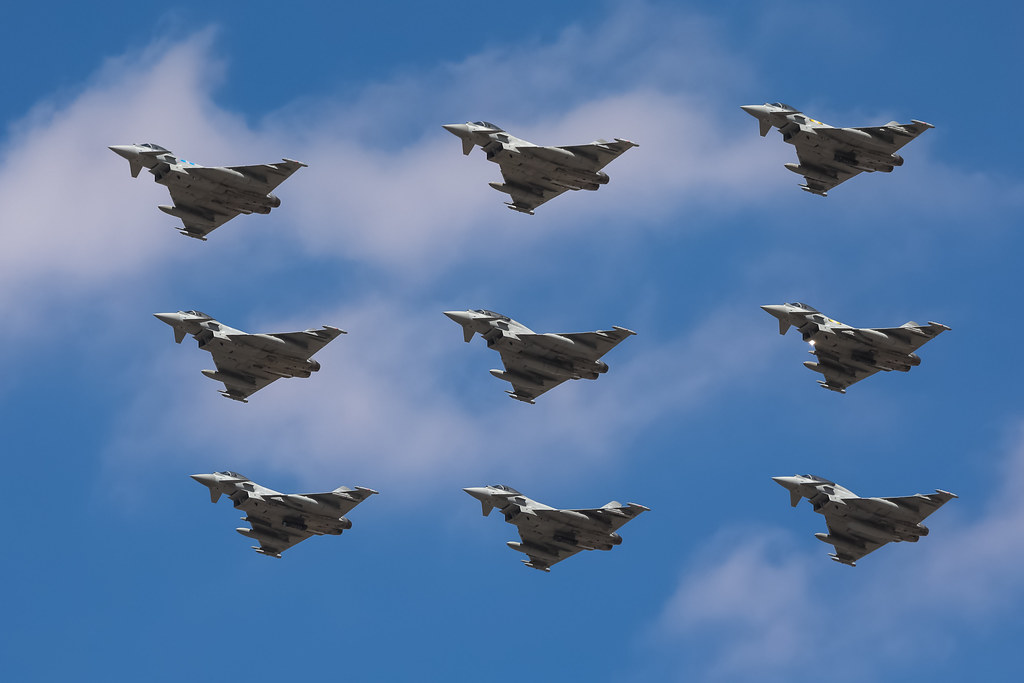
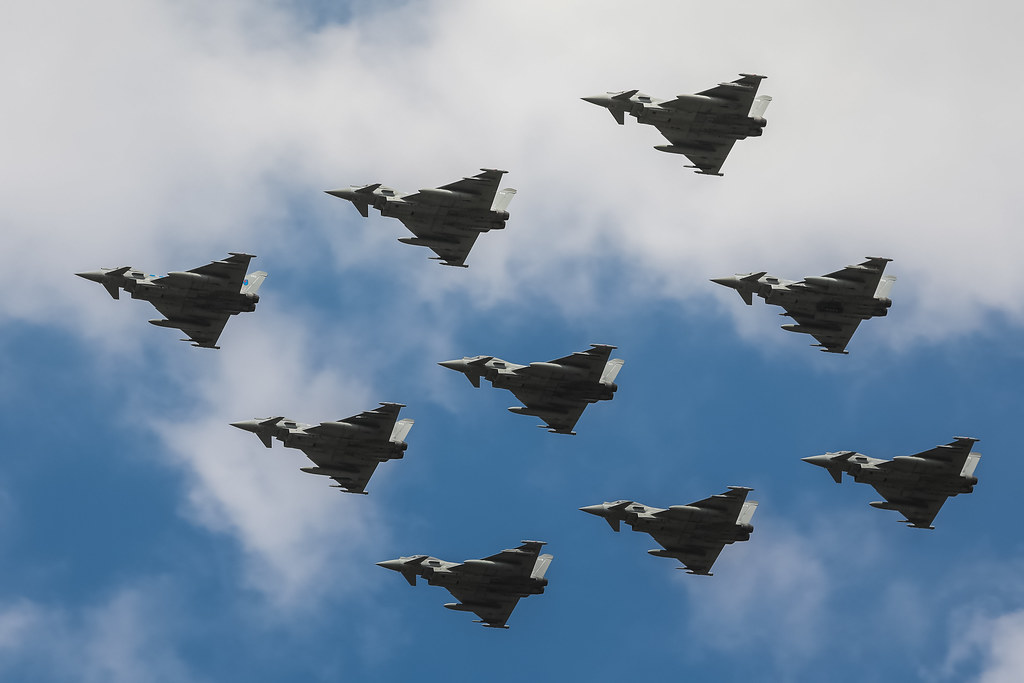
The Eurofighter Typhoon (often referred to as the EF-2000) is a twin-engine, multirole fighter featuring a canard delta wing configuration. Eurofighter GmbH, the consortium responsible for design and production, was formed by several European aerospace companies in 1986, though the related development program began as early as 1979.
The significance of the European Eurofighter program extends beyond the military realm to the political sphere. It marked the first time a group of more than two nations integrated resources from the R&D phase for a weapons project. It also served as a symbolic driver for the path to European integration. When the Typhoon entered service in various countries, it became a media event for European unity. Before even seeing combat, the Typhoon had already won a conceptual victory, transcending national borders.
-
Throwback Photos: JAS-39C Gripen Fighter Jet
With the COVID-19 pandemic going on, I’ve been trying to stay indoors. To kill the boredom, I’ve been spending my time restoring old photos at home.
Today, I’m sharing the JAS-39C Gripen fighter jet.
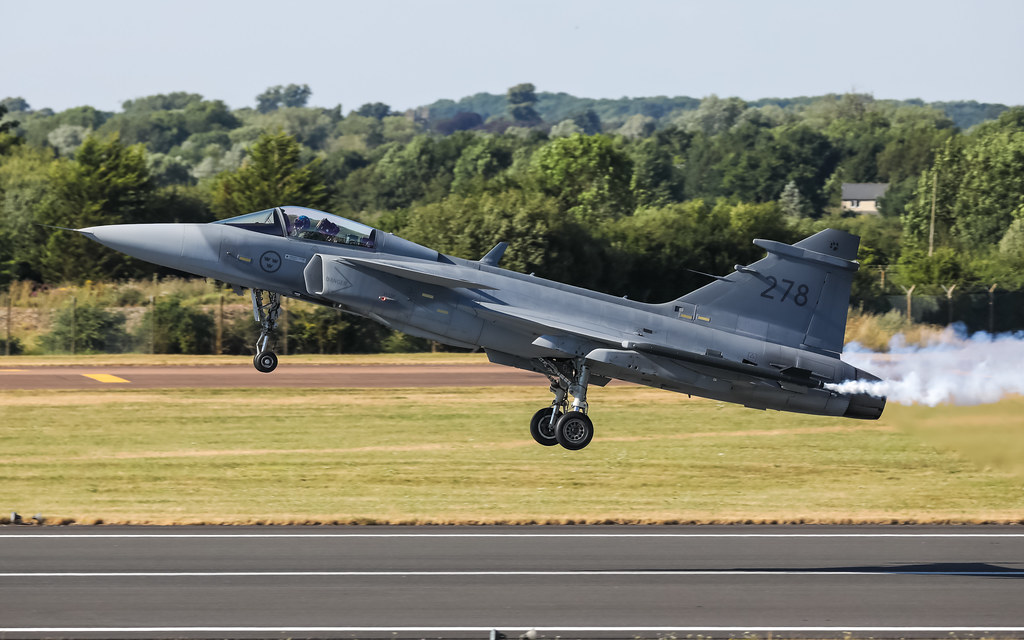
The JAS 39 "Gripen" is a fourth-generation fighter developed by the Swedish Saab Group. The JAS 39 is characterized by its multi-role capability and high adaptability, which relies on the combination of advanced technology and effective ergonomics. Its lightweight yet sturdy structure (incorporating 25% composite materials), delta wing design, artificially stabilized and all-weather fly-by-wire flight controls, RM12 engine (GE F404 variant) with afterburner, high-performance lightweight radar, and other systems are all integrated in a way that is suitable for pilot operation.
The “JAS” in JAS-39 stands for Jakt (Air Combat), Attack (Ground Attack), and Spaning (Reconnaissance) in Swedish. As seen from the text above, the JAS 39 is a Multirole Aircraft capable of combat, attack, and reconnaissance. It is classified as a lightweight fighter, balancing range with operational flexibility, high efficiency, and cost-effectiveness. It is the aircraft selected by the Swedish Air Force to replace the Saab 37 Viggen.
-
Old Photos Series #13: Airbus A400M amid the COVID-19 Pandemic
Staying at home as much as possible during the COVID-19 pandemic, I was bored out of my mind, so I had to fix some old photos at home. The C-17 and Y-20 have already been introduced, so naturally, it’s time to post photos of the Airbus A400M.
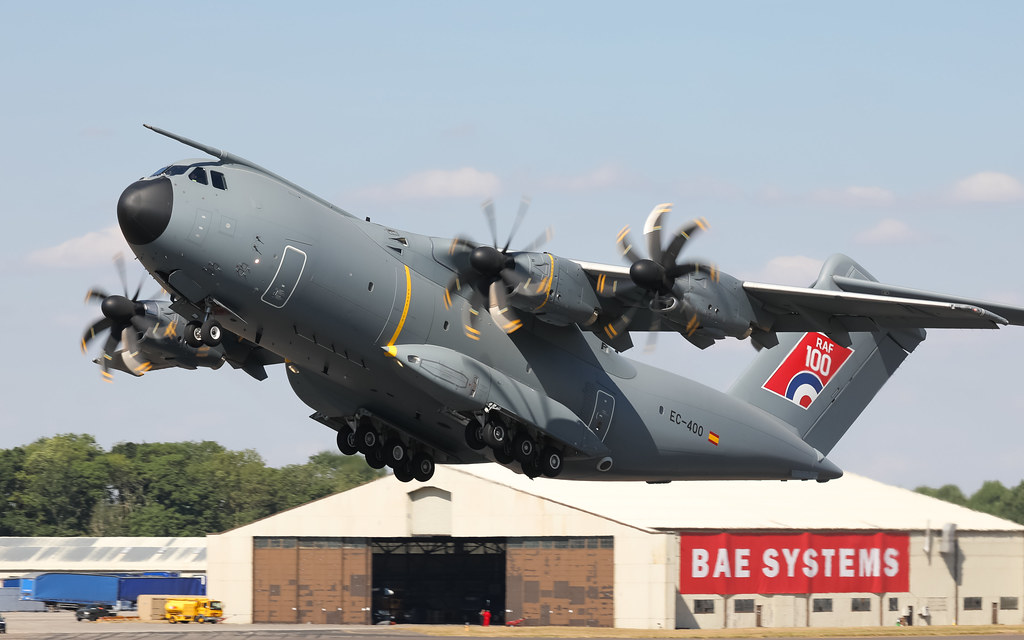
Honestly, the A400M’s air display is much more impressive than the C-17 and Y-20; highly recommended. (Shutter speed too short, slight error)

-
Throwback: C-17 Globemaster III Transport Aircraft
Due to the COVID-19 pandemic, I tried not to go out and had to stay home out of boredom, restoring old photos. After posting the Y-20, it’s natural to post about the C-17 transport aircraft.
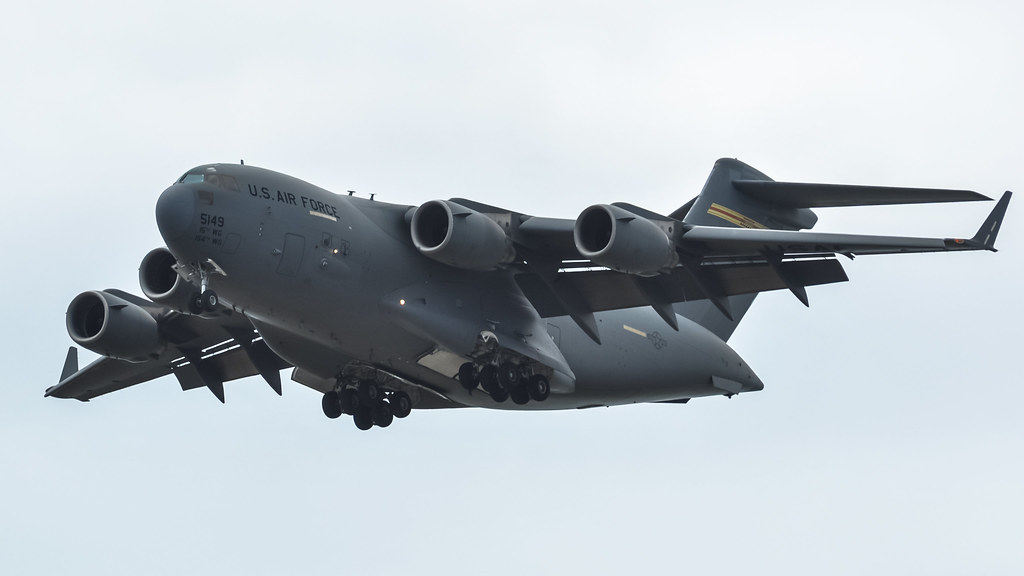

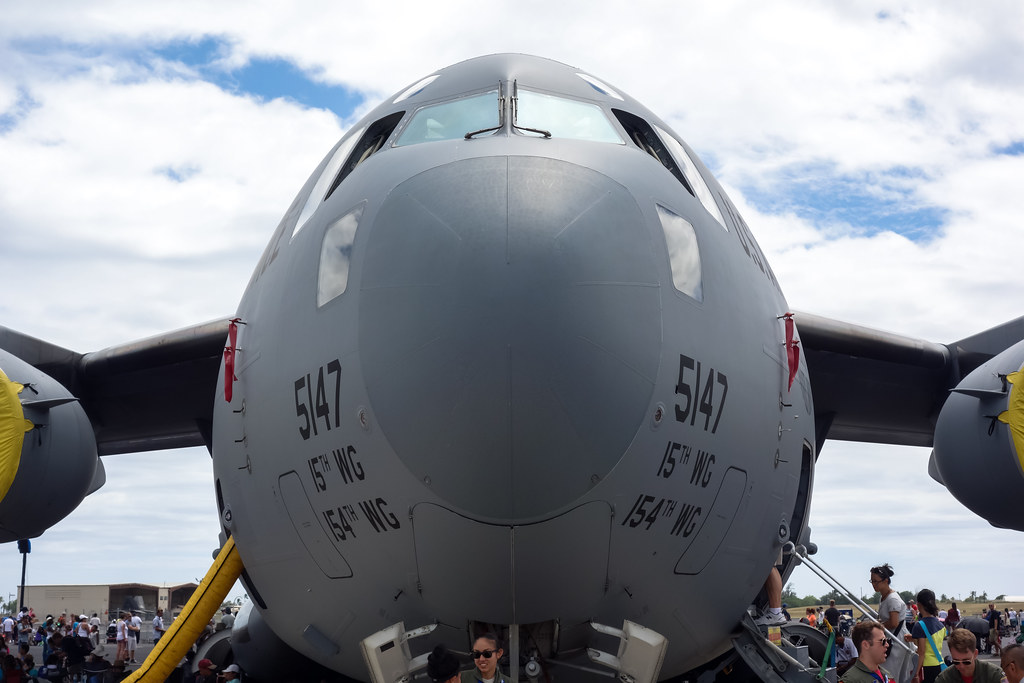
The C-17 "Globemaster III" is a strategic military transport aircraft developed and produced for the U.S. Air Force by the American company McDonnell Douglas (now Boeing). It is a short-field takeoff and landing military transport aircraft that combines both strategic and tactical airlift capabilities. In addition to the U.S. Air Force, the C-17 is also operated by the United Kingdom, Australia, Canada, Qatar, the United Arab Emirates, Kuwait, India, and NATO's Heavy Airlift Wing.
The C-17 Globemaster III is the newest transport aircraft in the U.S. military. Its most significant technical challenge lies in the requirement for high flexibility; it must be an exceptional military transport aircraft in terms of both strategic and tactical requirements to adapt to the rapid deployment of troops to major military bases or directly to forward bases as strategic transport. When necessary, it is also capable of performing first-line field tactical transport and large-scale airdrop missions.
-
Old Photo 11: F-22 Raptor released during the COVID-19 pandemic
Staying at home as much as possible during the COVID-19 pandemic, I had nothing better to do than repair some old photos.
I previously posted about the F-35, so today I’ll post about the F-22 Raptor.


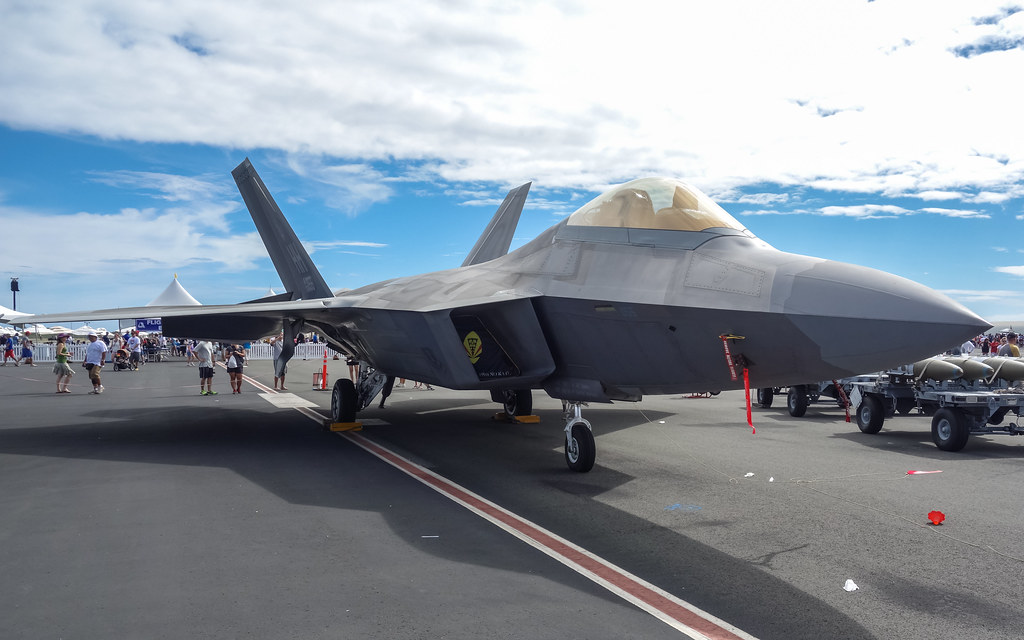
The F-22 "Raptor" is the world's first single-seat, twin-engine, fifth-generation stealth fighter. Its primary mission is to gain and maintain air superiority in the theater of operations. Additional missions include ground attack, electronic warfare, and signals intelligence.
The F-22 entered service with the United States Air Force in 2005, designed to replace the previous generation’s primary fighter, the F-15.
-
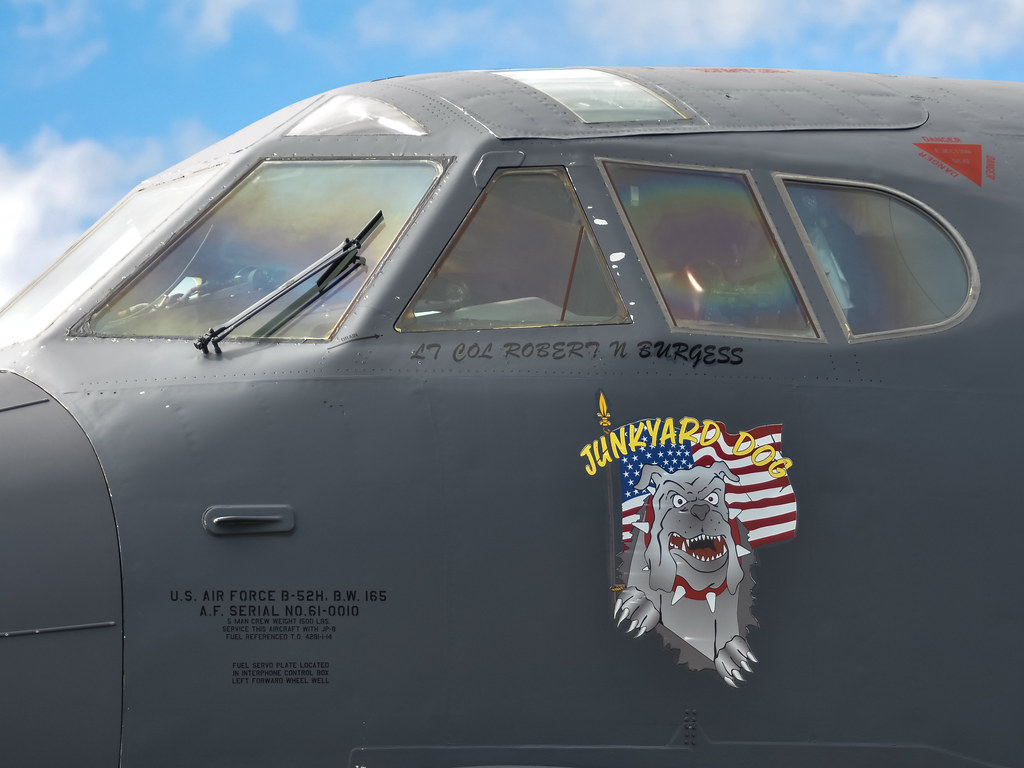
Throwing Back to Old Photos During the COVID-19 Pandemic: 10 B-52 Stratofortress Bombers
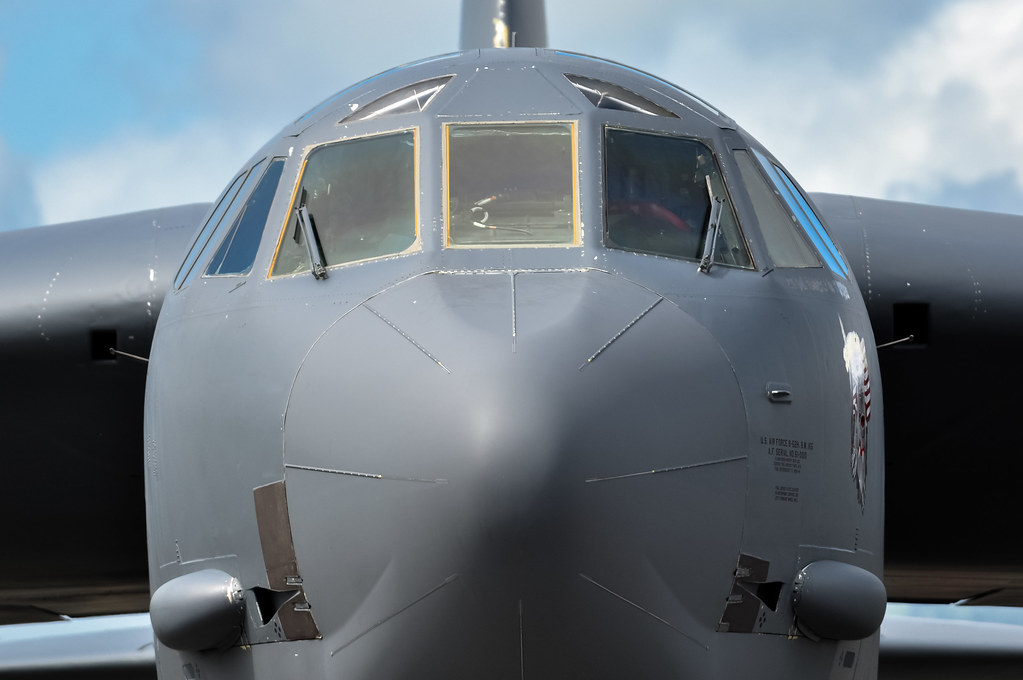
Due to the COVID-19 pandemic, I try not to go out. Since I was bored, I had no choice but to stay home and restore some old photos. I posted the B-1 and B-2 the other day, so here are a few B-52 photos. These photos were taken at the Open Day at Hickam Air Force Base, Hawaii.


The B-52 "Stratofortress" is a long-range strategic bomber developed by Boeing, powered by eight engines, and designed to replace the B-36 Peacemaker for strategic bombing missions. The design proposal was submitted in 1948, the first prototype flew in 1952, and mass production began in 1955. It evolved through 8 variants: B-52A, B, C, D, E, F, G, and H. Production ended in 1962 with a total of 744 aircraft built. The 1990s marked the peak usage of the B-52, with over 600 aircraft of various models serving in the U.S. Strategic Air Command, after which most early models were subsequently retired.
-
Throwback Thursday under the COVID-19 pandemic: B-2 Spirit Strategic Bomber
During the COVID-19 pandemic, I tried to stay indoors as much as possible. Out of sheer boredom, I spent my time restoring old photos at home. Continuing with aircraft from the 2018 Tattoo Show—this time it is the B-2 Spirit strategic bomber.
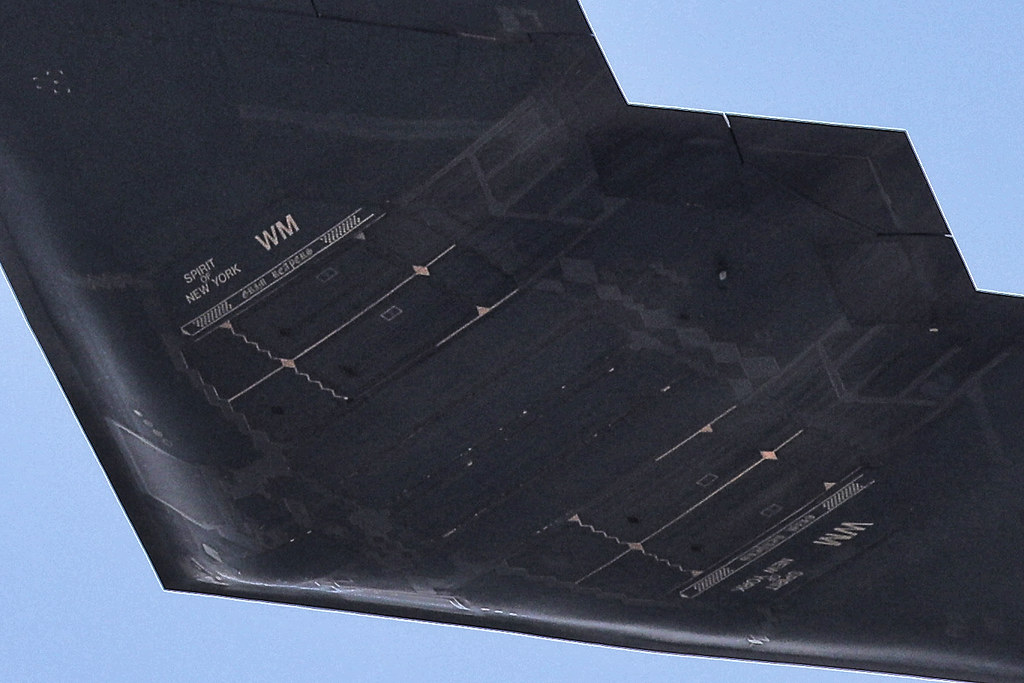
Honestly, photographing the B-2 from the ground is a total failure, because it is impossible to make out any shape characteristics or details. In this regard, it truly lives up to its reputation as the most mysterious fighter (aircraft) in the world.
-
Posting old photos under the COVID-19 pandemic 8 Strong 5L
Due to the COVID-19 pandemic, I tried to stay at home as much as possible. To kill the boredom, I spent my time restoring old photos. Continuing with more posts on the Q-5 (Nanchang Q-5) attack aircraft from the Zhuhai Airshow.
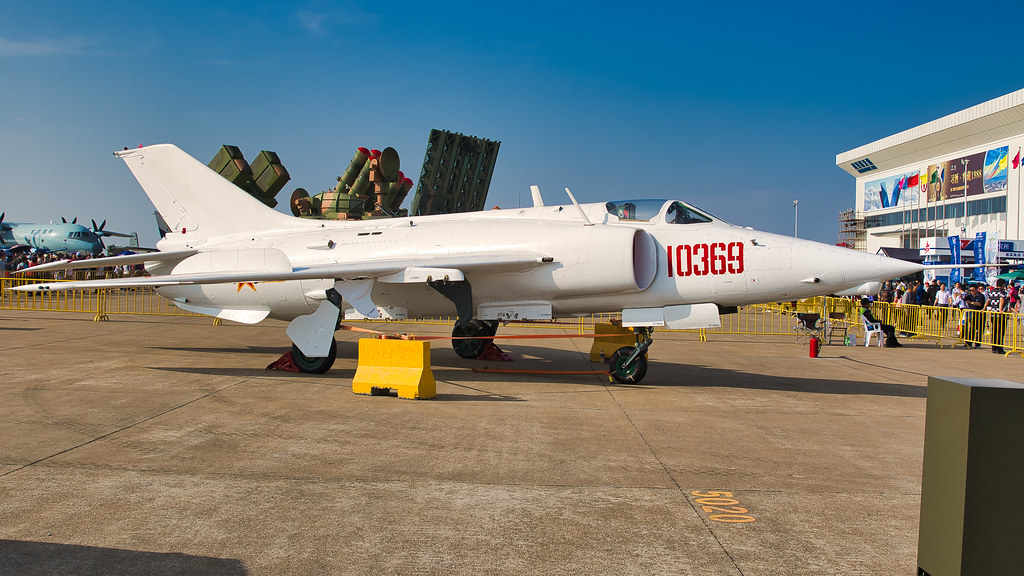

The Q-5 attack aircraft, NATO reporting name: Fantan, was designed based on Soviet MiG-19 technology, but differs almost completely from the MiG-19 in terms of aerodynamic shape and weaponry. The Q-5 is China's first-generation indigenously developed supersonic attack aircraft. It was also the only combat aircraft design to survive and enter mass production during the "Great Leap Forward" wave of indigenous aircraft manufacturing aimed at "catching up with Britain and the US."
The Q-5 features an all-metal semi-monocoque fuselage. The rear fuselage is equipped with two WP-6 turbojet engines, the same engines used on the J-6 (F-6). These engines feature afterburners, with a maximum static Thrust of 25.5 kN (2600 kg) per engine and a maximum afterburning Thrust of 31.87 kN (3250 kg). The wing is a swept mid-wing design with a leading-edge sweep angle of 55°, featuring large wing fences on the upper surface. The sweep angles of the horizontal and vertical stabilizers are 55° and 57°, respectively. The horizontal stabilizer is a fully-flying tail with an inclined axis.
-
Throwback Photos under the COVID-19 Pandemic 7: Y-20 Kunpeng
Due to the COVID-19 pandemic, I’ve been trying to stay at home. Out of boredom, I’ve been spending time restoring old photos. Today, I’m sharing a few shots of the Y-20 from the Zhuhai Airshow.

Unfortunately, the Visibility was poor, and it was backlit, so the photo results aren’t ideal. Please just bear with them.

The Y-20 transport aircraft (Y-20), codename Kunpeng, is a heavy military transport aircraft developed by China's Xi'an Aircraft Industrial Group. It is currently the largest military aircraft independently developed in China.
Xi’an Aircraft Industrial Group (XAC) is responsible for the majority of manufacturing, including final assembly. Shenyang Aircraft Corporation (SAC), Chengdu Aircraft Industry Group (CAC), Shaanxi Aircraft Corporation (SAC), Harbin Aircraft Industry Group (HAIG), and Shanghai Aircraft Manufacturing Research Institute also participated in the production of components.
-
Throwback Thursday 6: Hawker Hunter Fighter
Due to the COVID-19 pandemic, I try not to go out. Bored at home, I’ve been restoring old photos.
The de Havilland Vampire jet fighter featured last week has a unique air intake. This design, where the intake is located in the root laminate between the left and right wings, is only found in vintage British aircraft.
I remembered that I had previously taken photos of a Hawker Hunter, so I’m posting them here for comparison.
-
Posting Old Photos 5: Vampire Jet Fighter during the COVID-19 Pandemic
Stuck at home during the COVID-19 pandemic out of boredom, I decided to restore some old photos.
Next, here are a few shots of the de Havilland Vampire from the 2018 Air Tattoo.
Two-seater

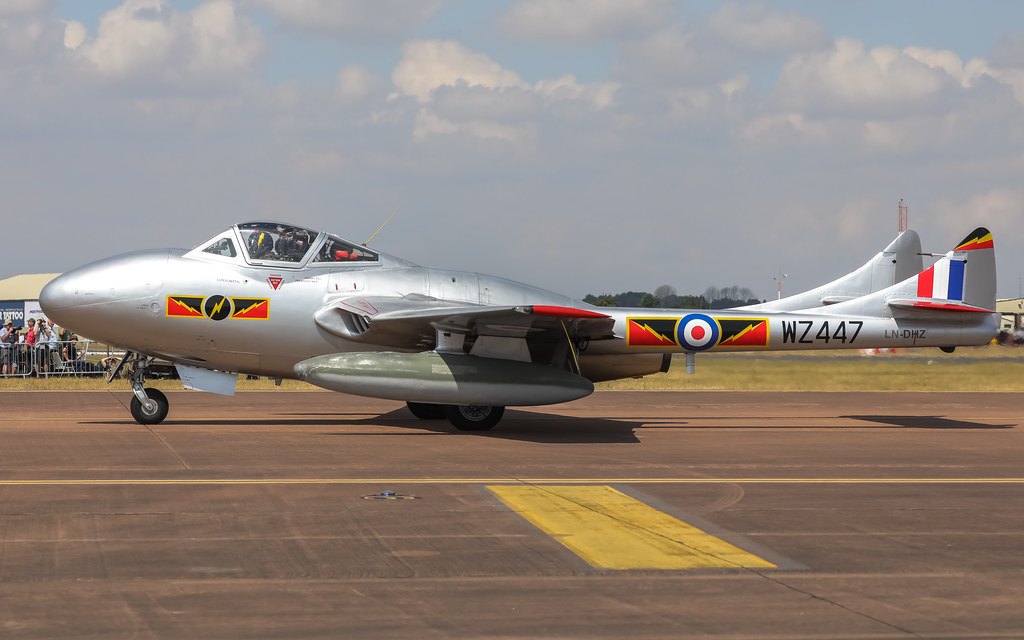

The de Havilland Vampire was the second jet fighter to be manufactured by the Royal Air Force during World War II (the first being the Gloster Meteor). Notably, it was the world's first jet fighter to land on an aircraft carrier. It had various derivative versions, including fighter-bombers and night fighters. In addition to being used by the Royal Air Force and the Royal Navy's Fleet Air Arm, it was exported to numerous countries.
The Vampire fighter was equipped with a single H-1 jet engine produced by the British company de Havilland. Similar to the Mosquito, the cockpit was constructed of wood. Four 20mm cannons were installed under the nose. Both the cockpit and the engine were mounted in the central nacelle. The engine intakes were located in the root laminations of the left and right wings. This design made both the air intake and jet exhaust very short, minimizing thrust loss.
-
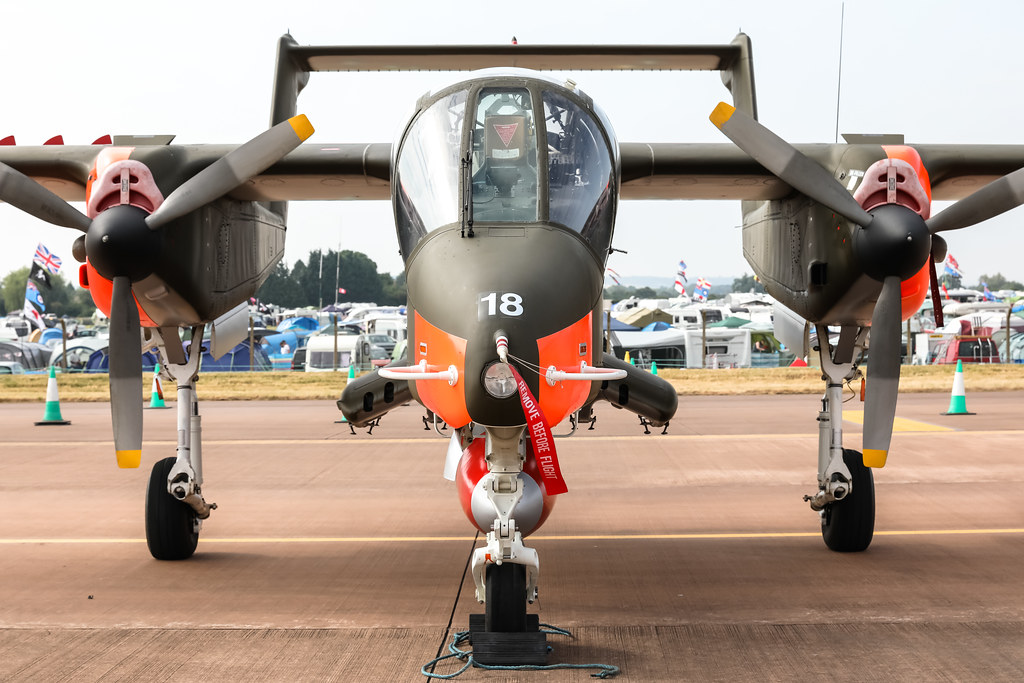
Posting Old Photos Amidst the COVID-19 Pandemic Part 4: Mustang Light Attack Reconnaissance Aircraft
Due to the COVID-19 pandemic, I tried not to go out. Since I was bored, I spent my time at home restoring old photos. Here are a few photos of the German Air Force’s OV-10-338-8 Bronco from the 2018 Air Tattoo.

-
Posting Old Photos During the COVID-19 Pandemic 3: Wildcat Helicopter
Due to the COVID-19 pandemic, I’ve been trying to stay at home as much as possible. To kill the boredom, I’ve been spending my time restoring old photos.
Here are a few shots of the AgustaWestland AW159 Wildcat from the 2018 Air Tattoo.

 It is quite surprising that there is very little Chinese information about this aircraft online..