Posting Old Photos during the COVID-19 Pandemic 25: The Afterburner Plume of a Fighter Jet
Since the onset of winter, due to the rapid surge in infections, the Japanese government declared a state of emergency again this week, urging people to stay home as much as possible.
It’s a good chance to keep sorting through old photos at home.
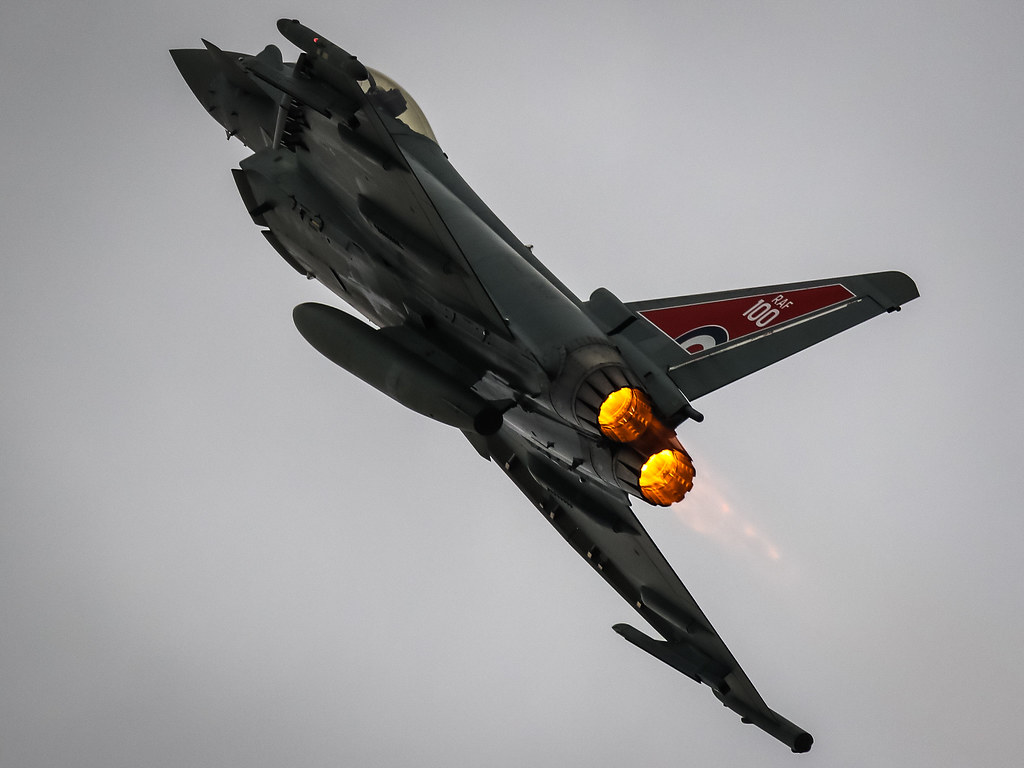
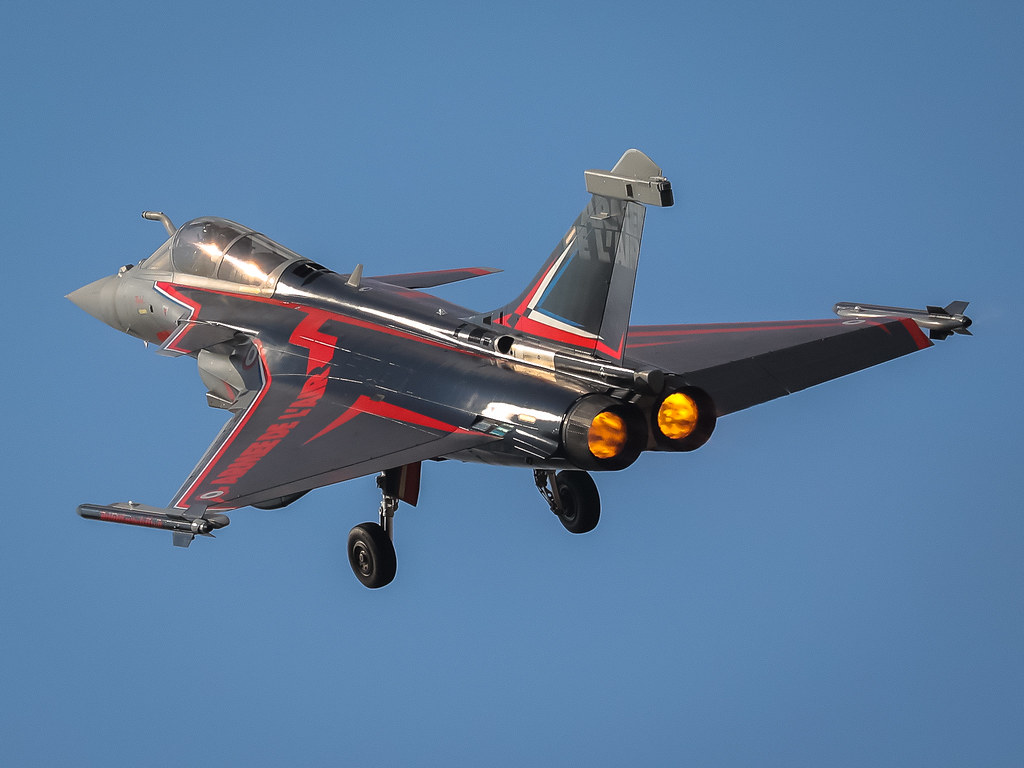
The nozzle flames of fighter jets in afterburner always make for some of the best shutter opportunities—today, I’ve picked out a few such shots to share.
Ukrainian Air Force Su-27 Flanker
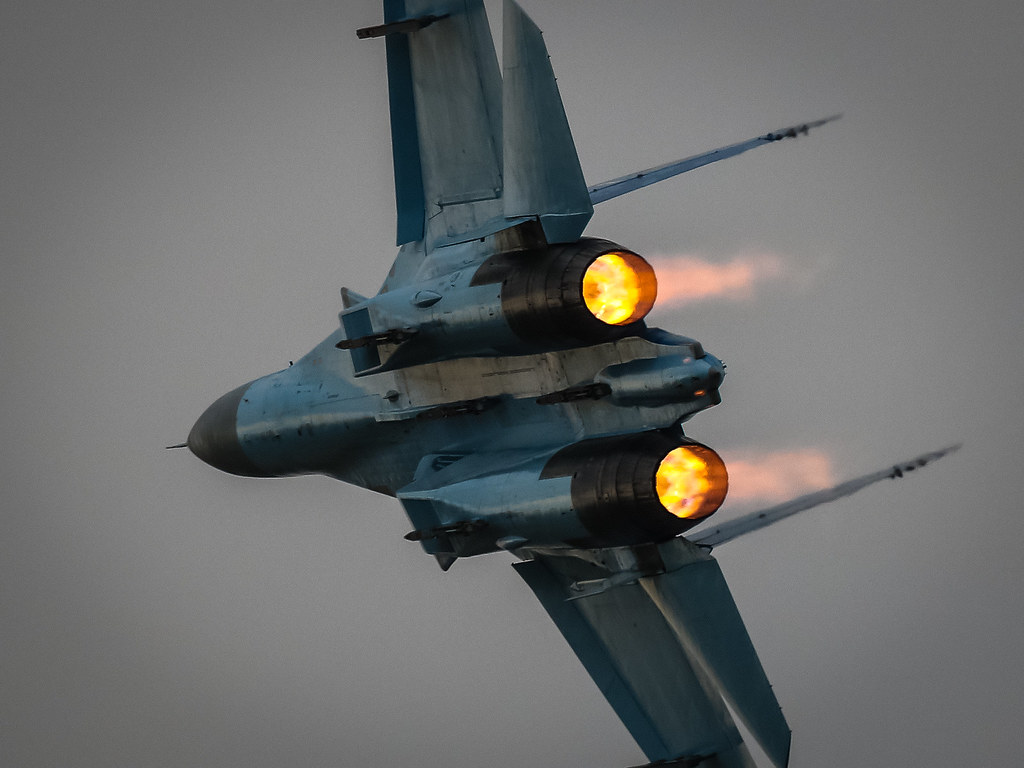
According to Wikipedia’s explanation,
An afterburner (or reheat) is an additional device fitted to jet engines, commonly found on military aircraft. It works by injecting fuel into the exhaust airflow from the engine. Because the airflow is at very high temperature, the fuel combusts immediately, expands, and generates additional **thrust**.Generally, the higher the turbine inlet temperature of a jet engine, the greater the thrust it produces. However, due to the operating environment, the turbine must endure both extreme temperatures and massive thrust; consequently, limited by turbine materials, turbine inlet temperatures generally reach only about 1650 K. This still cannot meet the thrust requirements of military engines, so an afterburner is added downstream of the turbine to re-ignite the flow and boost thrust. Since the afterburner has no rotating components, temperatures can reach around 2000 K, allowing engine thrust to increase instantly by a factor of 1.5.
Royal Air Force Eurofighter Typhoon
US Air Force F-35A Lightning II

French Air and Space Force Rafale C
Belgian Air Component F-16A Fighting Falcon
