Throwback to Embraer E190-E2 Passenger Aircraft
Continuing the series of throwback photos from the COVID-19 pandemic, today I am posting the Embraer E190-E2 in the “Shark” livery. All photos were taken at the 2018 Farnborough Airshow.

Exterior


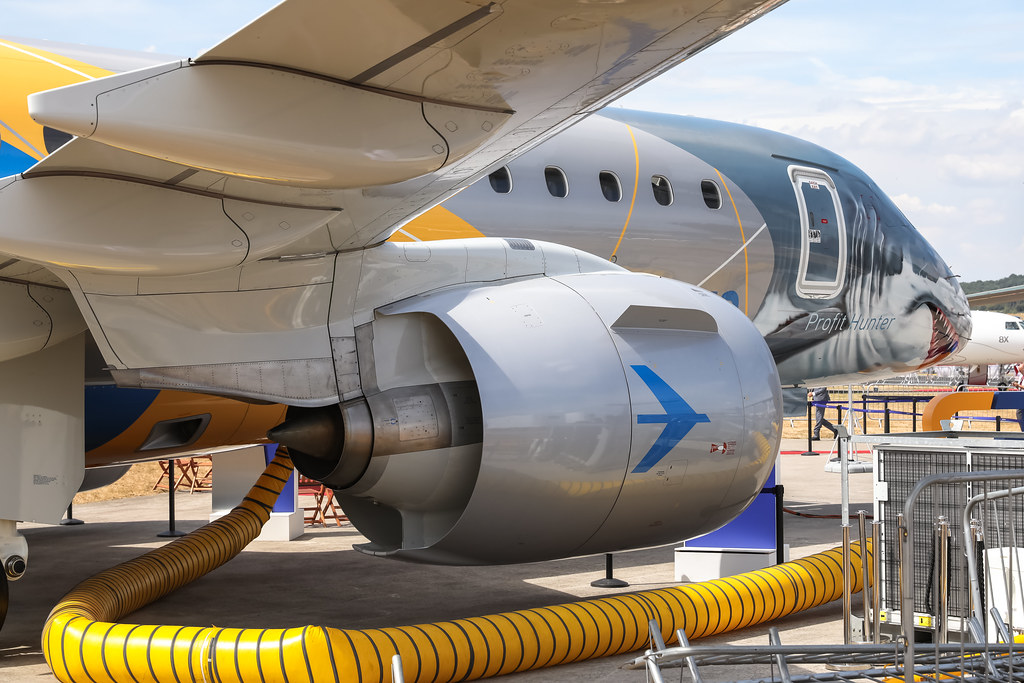
The E190-E2 is the first model of the Embraer E-Jets E2 jet series. Compared to the current generation E190 aircraft, the E190-E2 features 75% new systems; fuel consumption is improved by 17.3% over the E190, and is 10% better than direct competitors, making it the most efficient single-aisle series aircraft globally.The E-Jets E2 series utilizes new Pratt & Whitney PurePower Geared TurbofanTM high-performance engines, reducing fuel consumption by 11% compared to the previous generation CF34; Meanwhile, the E-Jets E2’s new wing creatively adopts a raked wingtip design co-planar with the main wing, increasing the wing span length.
In addition, aerodynamic improvements and the application of advanced technologies such as the fourth-generation Embraer full Fly-By-Wire system have effectively improved the E190-E2’s fuel efficiency. Compared to the current generation E190, the E190-E2’s Range has increased by 500 nautical miles, reaching 2,880 nautical miles (5,330 km).


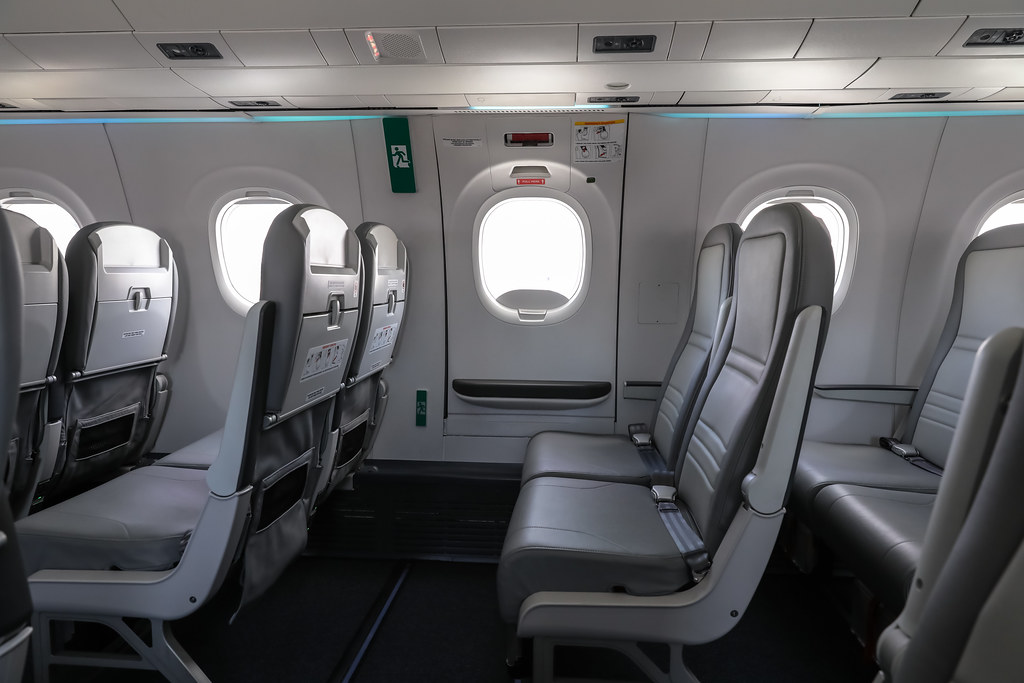
Regarding the cabin, the E-Jets E2 adopts a comfortable 2+2 configuration with no middle seats. The human-centric design, further expanded legroom, and baggage storage space not only enhance passenger comfort but also effectively improve flight turnaround efficiency.Depending on different business model needs, the E190-E2 can flexibly adopt various cabin layouts; for example, a two-class layout can accommodate 97 seats, or a single-class layout can accommodate 114 seats.



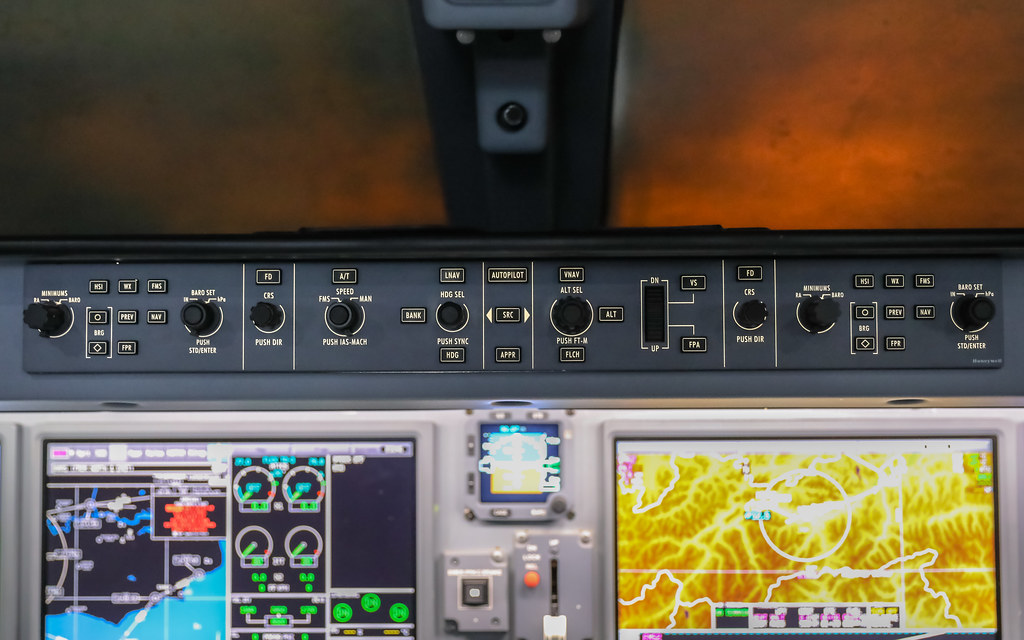
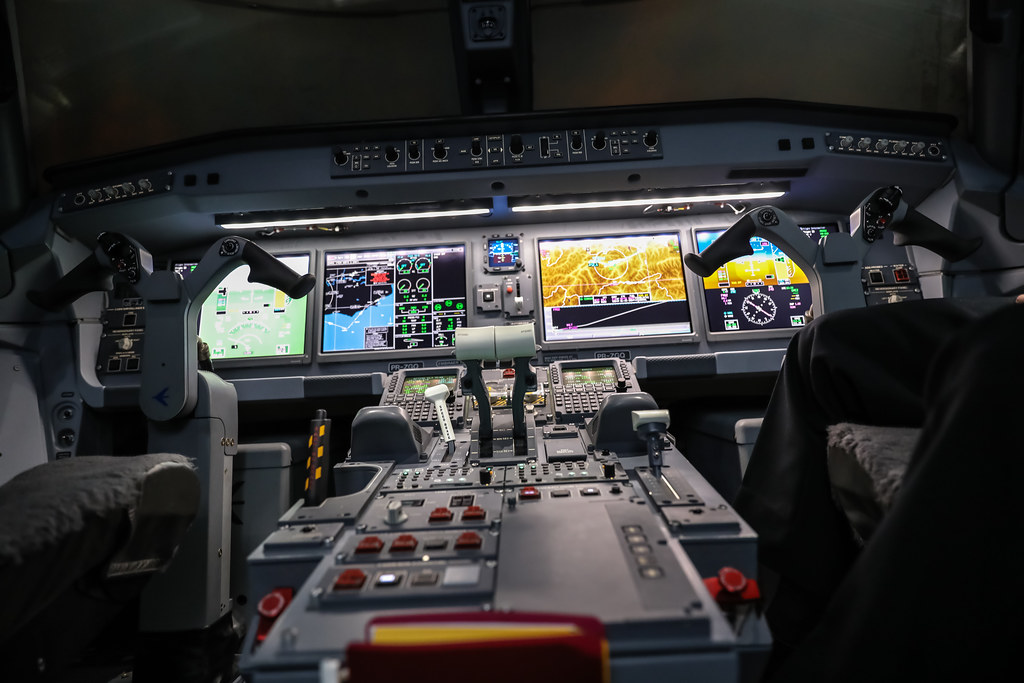
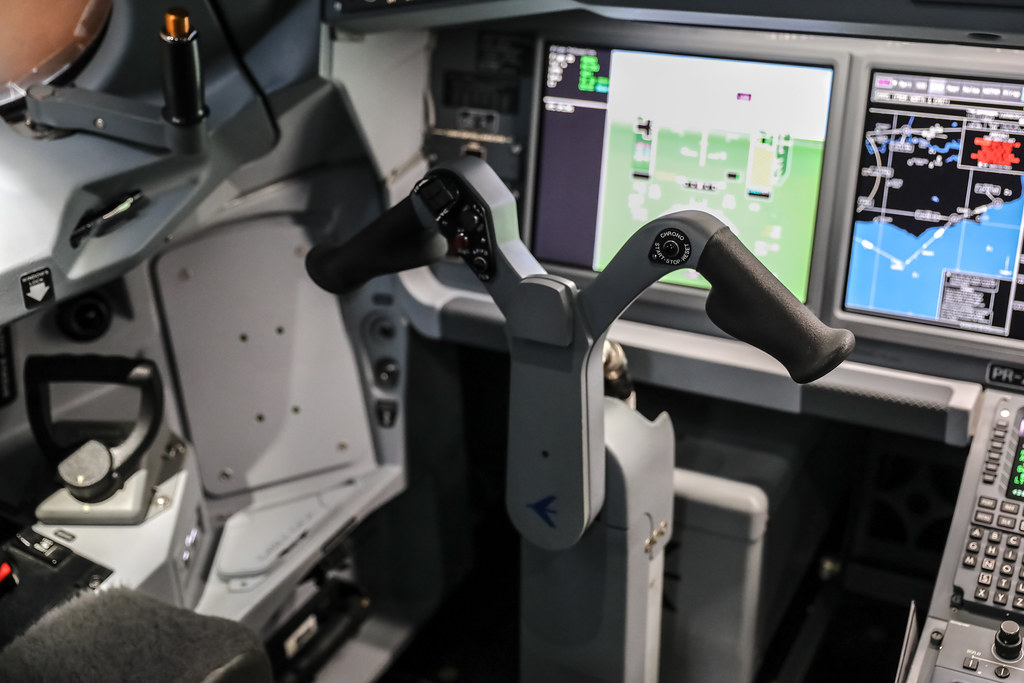
The E2 series flight deck is equipped with advanced Honeywell Primus Epic 2 integrated avionics. This system, combined with closed-loop full Fly-By-Wire, gives the aircraft higher performance, reduces pilot workload, and enhances aircraft safety.





Finally, let’s look at the official data:
 Length 36.2m Wing Span 33.7m Height 11m
MTOW Maximum Takeoff Weight 56,400kg MLW Maximum Landing Weight 49,050kg Max Payload Weight 13,080kg Max Operating Speed Mach 0.82 MTOW Takeoff Runway Length 1,624m MLW Landing Runway Length 1,286m Service Ceiling 41,000ft Range 2,850nm / 5,278km
End