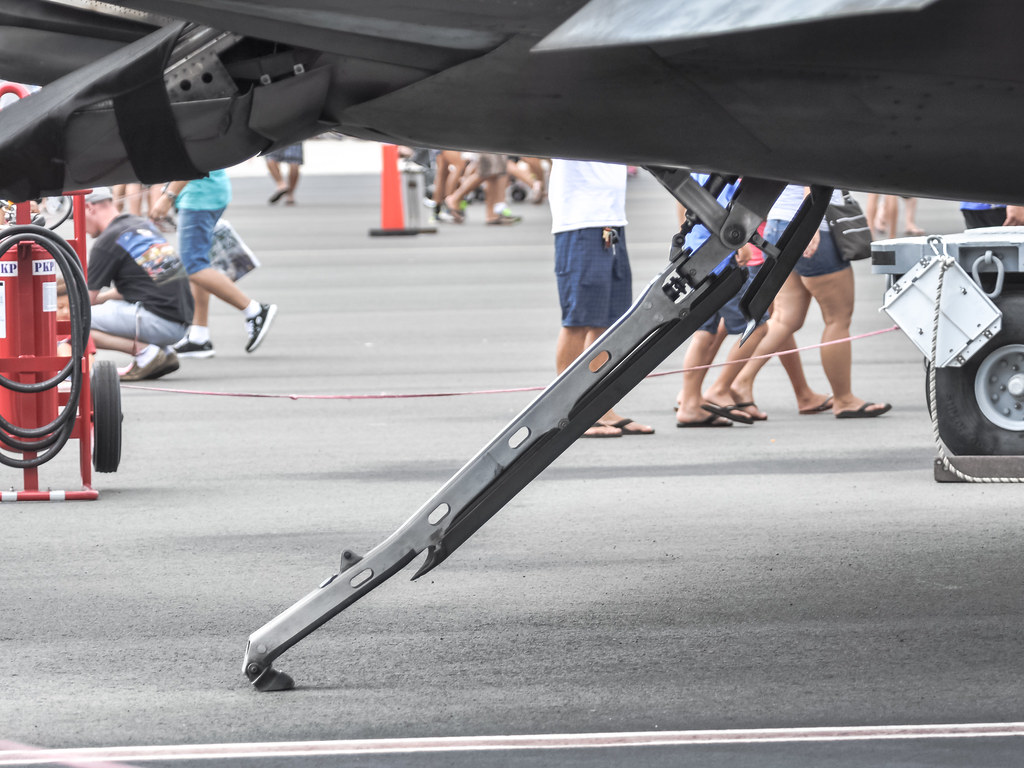
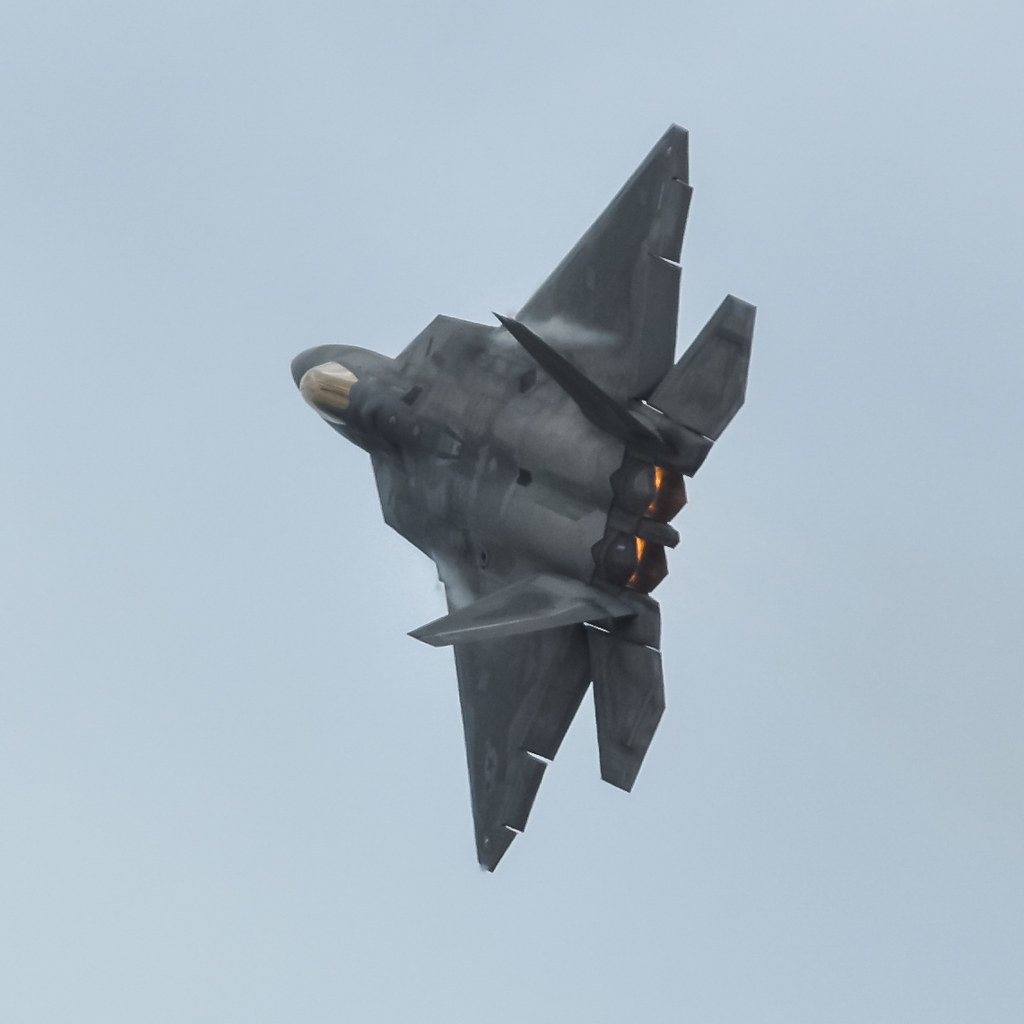
Old Photo 11: F-22 Raptor released during the COVID-19 pandemic
Staying at home as much as possible during the COVID-19 pandemic, I had nothing better to do than repair some old photos.
I previously posted about the F-35, so today I’ll post about the F-22 Raptor.


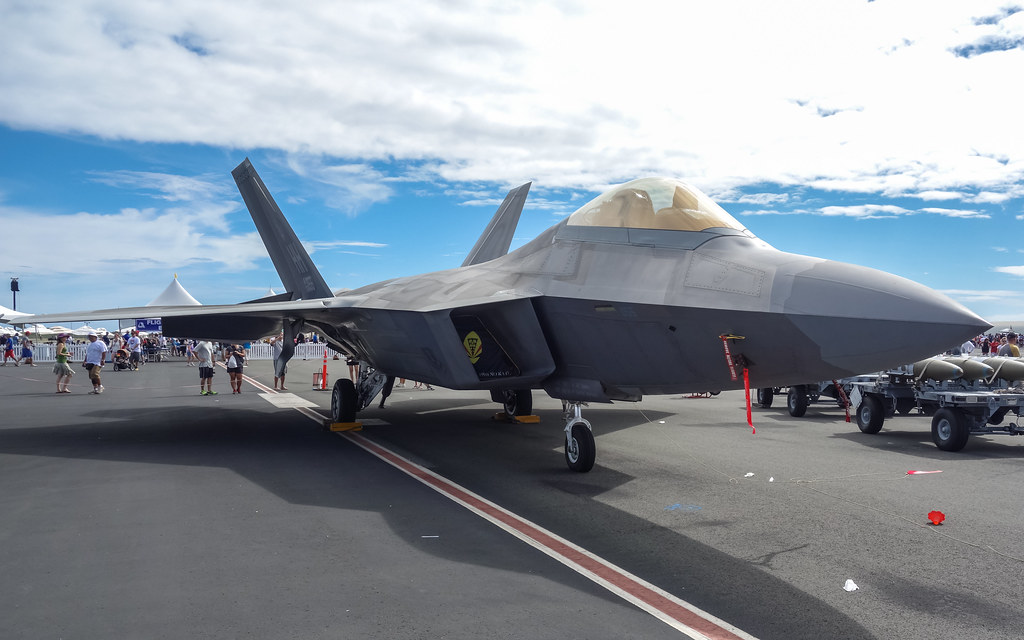
The F-22 "Raptor" is the world's first single-seat, twin-engine, fifth-generation stealth fighter. Its primary mission is to gain and maintain air superiority in the theater of operations. Additional missions include ground attack, electronic warfare, and signals intelligence.The F-22 entered service with the United States Air Force in 2005, designed to replace the previous generation’s primary fighter, the F-15.
Lockheed Martin is the prime contractor, responsible for the design of the majority of the airframe, weapon systems, and final assembly of the F-22. Program partner Boeing Aerospace provided the wings, aft fuselage, avionics integration, and training systems.
The F-22 is one of the most expensive fighter aircraft to date and one of the most advanced fighters in the world today. It is equipped with an AN/APG-77 active phased array radar, AIM-9X infrared air-to-air missiles, AIM-120C/D medium-range air-to-air missiles, two-dimensional F119-PW-100 thrust vectoring engines, and advanced integrated avionics and human-machine interfaces. Its design capabilities include supersonic cruise (without using afterburners), beyond-visual-range combat, high maneuverability, and stealth against radar and infrared. Its combat capability is estimated to be several times that of the previous generation’s primary fighter, the F-15, making it a new generation heavy fighter.
Additionally, many of the advanced technologies established during the development of the F-22 have also been applied to the medium-sized F-35 “Lightning II”. Lockheed Martin claims that the Raptor’s stealth performance, agility, precision, and situational awareness, combined with its air-to-air and air-to-ground combat capabilities, make it the best all-around fighter in the world today.


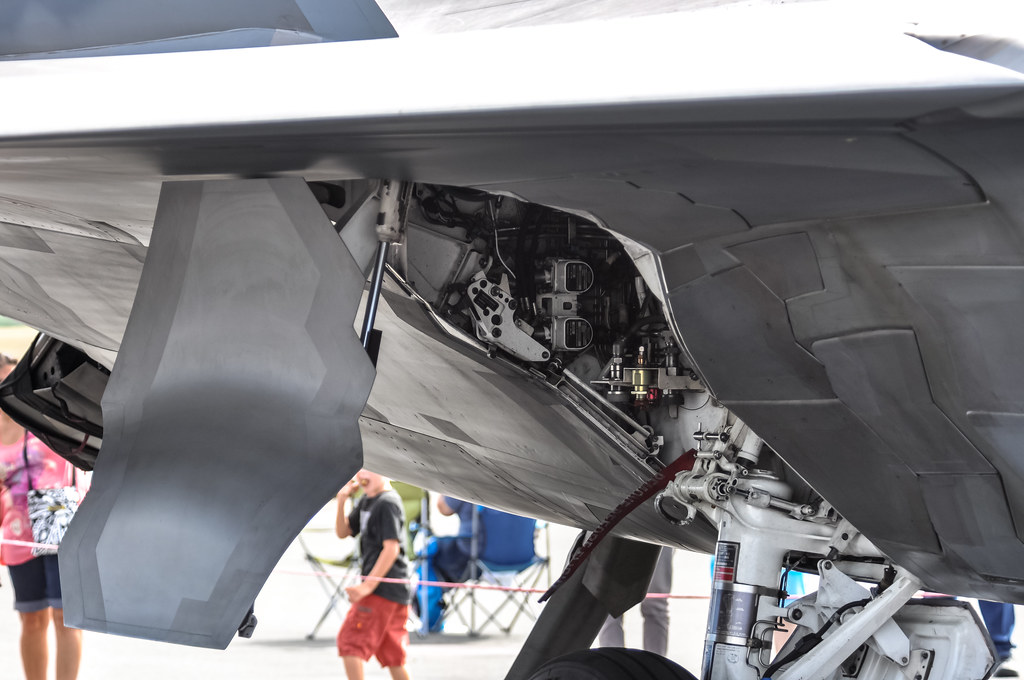

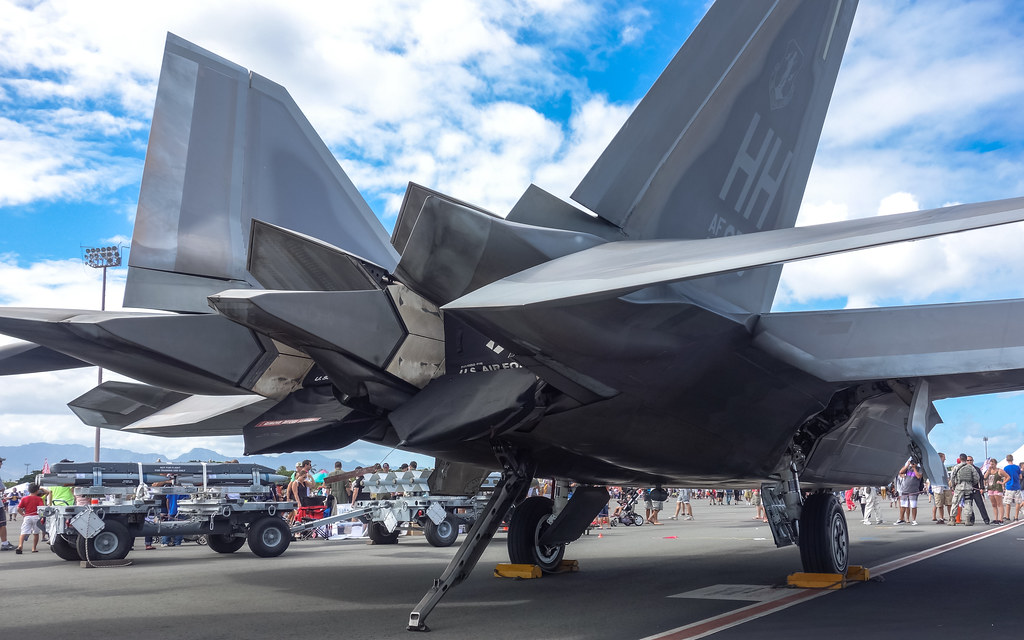
 Western Air Force fighters often have tailhooks. Although not as robust as the naval landing hooks, in an emergency or on short Runways, a barricade cable can be set up on the Runway to reduce the aircraft’s landing roll distance, as seen in this video and explanation.