A Quick Visit to the Aichi Museum of Flight
A few months ago, I took a trip to the Aichi Museum of Flight. Since the itinerary was rushed, I only stayed for about two hours. I just snapped some souvenir photos with a point-and-shoot camera (RX100) and am posting them here to introduce the place.
The Aichi Museum of Flight is located right next to Nagoya Airport. (This is not Nagoya Chubu Centrair International Airport, but a joint civil-military local airport.) It just opened on November 30, last year (2017). According to the official Aichi tourism website, the facility consists of:
Two floors above ground plus a rooftop. Inside, there is an exhibition area featuring the actual "YS-11", a domestically produced passenger aircraft with a twin turboprop engine system manufactured by Japan Aircraft Manufacturing Corporation. Not only aircraft enthusiasts but also families on trips can enjoy themselves here.This facility is not just an industrial tourism facility; it also bears the heavy responsibility of transmitting information about the aircraft industry and fostering the next generation of aviation talent. On the 2nd floor, there are large screens introducing the “100 Famous Aircraft” and a science laboratory; the rooftop features an observatory where you can watch aircraft Takeoff and Landing at the prefectural Nagoya Airport up close. With many highlights, it is a very proper aviation museum. Welcome to visit!
To get to the museum, you can take a dedicated “Aoi Kotsu” bus from the entrance of Nagoya Station.
Exit the “Sakura-dori-guchi” (Sakura Street Exit) at Nagoya Station and cross the street.
The bus stop is located right in front of the Dior boutique, beneath the Midland Square building.
The ride takes about 25 minutes to reach the Aichi Museum of Flight.
In the photo below, the bus stop on the left in the middle is the one heading towards Nagoya.
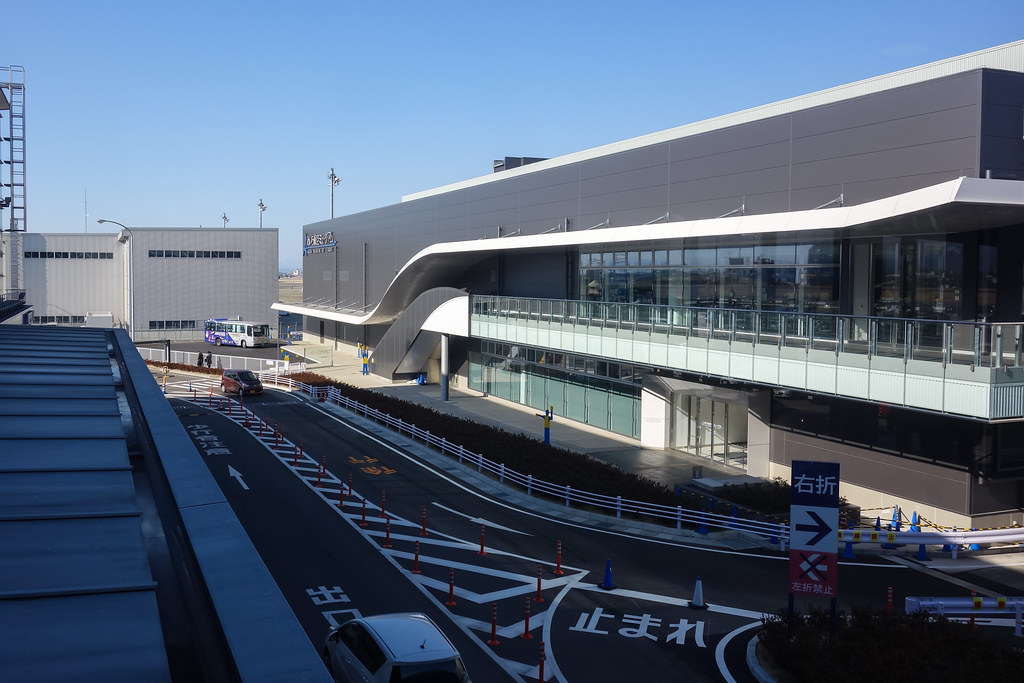
The entrance to the museum.
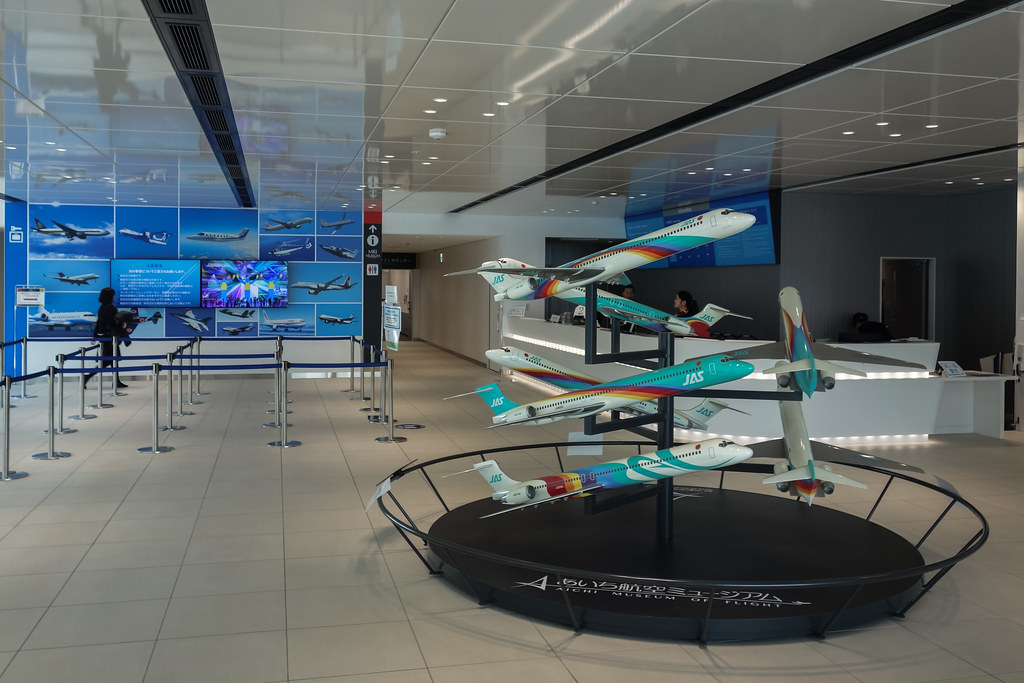
After buying a ticket and entering, you can see the YS-11.
This is a twin-engine turboprop airliner produced by Mitsubishi Heavy Industries in the 1960s,
which was retired from active service in 2006.
Only a few aircraft remain in use within Japan by government agencies and the Self-Defense Forces.
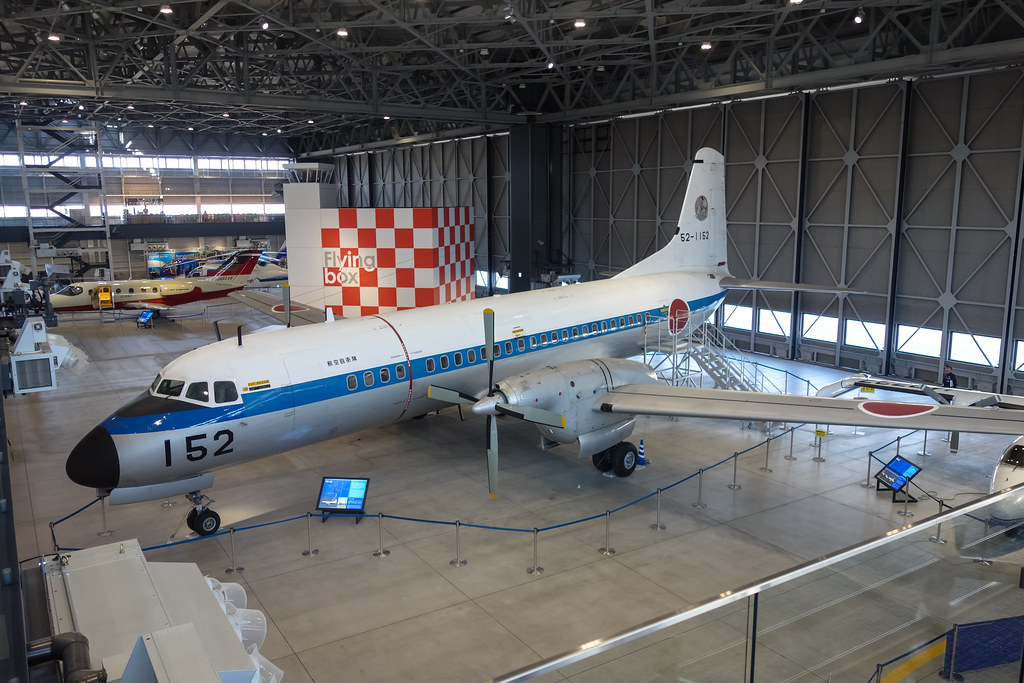
Next to the YS-11 is the MU-300.
This is a twin-engine business jet developed by Mitsubishi Heavy Industries in the late 1970s.
The MU-300 was commercially unsuccessful,
and the rights were eventually sold to the American Beechcraft company, where it was sold as the Hawker 400.
Fortunately, in the 90s, it unexpectedly secured mass production by winning an order for 180 US military T-1 trainer aircraft.
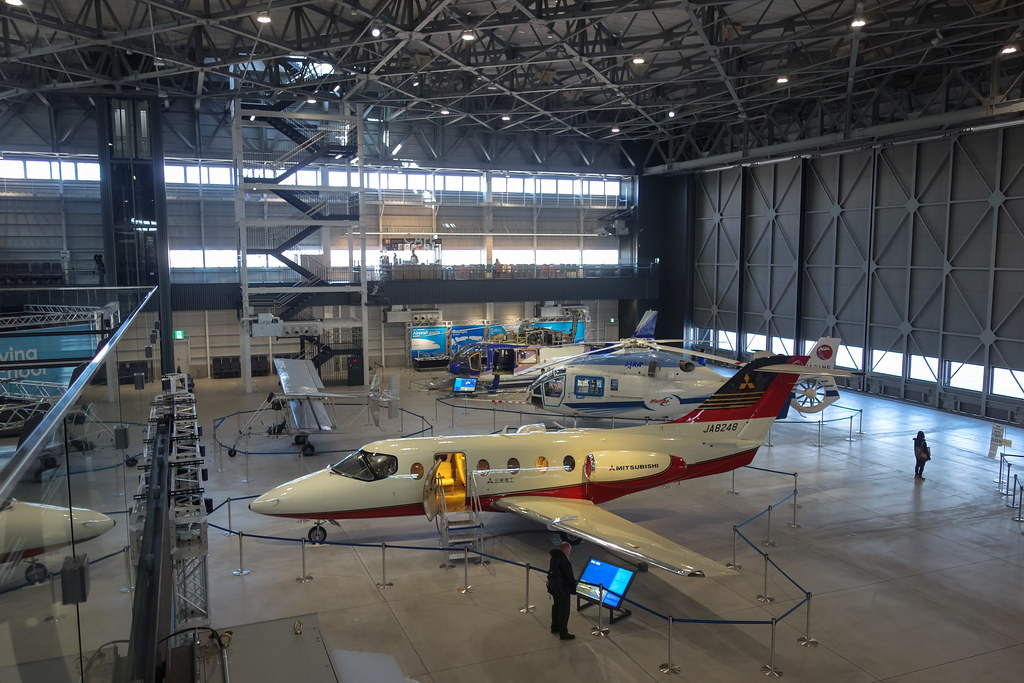

Some other exhibits in the museum:
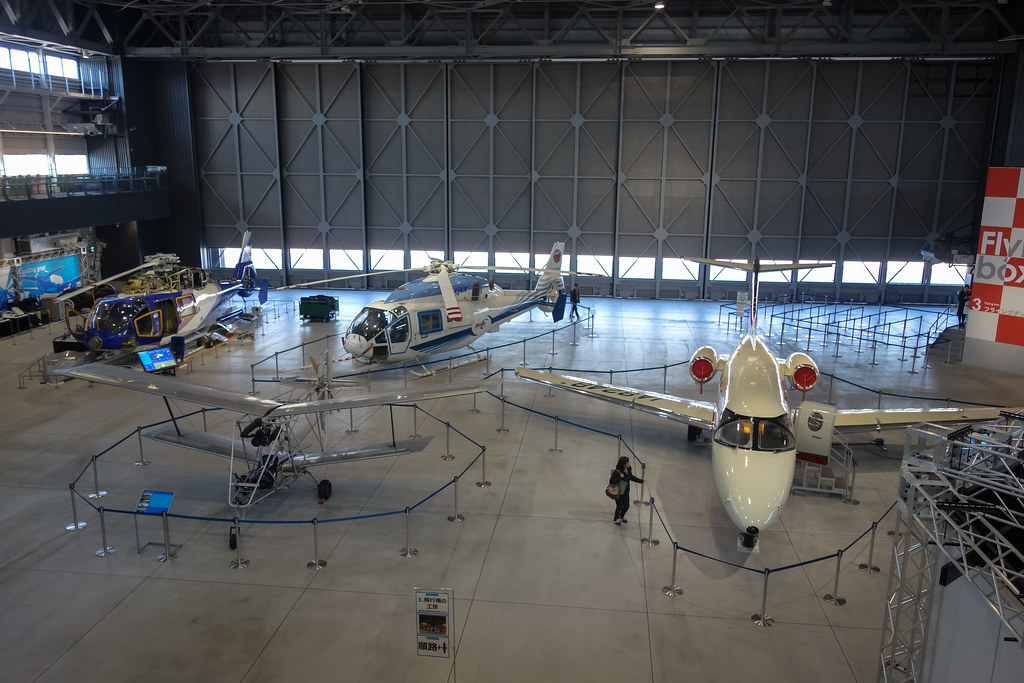
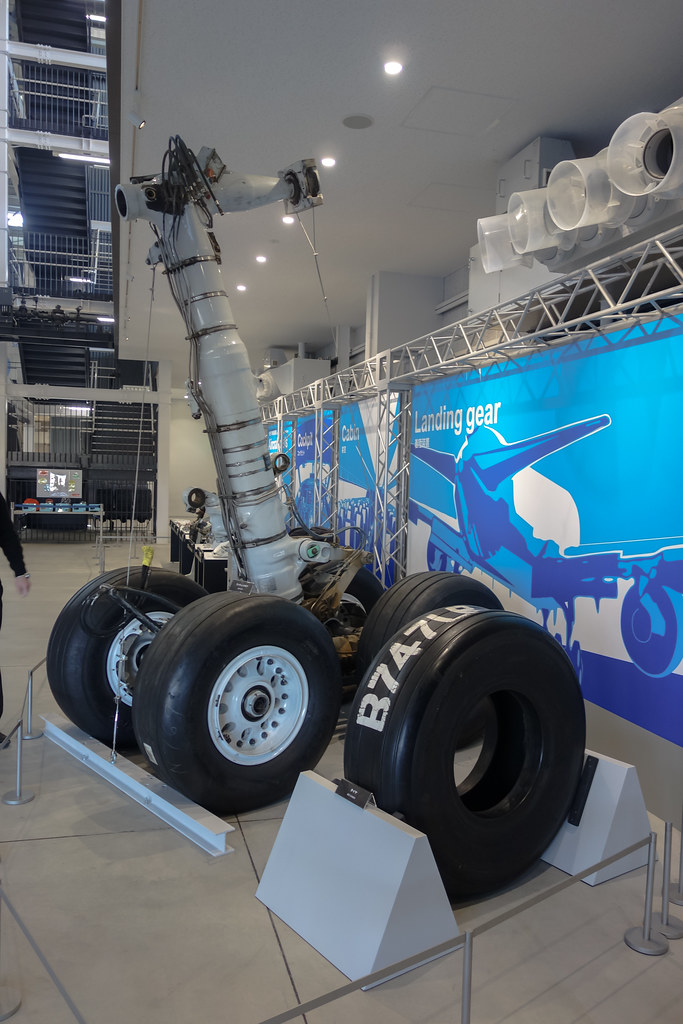
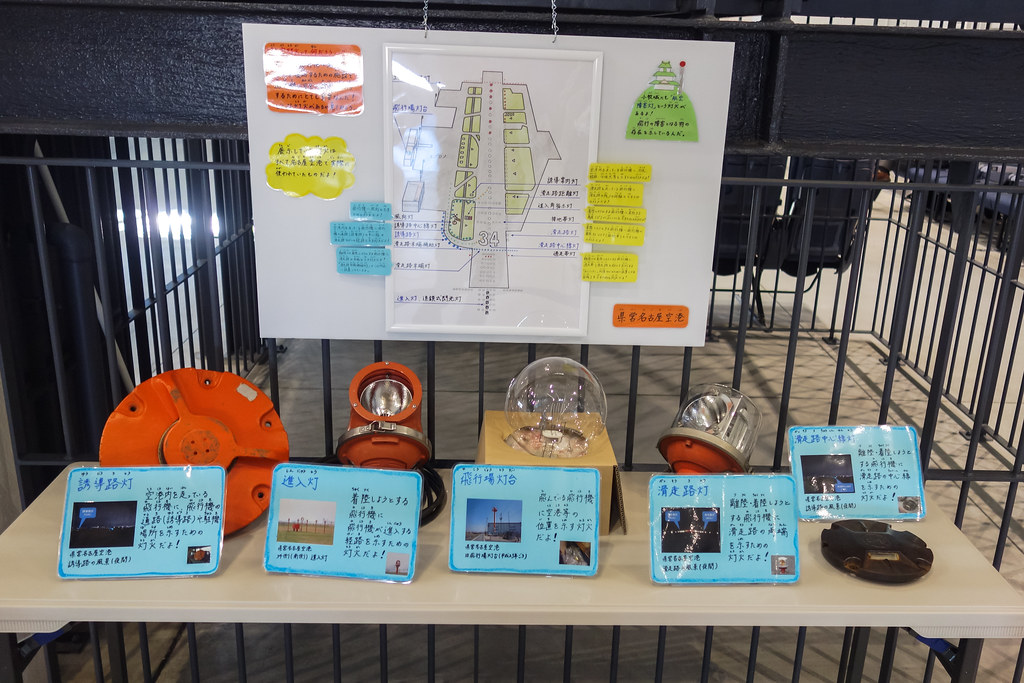
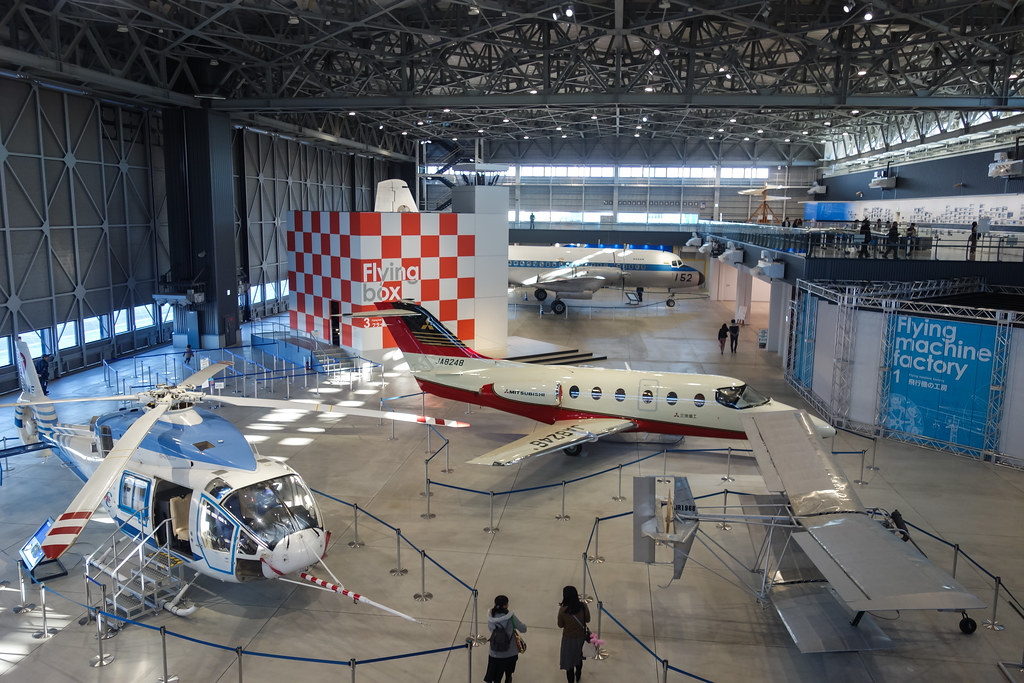 It feels like this place is just a large hangar.
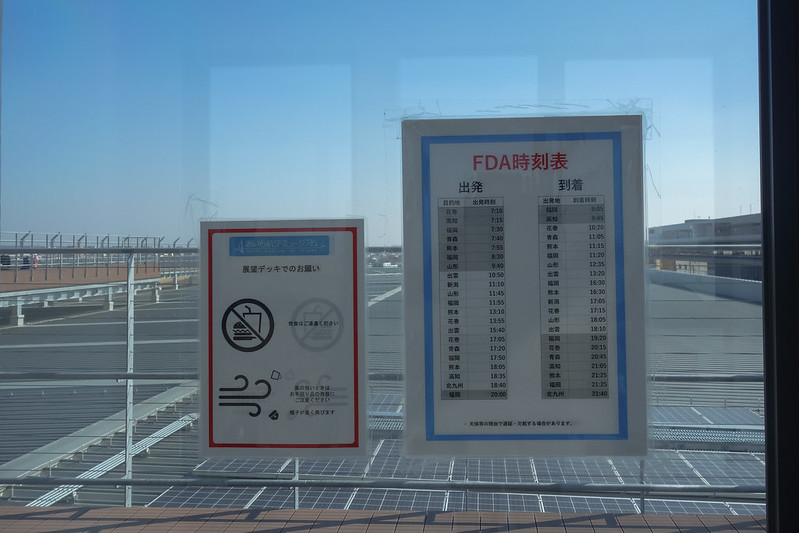
Next, I went up to the observatory on the roof to look at the Apron and the airport.
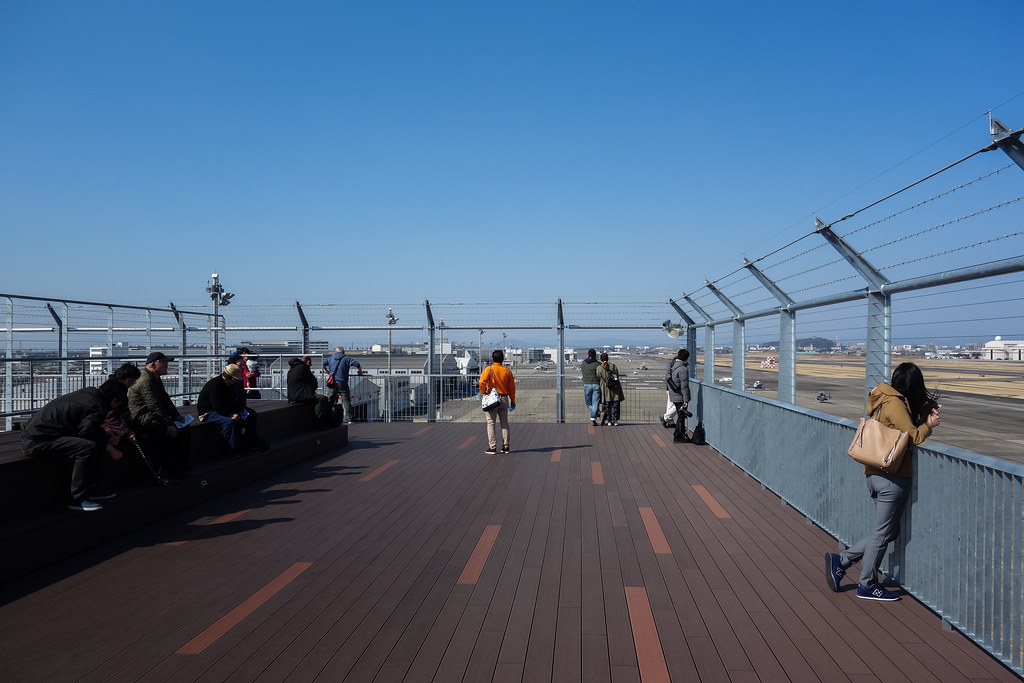 The west side is mainly a general aviation Apron, where you can see some helicopters and small fixed-wing aircraft.

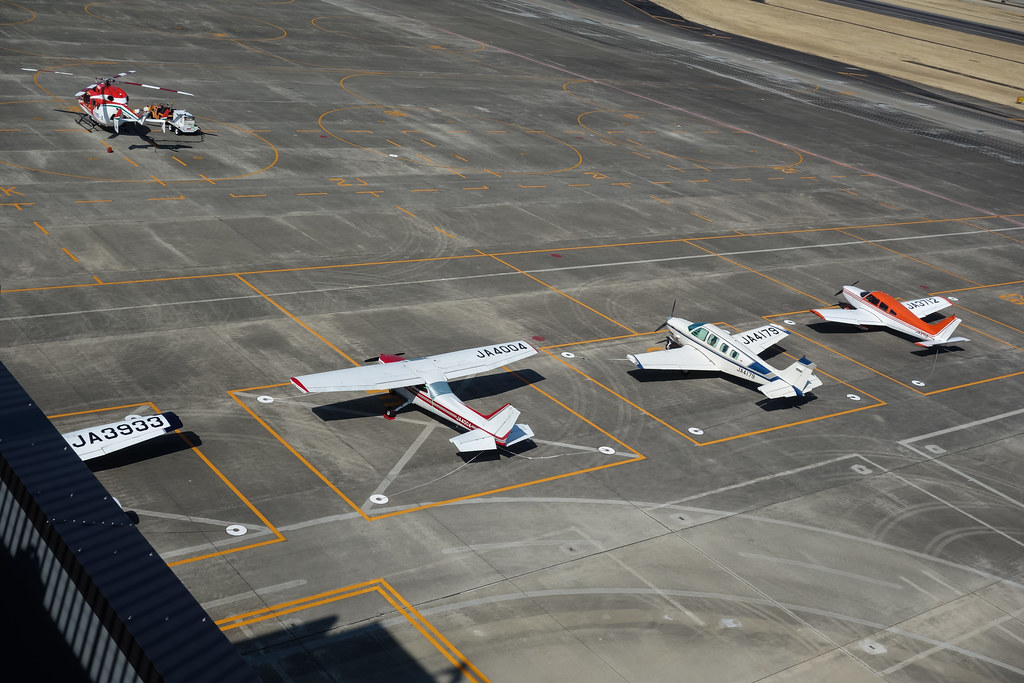
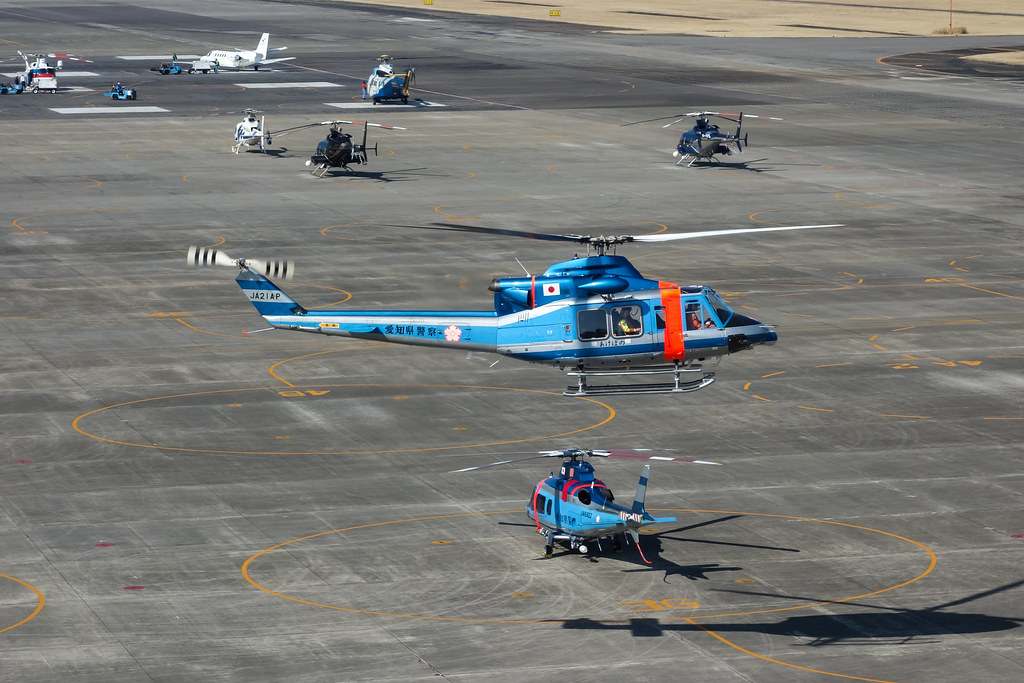
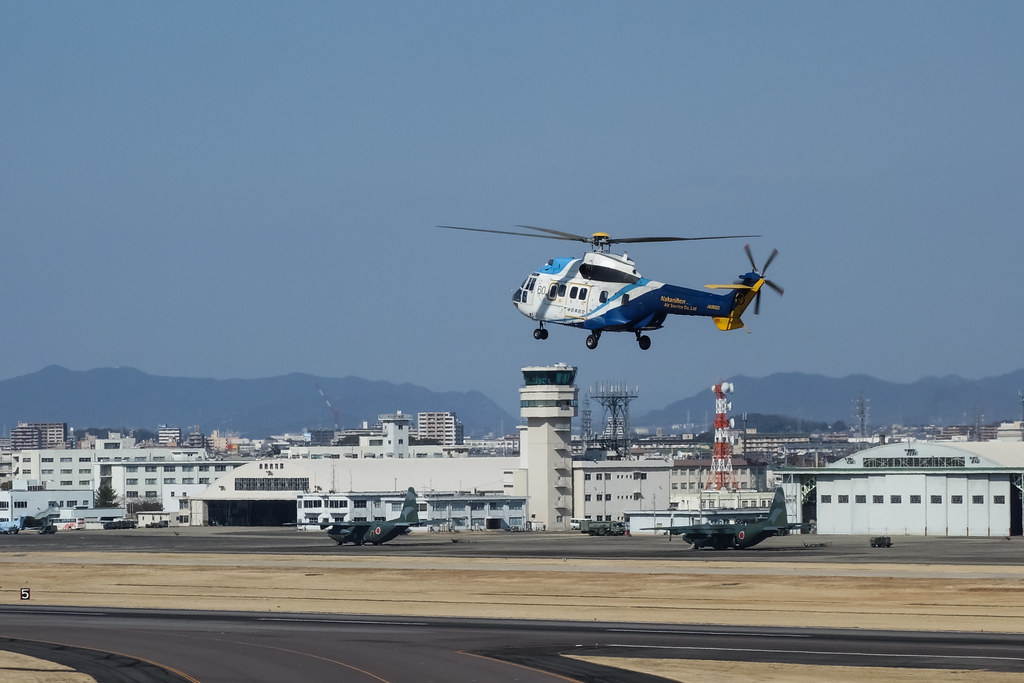 But occasionally, you can also see an ERJ from Fuji Dream Airlines (FDA).
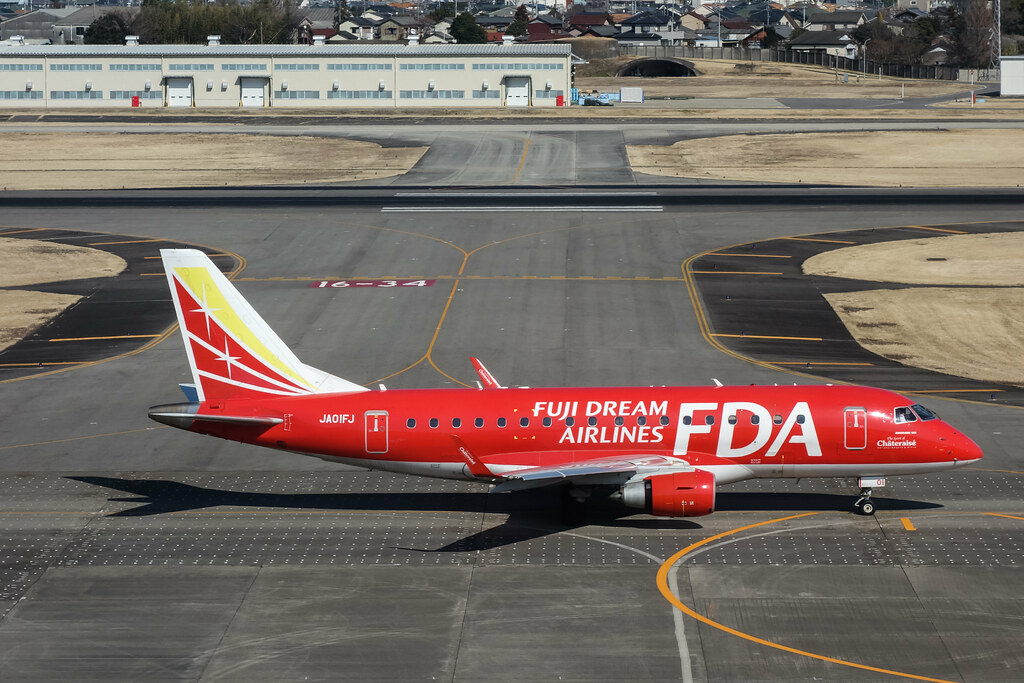 This was my first time photographing an FDA airframe,
and it happened to be their first aircraft, the red JA01FJ!
This was my first time photographing an FDA airframe,
and it happened to be their first aircraft, the red JA01FJ!
FDA is a regional airline with a fleet of 12 ERJs
(4 ERJ170s and 8 ERJ175s, each with a different livery color).
It is also the only company at Nagoya Airport operating commercial civil aviation routes.
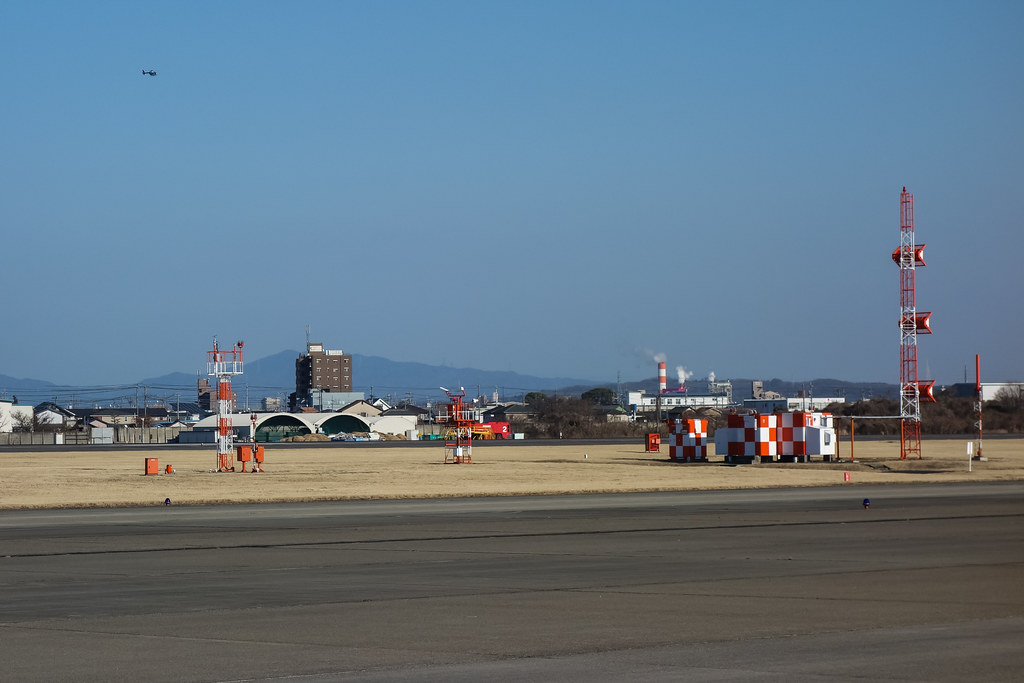
Nagoya Airport’s ILS Glide Slope antenna, RVR detector, and wind direction/speed anemometer.
Speaking of which, although this airport is joint civil-military use,
I was still quite startled when an Air Self-Defense Force F-4 Phantom II suddenly appeared.
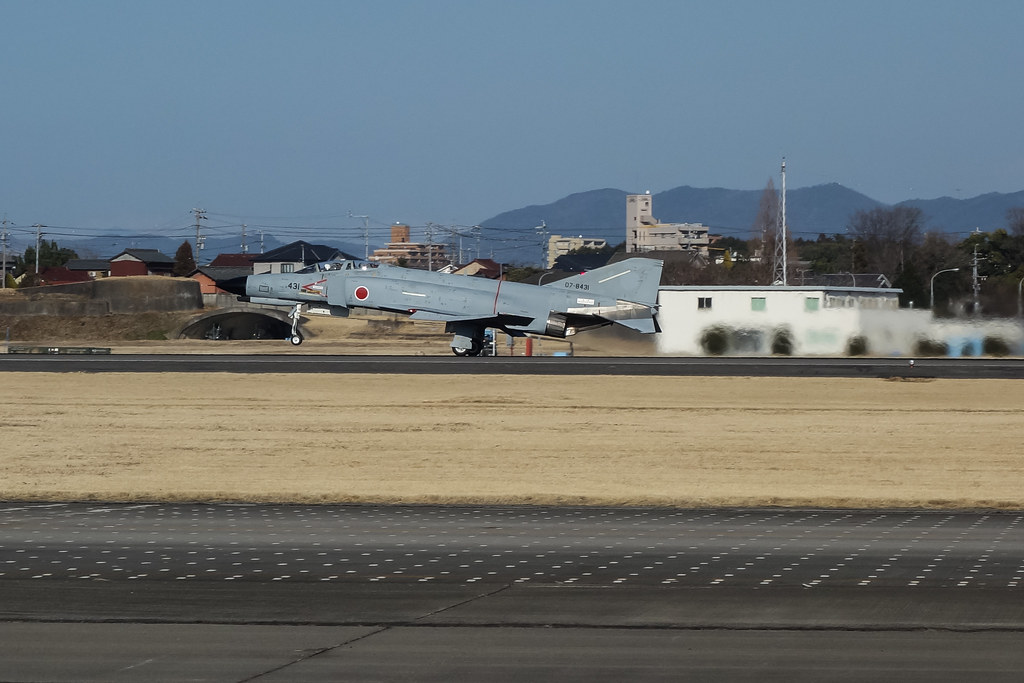 Getting a shot like this with a point-and-shoot camera isn’t bad,
especially since it was the first time I saw this famous 1960s fighter with my own eyes.
Getting a shot like this with a point-and-shoot camera isn’t bad,
especially since it was the first time I saw this famous 1960s fighter with my own eyes.
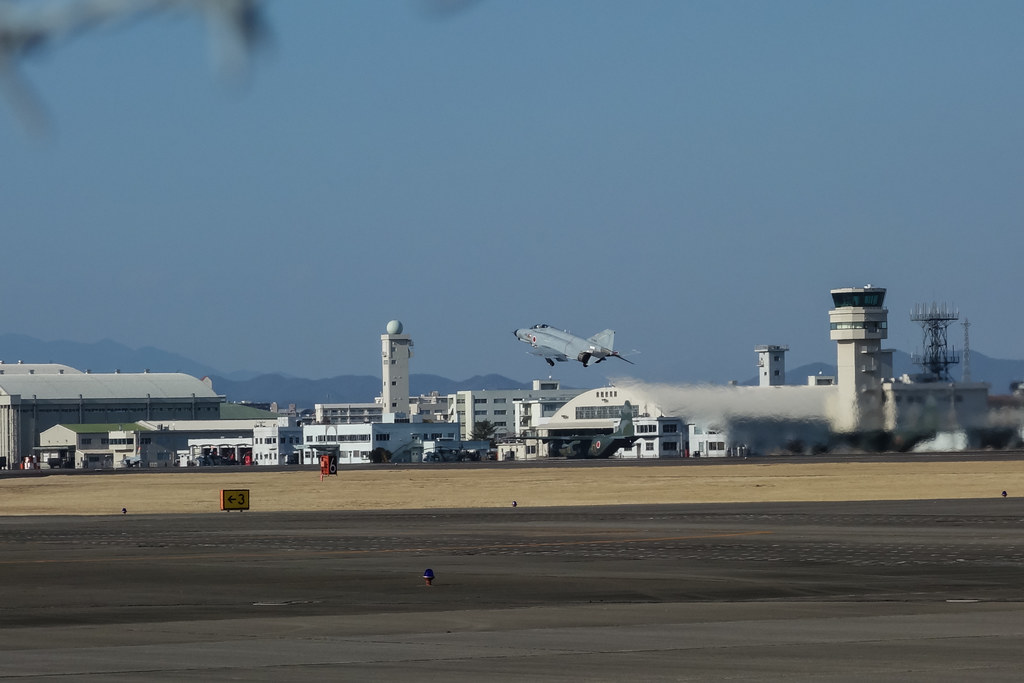 I watched it perform a touch & go. I wish I had brought my DSLR…
By the way, right next to the Aichi Museum of Flight is the Mitsubishi Heavy Industries aircraft final assembly plant. If you book in advance, you can actually tour their MRJ production line. Unfortunately, I didn’t know this information beforehand, so I’ll have to find another chance to go in the future. (A colleague visited, but apparently photography is not allowed inside, which is a bit of a pity)
End