Flying ANA Flight NH961 from Tokyo Haneda to Beijing (Part 1)
(Note: Flight NH961 boards at the International Terminal of Haneda Airport. Haneda Airport has 3 terminals, so don’t go to the wrong one!)
Taking advantage of the year-end holidays, I took an All Nippon Airways (ANA) Tokyo-Beijing flight NH961. It was quite a pleasant experience. Below is a summary of the entire process, mainly through photos.
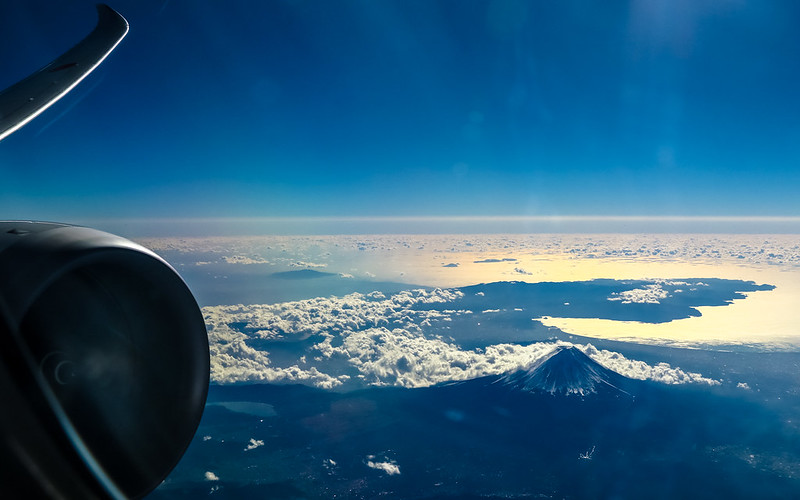
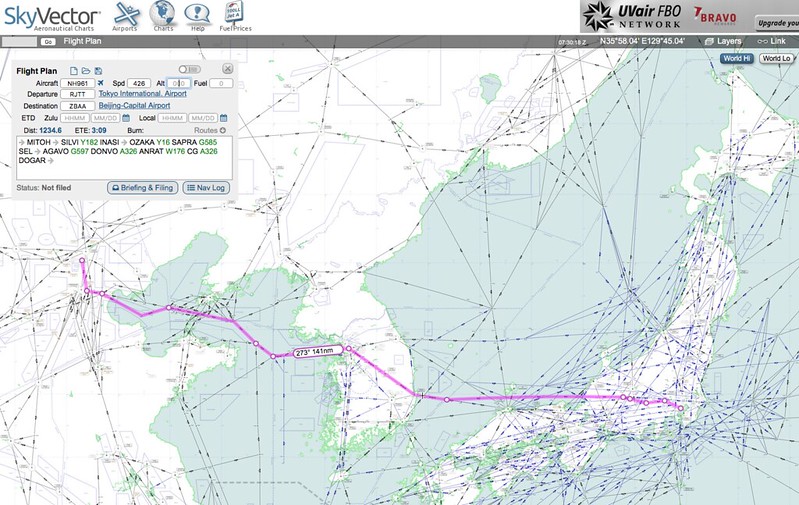
Early on, I checked the route on the AIP and drew it out on SkyVector.
 Since I wanted to photograph downtown Tokyo and Mt. Fuji, I booked a window seat on the left side.
The actual flight route turned out to be basically consistent with my prediction. The route was as follows: RJTT MITOH Tokyo Okutama Town Mitsuo SILVI Yamanashi Nirasaki Y182 INASI Ina City, Nagano OZAKA Otaki Village, Nagano Y16 SAPRA Over the Sea of Japan & Korea G585 SEL Seoul AGAVO Over the Yellow Sea G597 DONVO A326 ANRAT W176 CG A326 DOGAR Shengfang Town, Hebei Province ZBAA
Rushing to the International Terminal of Haneda Airport, following my usual routine, I first went to the rooftop observation deck to check out the airframe. I discovered that JA836A, the plane I was about to board, was quite special. It was the first Boeing 787-9 purchased by ANA for international routes in April 2015. I was really lucky to be able to fly on such a new aircraft.
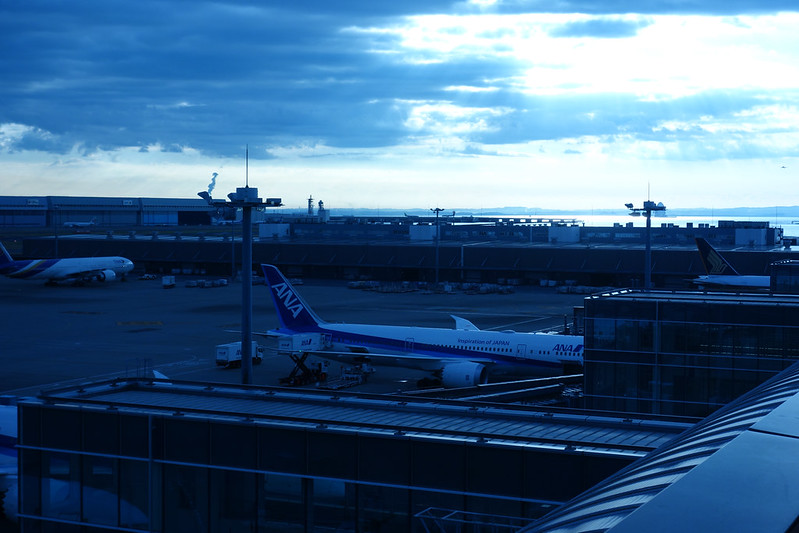 You can see the morning weather was a bit overcast with relatively low cloud cover.
However, as the temperature rose, the sky gradually cleared up.
You can see the morning weather was a bit overcast with relatively low cloud cover.
However, as the temperature rose, the sky gradually cleared up.
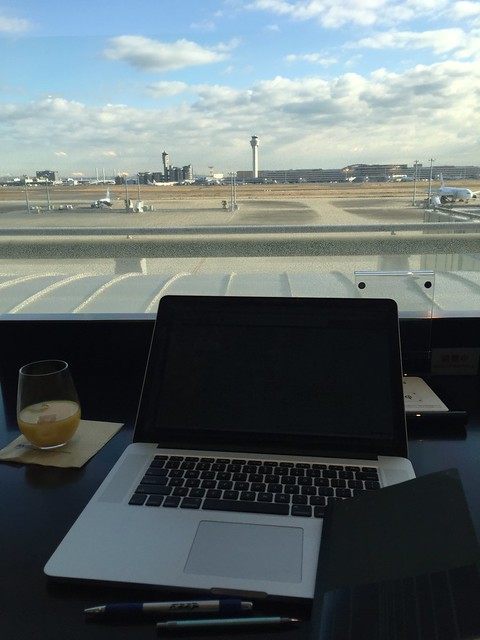 After completing check-in, I took a short break in the lounge.
Right in front of me were the Haneda Tower and Runway 34L/16R.
After completing check-in, I took a short break in the lounge.
Right in front of me were the Haneda Tower and Runway 34L/16R.
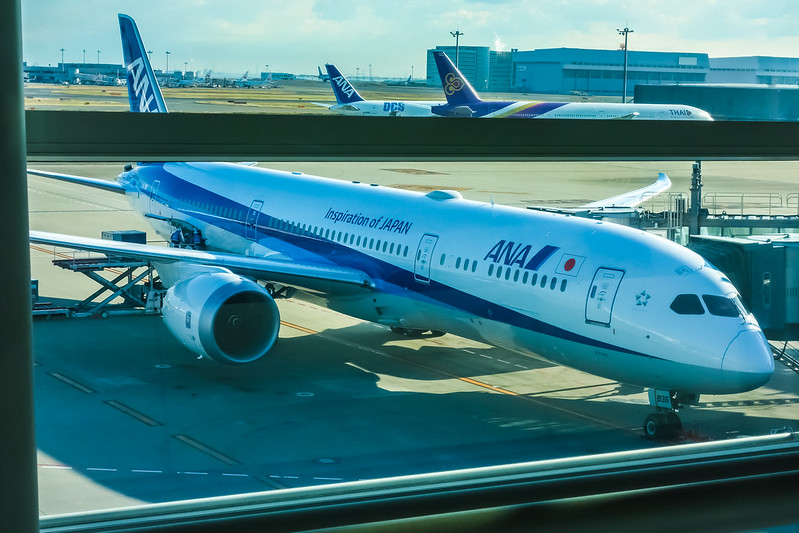
Before boarding, I took a photo of JA836A as a souvenir.
Looking from the Jet Bridge, the pilots seemed so close that I couldn’t help but take out my camera and snap a picture.
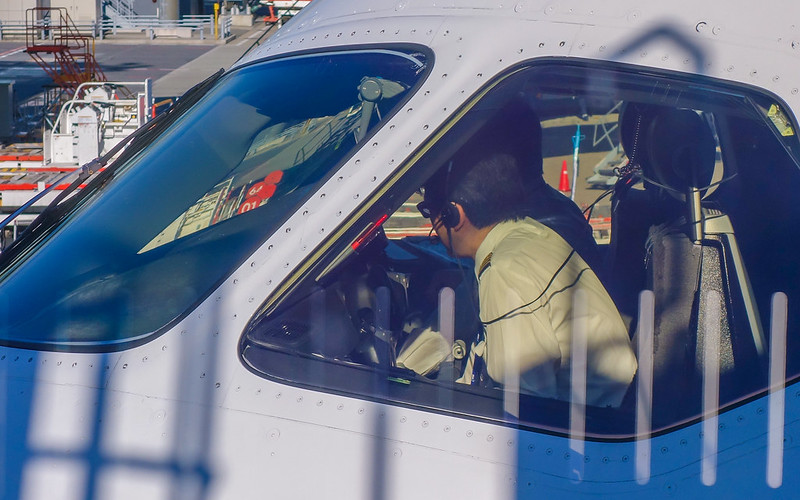 The throttle quadrant, control yoke, and the overhead display panel were all clearly visible.
The cabin seats were arranged in a 1-2-1 layout. One person occupied the space of two people on the older 777s—truly luxurious.
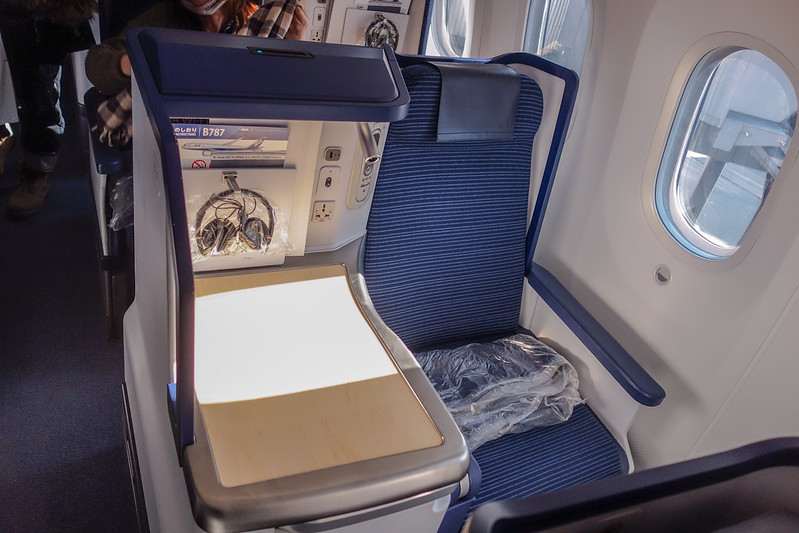
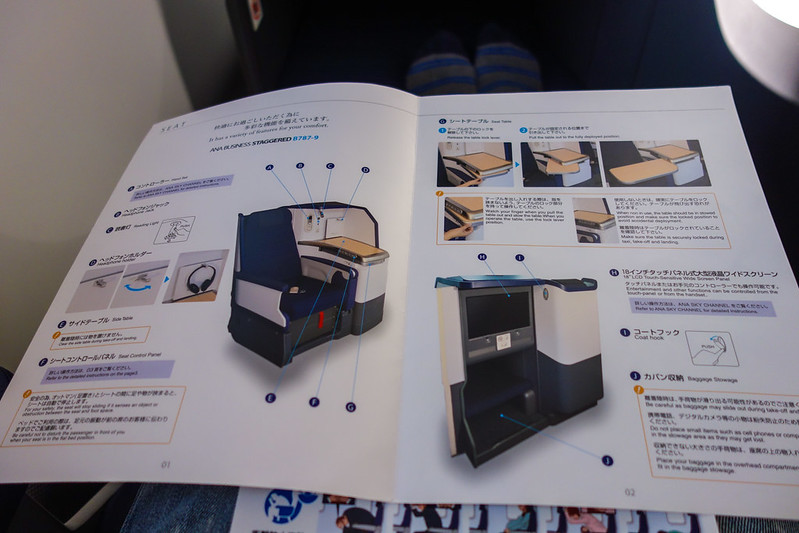
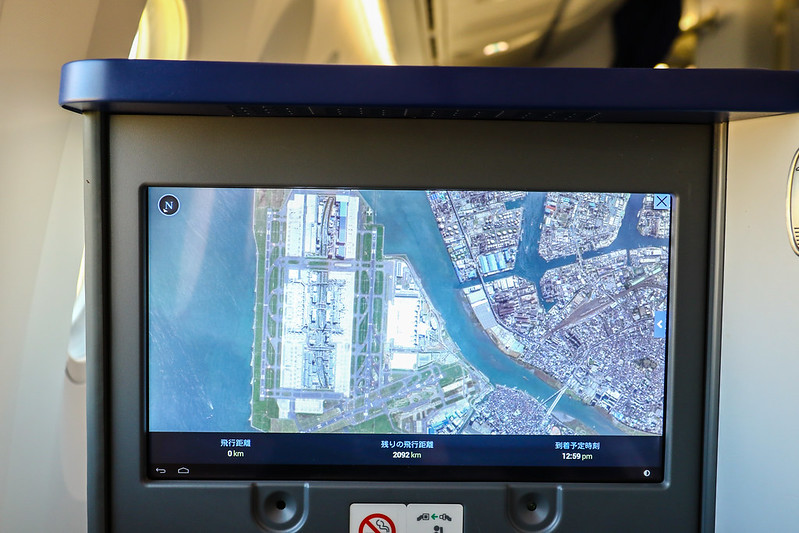
18-inch LCD screen. The in-flight entertainment system even had a pilot-perspective flight view mode, likely using Google Earth.
The weather for the day was as follows:
12003KT 9999 FEW030 08/M02 Q1014 NOSIG
Although it was an easterly wind, the wind speed was very low, so I guessed the Takeoff would still use Runway 34R.
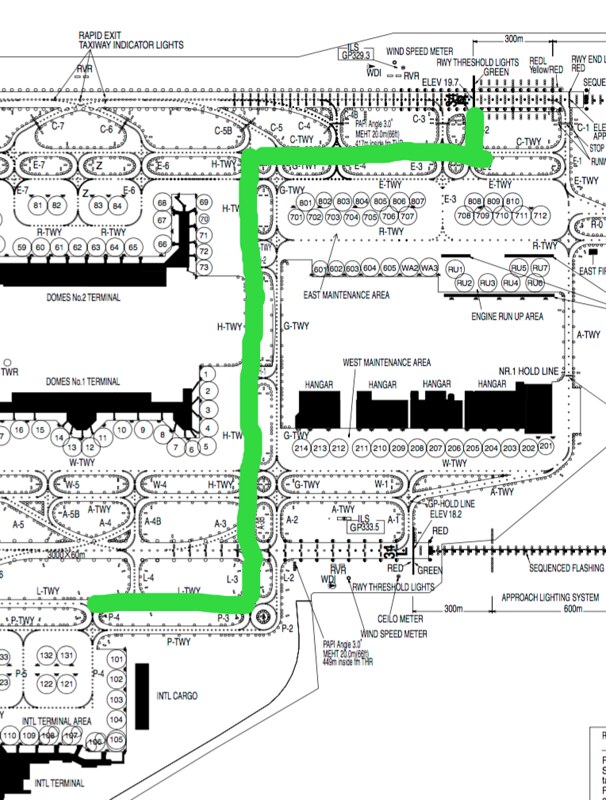
Sure enough, the aircraft taxied along Taxiway L, preparing to enter Taxiway H via L3.
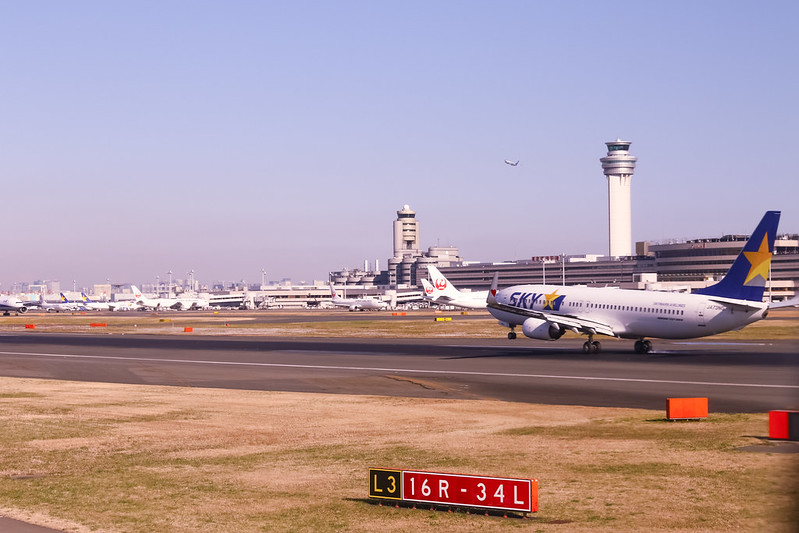 While waiting before crossing 34L, I captured the moment a Skymark Airlines 738 touched down.
Entering Taxiway C from Taxiway H, I took photos of the Localizer antenna, RVR equipment, and wind sock.
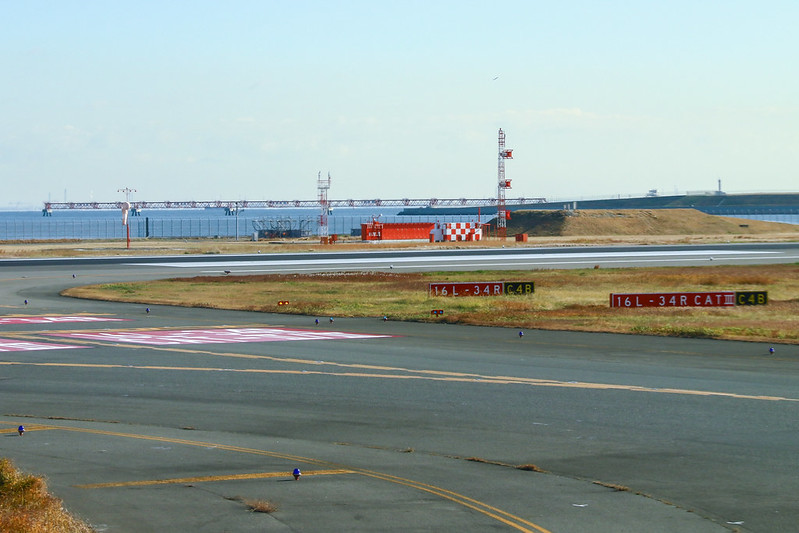 You can see that Runway 16L/34R is equipped with a CAT III ILS system.
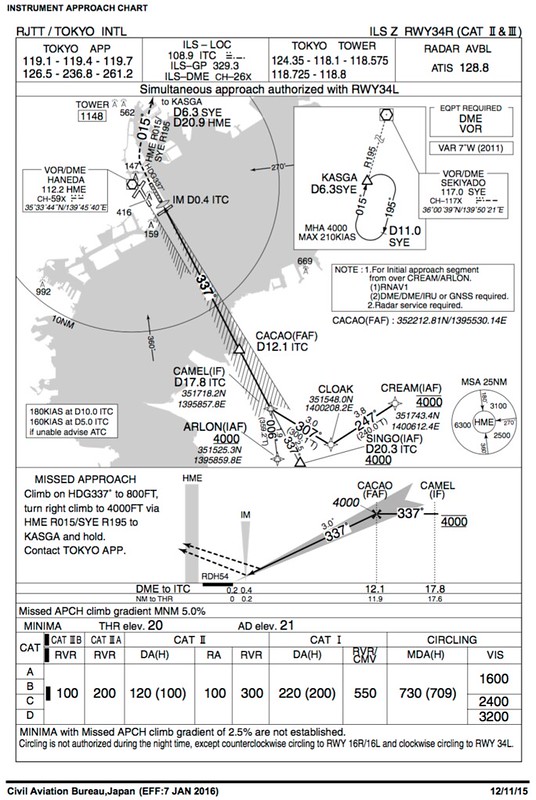 I checked the AIP later and saw that 34R can utilize Category IIIB Instrument Landing System (CAT IIIB) to the maximum extent,
allowing landings with a Runway Visual Range (RVR) of over 100 meters.
I checked the AIP later and saw that 34R can utilize Category IIIB Instrument Landing System (CAT IIIB) to the maximum extent,
allowing landings with a Runway Visual Range (RVR) of over 100 meters.
Waiting at C2 for the Air DO 767 ahead to take off.
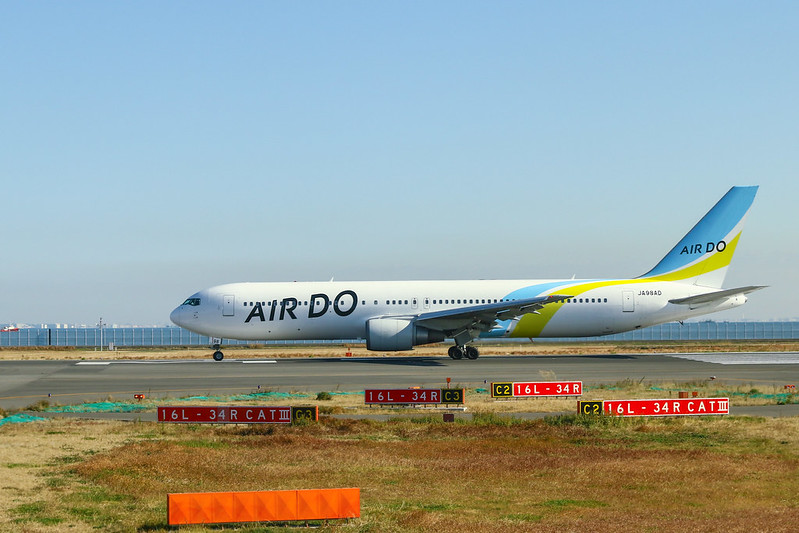
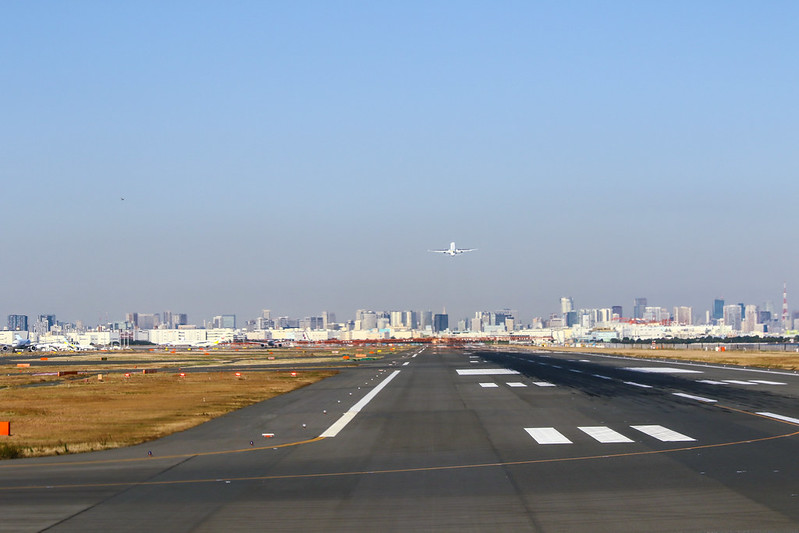
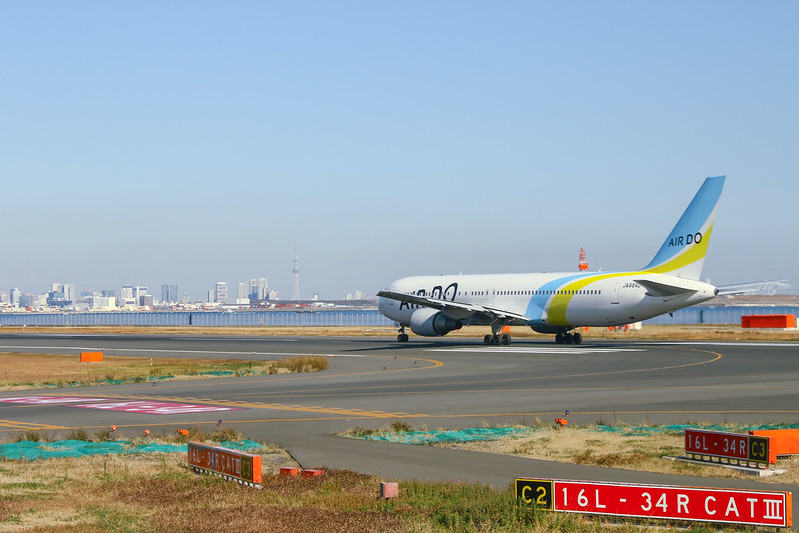 Then entering Runway 34R, at that moment, the 767 just rotated:
The taxi route after pushback from Gate 107 is shown below.
 Taking off from C2 instead of C1 indicated that since this was a short-haul international flight, the aircraft weight wasn’t too heavy, so there was no need to use such a long Runway.
Alright, finally ready for Takeoff. The aircraft accelerated to the midpoint of the Runway and began to rotate.
 Parked right in front of the Tower was this famous ANA “Pokemon Jet”. I immediately pressed the shutter.
On the Apron north of the east cargo Apron, there were several all-white airframes parked. I guess they had just been retired.
I wonder which country they will be sold to, or if they will be scrapped?
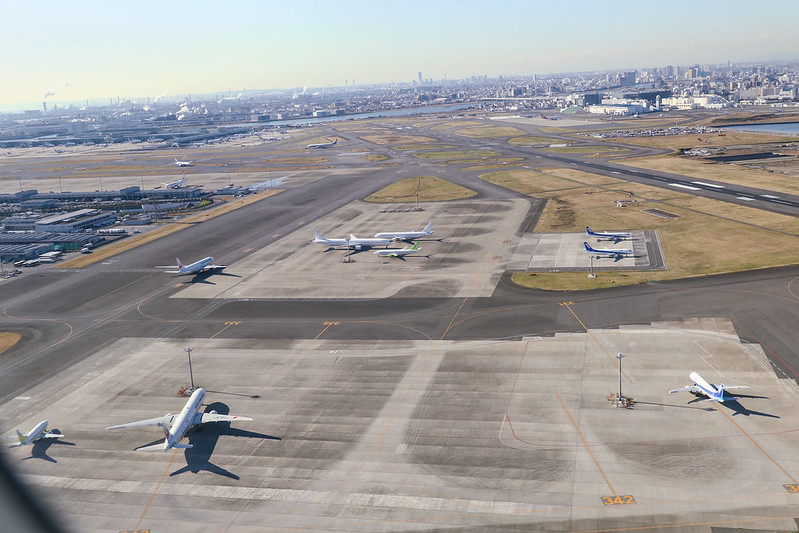
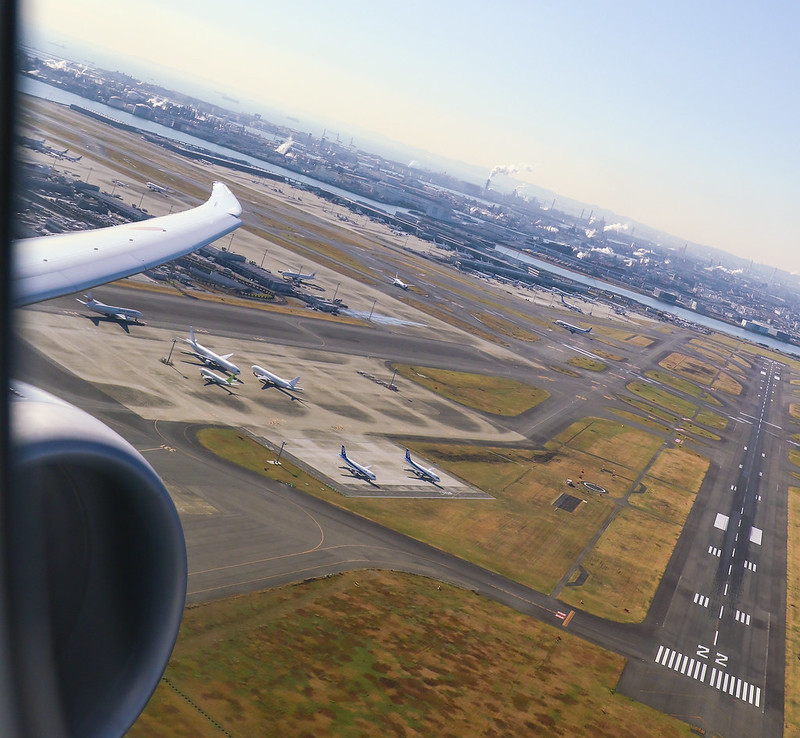
To the left is Runway 22. You can also see the famous Kawasaki industrial zone in the distance. The chimneys at these factories belch white smoke all year round.
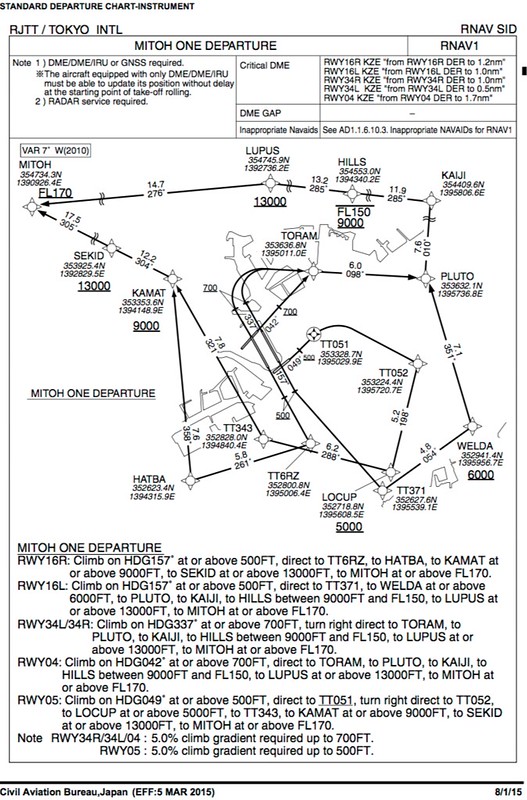
The Departure procedure was MITOH ONE. After climbing to 700 feet along the runway Heading 337, we turned right towards TORAM.
Then PLUTO KAIJI HILLS LUPUS MITOH.
The Climb to TORAM was the best opportunity for photography. A panoramic view of Tokyo was laid out in front of me. I set the camera to silent mode and kept pressing the shutter quietly.
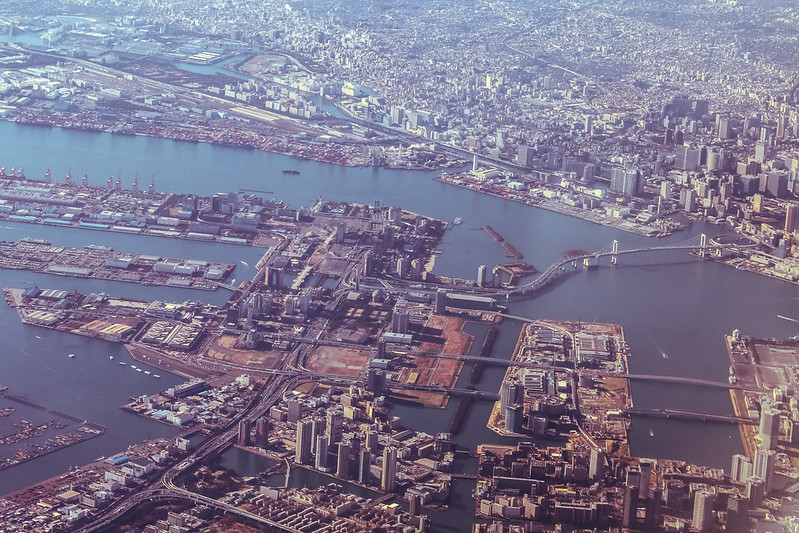
Starting the right turn, the Rainbow Bridge crossing Tokyo Bay was right before my eyes. The leftmost end is Roppongi, the center of the frame is the Shiodome area and Odaiba.
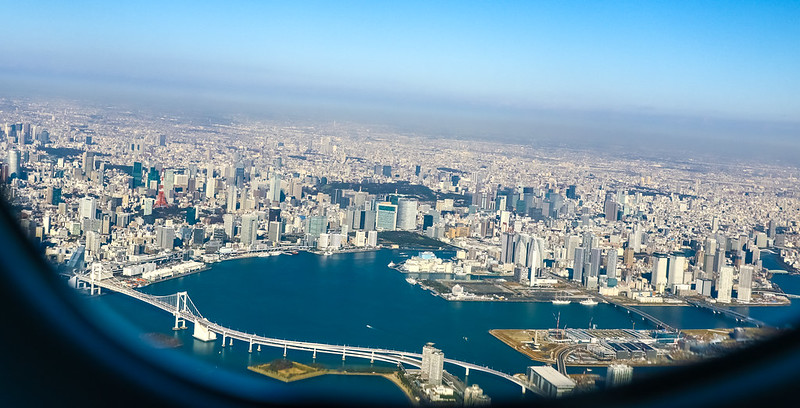
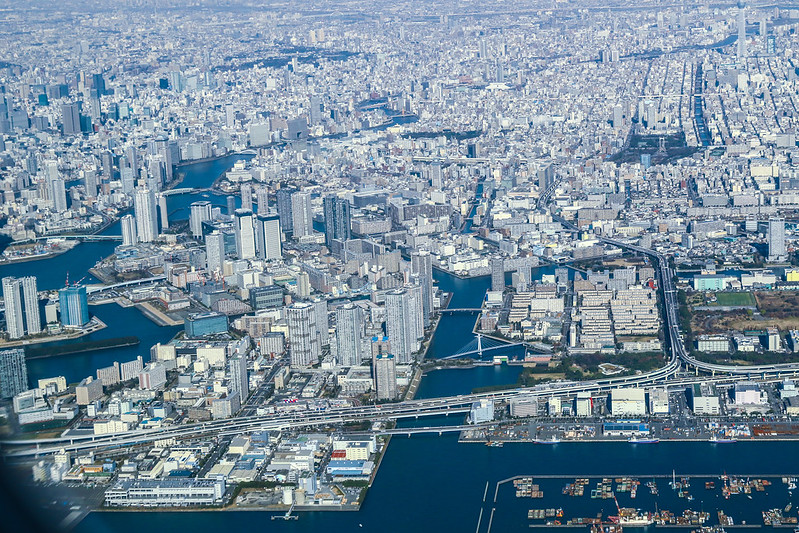
Approximately at the TORAM position, flying east. Before my eyes are the Koto Canal and the Tatsumi area. To the left is the Sumida River and the Toyosu Canal. In the top right corner, you can see part of the Tokyo Skytree.
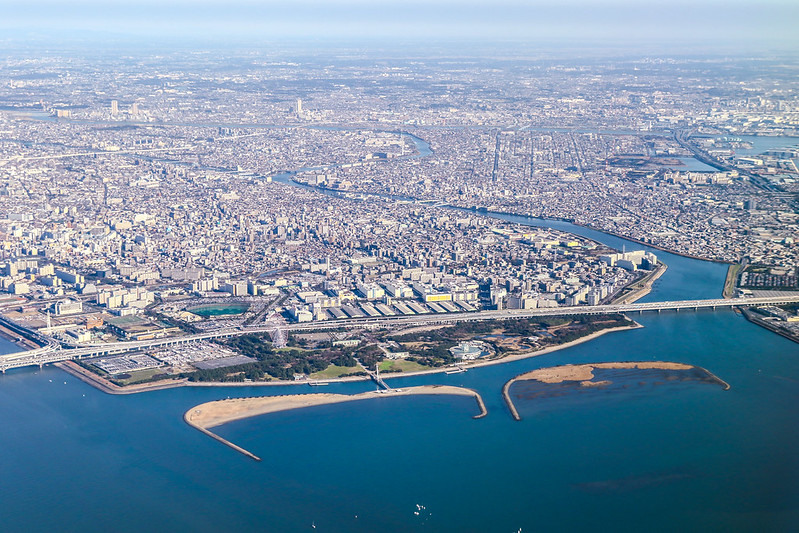
Continuing east, Kasai Rinkai Park.
Passing PLUTO and turning north, right before my eyes were the beautiful Tokyo Disneyland and DisneySea.
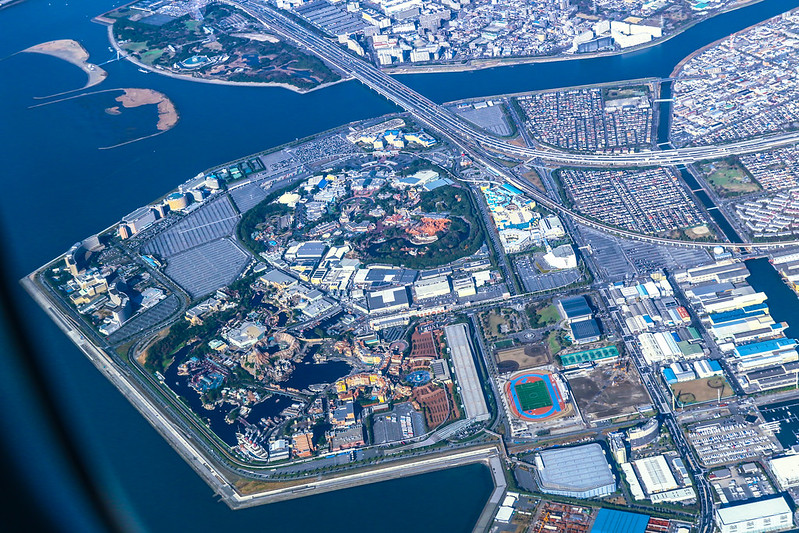
Flying towards the Waypoint KAIJI to the north, with Disney right below.
The left window faced Tokyo Bay, Odaiba, downtown Tokyo, and Mt. Fuji. This view could truly be called a “breathtaking sight.”
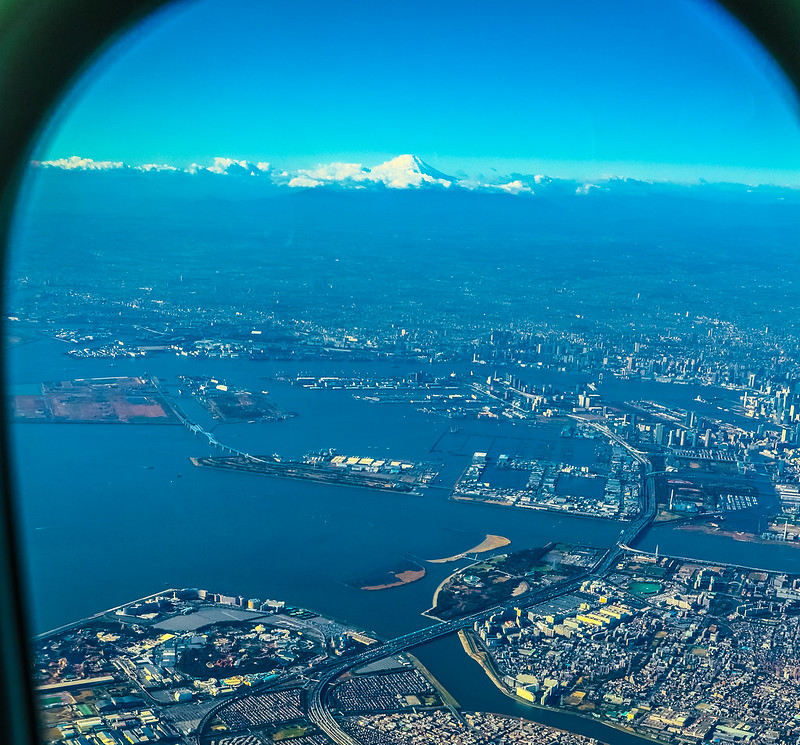
Turning left, then heading all the way west. I took a souvenir photo of Odaiba and the Rainbow Bridge.
Writing up to the Departure section, the length is already quite considerable, so I will separate the Cruise and Landing into another article. Tokyo Haneda-Beijing Flight NH961 Trip Report (Part 2)