Filming Vietnam Airlines A350-900 Takeoff
Following the previous post, the moment of departure has arrived. Below is a record of the series of processes from pushback to takeoff.
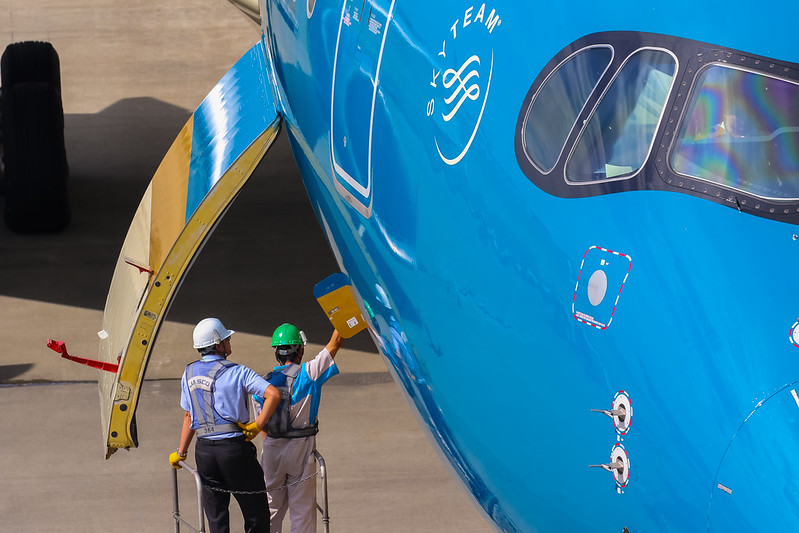
At 9:15 AM, cargo loading was complete, and ground crew began closing the cargo doors.
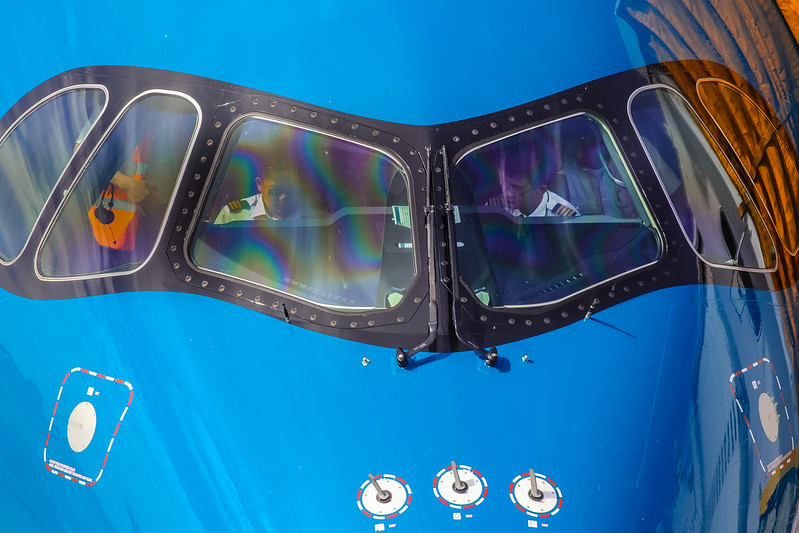
At 9:18 AM, two maintenance staff entered the cockpit with the loadsheet (weight and balance). The Captain and First Officer verified the data together.
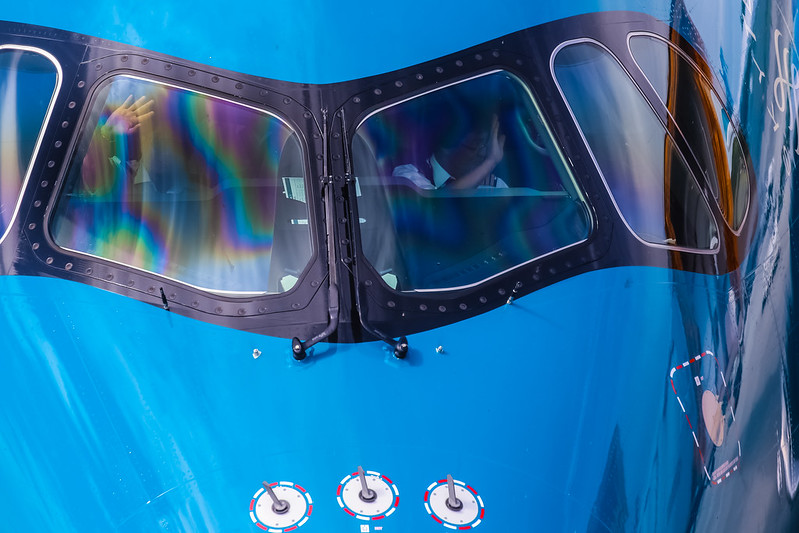
At 9:28 AM, the A350 began pushback on schedule. The pilots waved goodbye to the ground crew and the crowd on the observation deck.
At 9:29 AM, the A350 was slowly pushed onto the Taxiway. In the background, you can see the “NARITA” lawn sign at Narita Airport. Spot 25 is truly a precious photography spot.
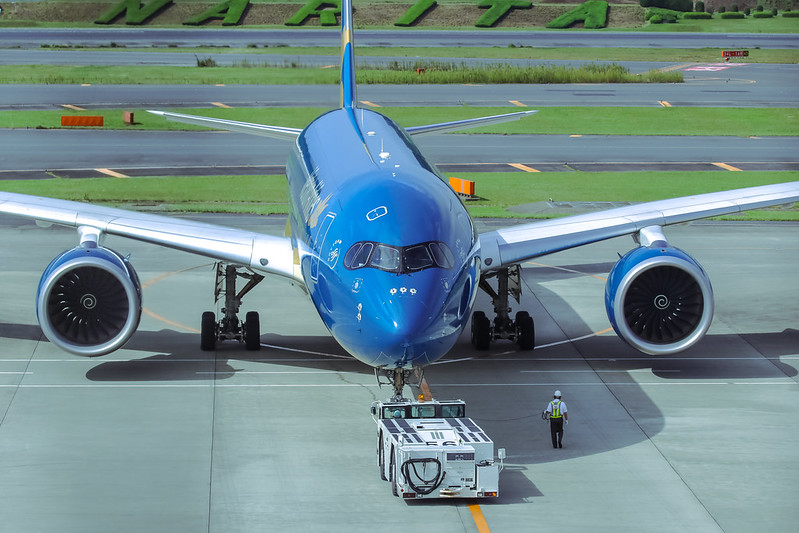
Basically at the same time, the engines started. You can see the left engine already spinning.
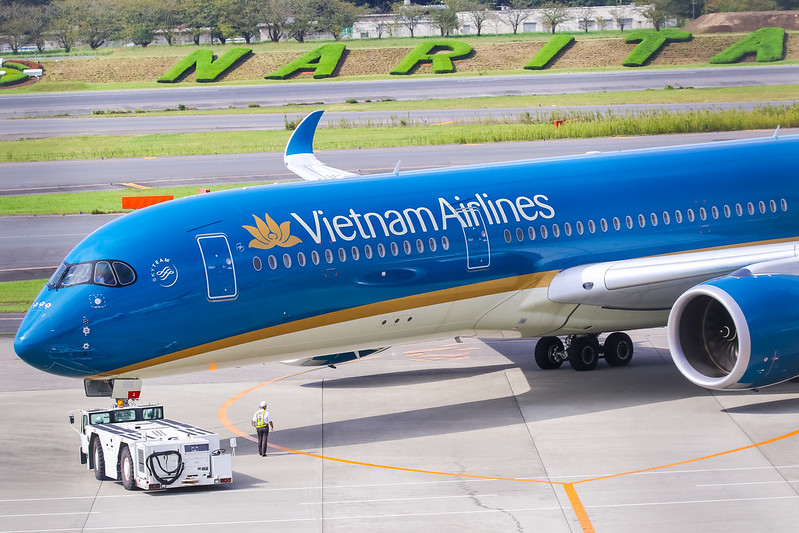
At 9:32 AM, the ground crew removed the tow bar from the nose landing gear. The tug drove away from the aircraft, and the crew removed the wheel chocks.
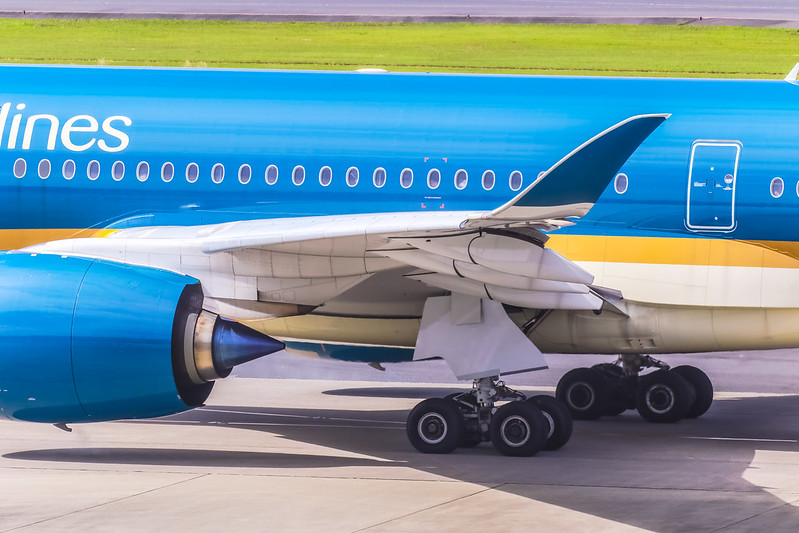
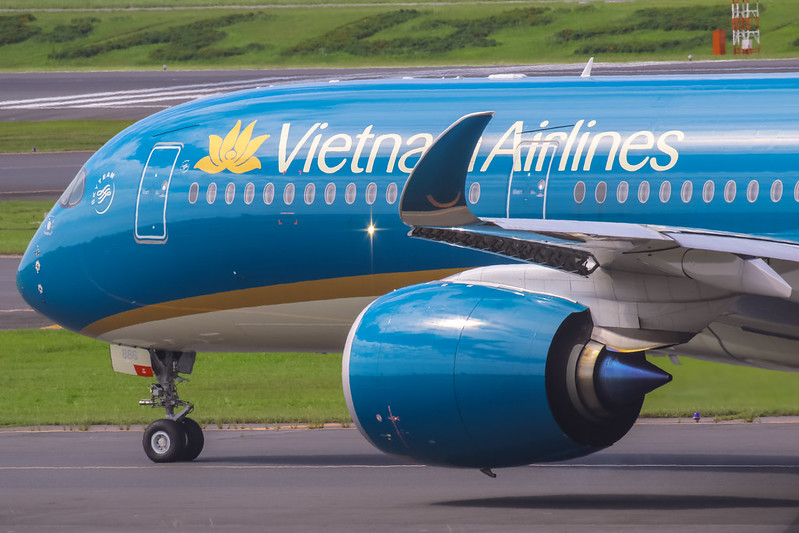
While waiting for taxi clearance from Ground Control for these few minutes, let’s take a closer look at the engine and Flap structure on the left side of the aircraft.
The engine tail cone is purple. Does this indicate that it is brand new and unworn?
Compared to the flap track fairings, the area of the blended winglets is relatively large.
Also, the slats have been deployed to the takeoff position.
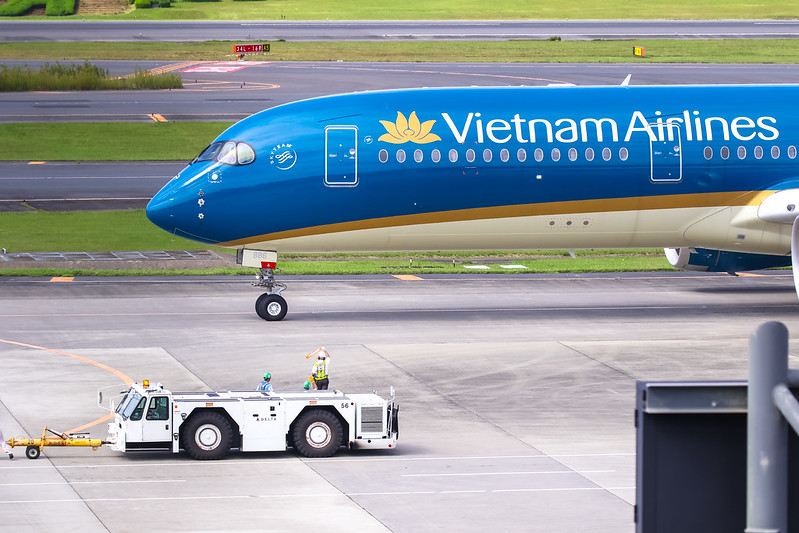
At 9:34 AM, after receiving taxi clearance, the A350 began taxiing using its own engines.
From this angle, you can observe the external lights on the front and middle sections of the fuselage illuminating. These are ENGINE SCAN LIGHTS and WING SCAN LIGHTS,
used to alert ground personnel that the engines are running and to maintain a safe distance.
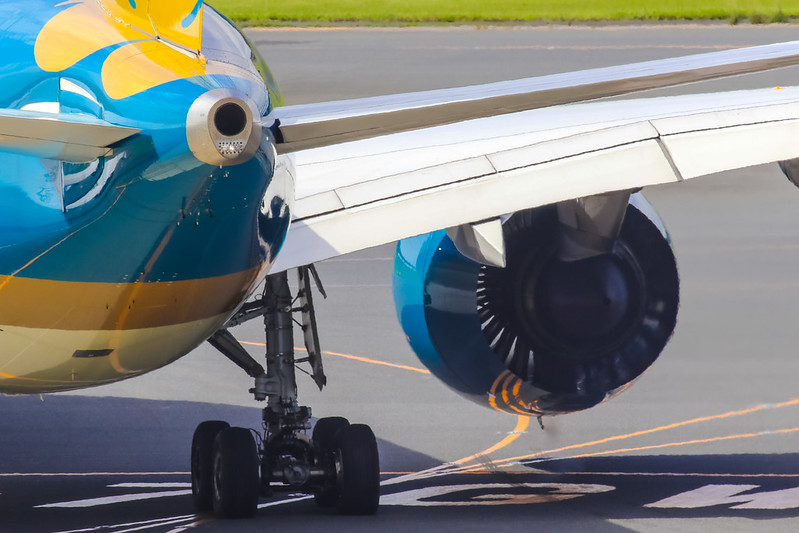
A commemorative photo of the tail.
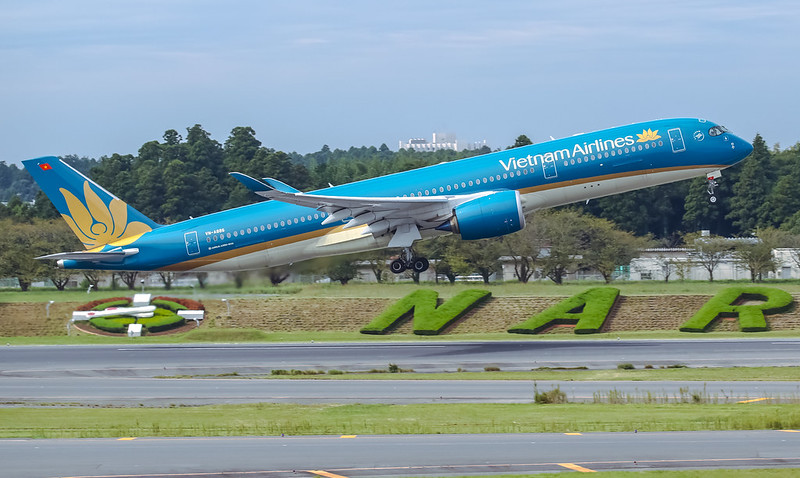
At 9:40 AM, takeoff clearance was received. The aircraft entered Runway 34L and continuously accelerated, then rotated right in front of us, resulting in the photo at the beginning of this article—a standard spotting-style aircraft shot.
The aircraft continued its Climb. However, perhaps due to the heavy load, the climb rate was not high. But this also provided us with better photography opportunities, allowing us to take more photos of the true side profile.
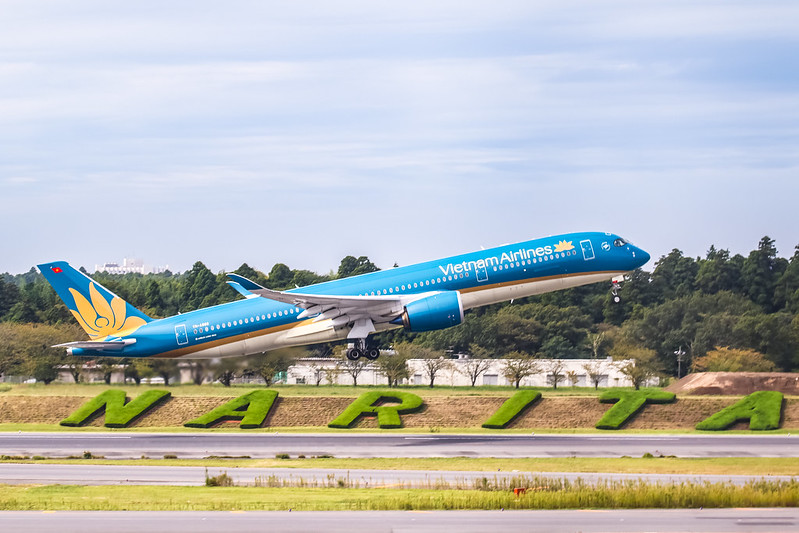
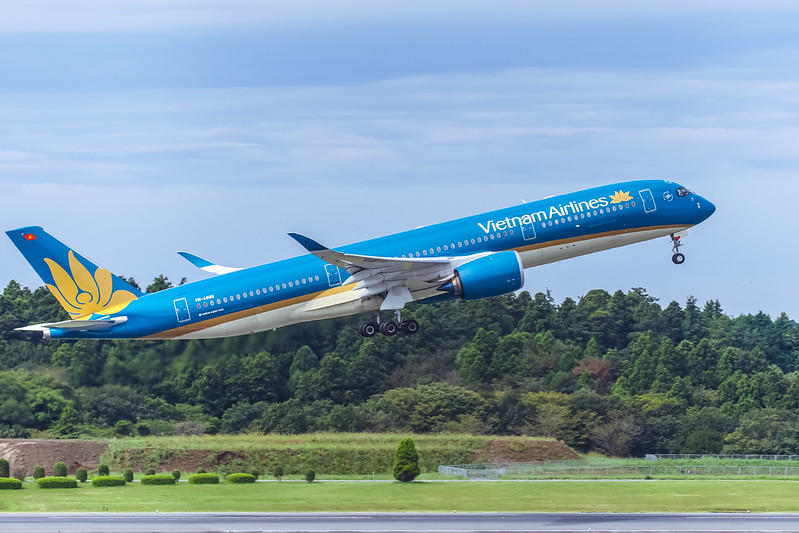
The landing gear doors opened. Looking at the A350’s wings, they don’t curve upwards like the 787’s, so it lacks some of the dynamic leaping feel. Of course, fuel factors in the wings must be considered, but seeing it lift off using less than 2/3 of the Runway length, the fuel load probably wasn’t full.
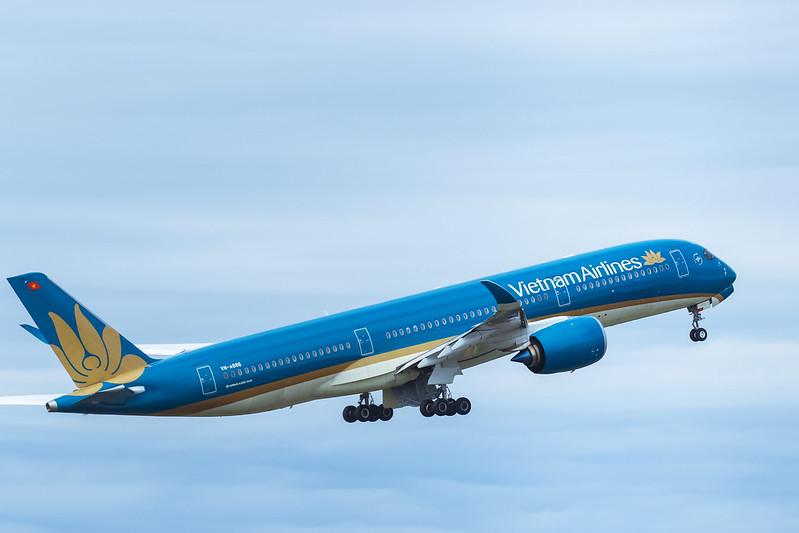
Retracting the landing gear. You can see the nose gear retracting forward and the main gear retracting outwards.
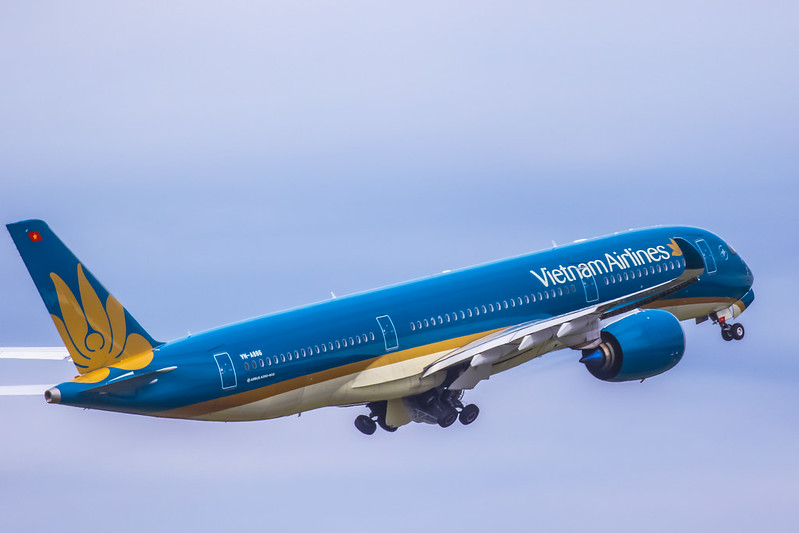
The A350 gradually flew out of sight, and the aviation enthusiasts who came specifically to see its first commercial flight to Japan began to disperse. However, since we were already here, we decided to stay and continue spotting at Narita for a while. The result was a bountiful harvest. I will organize these photos slowly when I have the chance in the future.
End