Five Schools of Aviation Photography
An article in the Airliner magazine I have on hand categorizes common aviation photos into five major types. I found it quite interesting, so let me give you a brief introduction.
School 1: The Contextual School Photos in this category integrate the aircraft with the surrounding environment to form a distinct theme. As a result, the photos tend to be narrative and emotional, effectively expressing the photographer’s mood and intent. For instance, utilizing natural landscapes like grasslands, forests, lakes, and mountains—whether it’s sunny, foggy, windy, rainy, or snowy—placing the aircraft within a vast environment easily creates a strong sense of imagery. The following photo is quite representative:
VIRGIN 最後の秋 pic.twitter.com/31oLpT547e
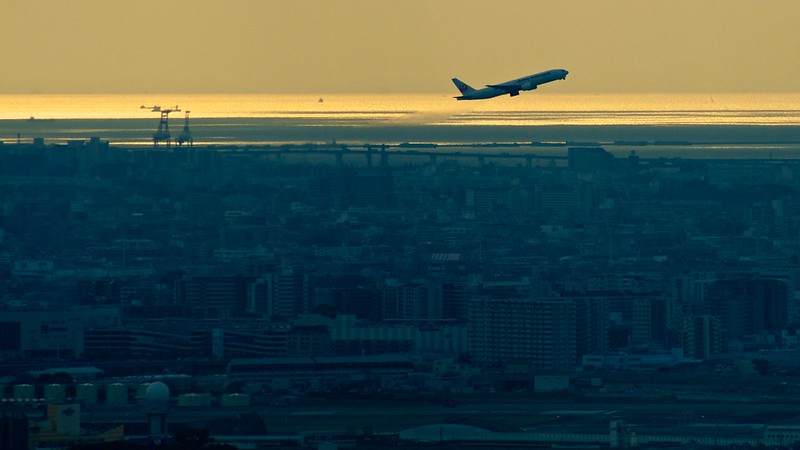
— どら猫 (@ANYTIME_BABY) October 12, 2014Among the photos I’ve taken myself, I wonder if this one counts as this style? It was taken on an afternoon in early winter, with Osaka Bay as the backdrop, capturing a JAL 777 that had just taken off from Itami Airport from atop Mt. Minō. A ray of sunlight reflected off the sea through the clouds, bringing us a touch of warmth.
School 2: The Night Shot School Works in this genre are primarily shot at airports, utilizing lights from the aircraft or within the airport to achieve special effects. Especially by using techniques like long exposure, panning, and special filters, one can achieve many unexpected effects. For example:
Happy night🌌 @chacachu @Silvanabfer @tnttgn @ReebecaPalacios @airwaysgeorge @nicobarrosll @eHardinda @MarkRWheeler2 pic.twitter.com/cBlkKhiUjE
— ✈Jose Trochez✈ (@CaptJoseTrochez) October 14, 2014伊丹空港にて。銀河鉄道みたいで撮ってて飽きませんね。 pic.twitter.com/Zl0KcJLrHn
— たけし (@tttks) October 12, 2014"@Exelmans75: #FF_Super_Spécial @flybyday63 😘💐 pic.twitter.com/fxDvz4RXyl"
— plan woman (@otgoonoo1) August 30, 2014本日雪レフの厚木2。ナイトでSS1秒以上での流し撮り。露光中は肉眼で追うしかない。普通やらない。笑 pic.twitter.com/BxA8D8RUmJ
— Hiroshi.N (@canon_hiroshi) February 11, 2014I rarely use a tripod, so I seldom take this kind of night photography. I’d like to try it out if I get the chance in the future.
School 3: The Telephoto School
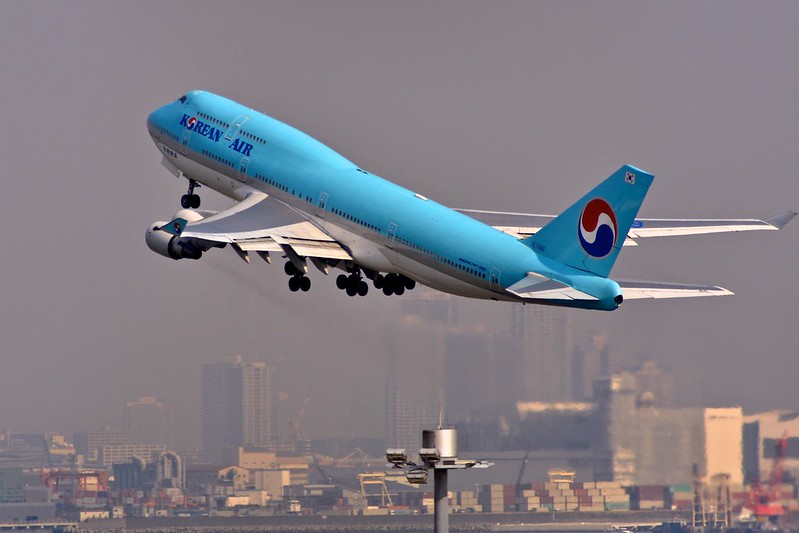
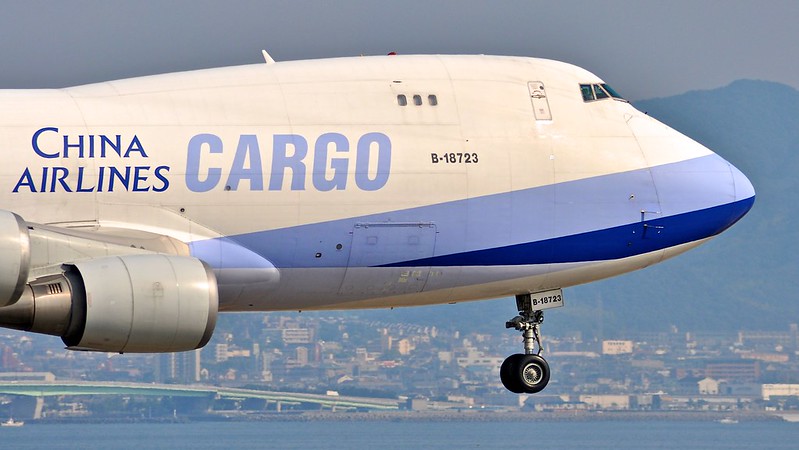
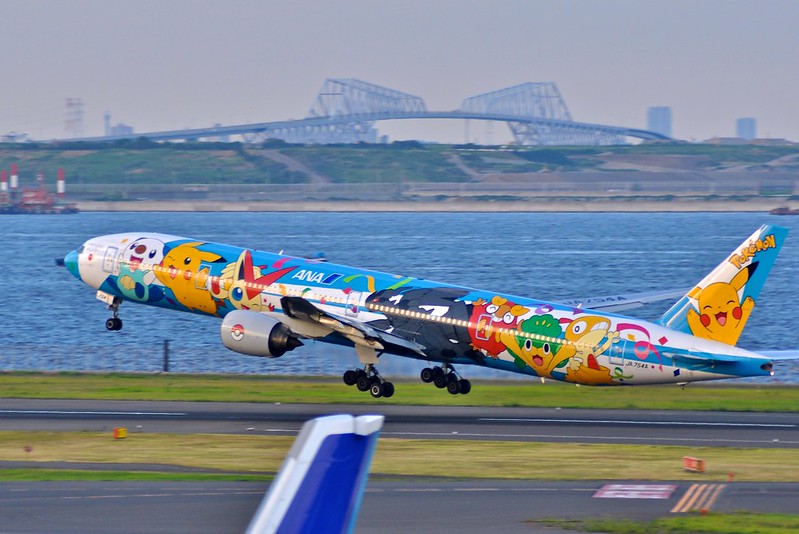
As the name suggests, this school mostly uses telephoto lenses of 300mm or longer, allowing for the capture of many details of the aircraft. There are plenty of such photos online, so they don’t need much introduction. I’ll just post a few of my own photos below—you can say they are just passable…

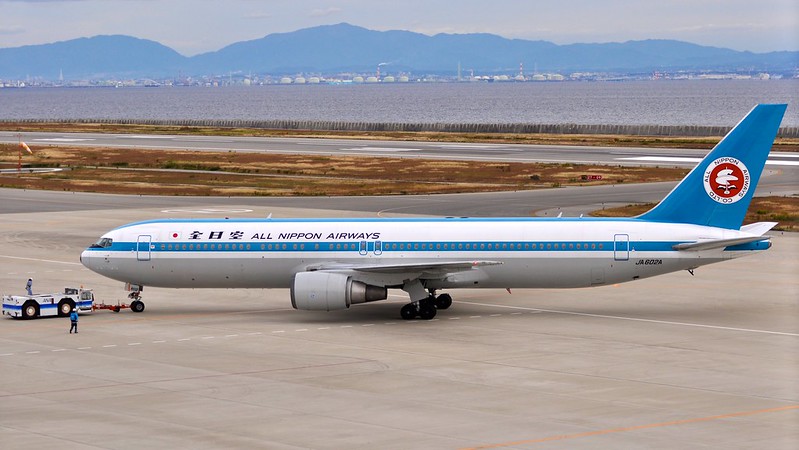
School 4: The Spotter School This type of photo is commonly seen on websites like airliners.net. The style is relatively traditional and conservative with many requirements; for instance, the registration number must be clearly visible, the entire aircraft body must be visible, and no part can be obstructed, even by ground support vehicles. Additionally, distortions caused by lens aberration—common when using wide-angle lenses—are also intolerable.
I took this photo of an ANA 767-300 in the “Mohican” livery; it should be considered qualified, right?

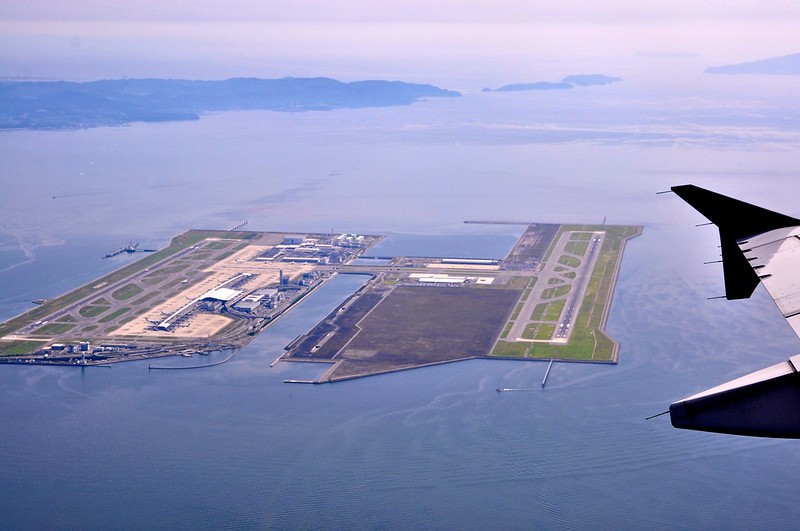
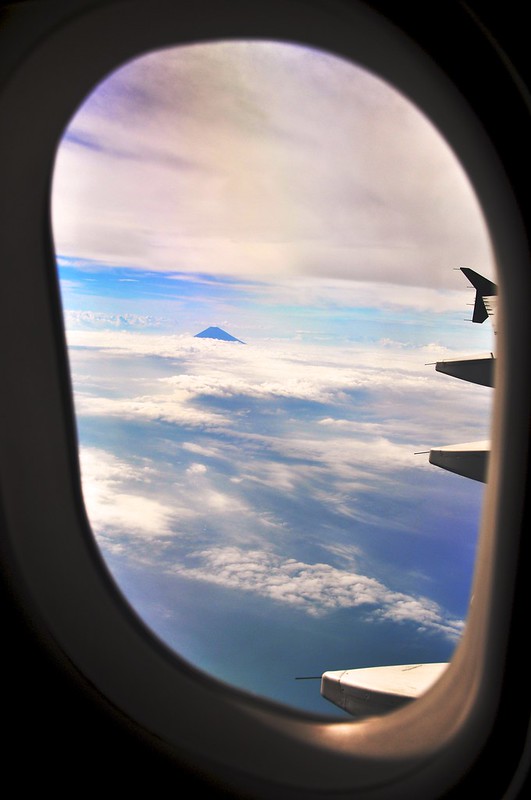
School 5: The Cabin School There are also many photos of this type, mainly taken by passengers shooting the scenery through the aircraft window. Generally, parts of the aircraft like the wing, engine, or window frame are included in the frame as reference. Of course, cabin equipment, seats, aisles, etc., are also popular subjects. Furthermore, photos taken from the cockpit have become more common recently.
RT: "@mohdasire1: "@MarkRWheeler2: Have a lovely night tweeters pic.twitter.com/NiYuZW7XCg"" Lovely!!!
Good friday night friends!!!
— Txelba (@Chelbacheb) October 4, 2014Here are a few of my own. What do you think?