787-8 VS 787-9
Watching the video of the 787-9 released at the Farnborough Airshow, it is incredibly cool. It is powerful, climbing almost vertically like a fighter jet, yet sometimes light and agile like a small general aviation aircraft.
So, what are the specific differences between the 787-8 and 787-9? I checked Boeing's official website and excerpted the information below.
| Item | 787-8 | 787-9 | 787-10 |
| Passengers | 242 | 280 | 323 |
| Range | 7850nm 14500km | 8300nm 15372km | 7020nm 13000km |
| Fuselage Width | 5.74m | 5.74m | 5.74m |
| Wingspan | 60m | 60m | 60m |
| Length | 57m | 63m | 68m |
| Height | 17m | 17m | 17m |
| Cruise Speed | Mach 0.85 | Mach 0.85 | Mach 0.85 |
| Cargo Volume | 4000 cubic feet | 5400 cubic feet 153 cubic meters | 6187 cubic feet 175 cubic meters |
| Max Takeoff Weight | 227 tonnes | 252 tonnes | 252 tonnes |
| EIS | 2011 | 2014 | 2018 |
As you can see, the biggest difference between these models is the fuselage length, which results in different passenger capacities. The 787-9 has 16% more capacity than the 787-8, and the 787-10 has 15% more than the 787-9. However, the weight of the 787-10 is about the same as the 787-9, but its range is significantly reduced, indicating that the fuel tanks are much smaller.
The method to distinguish between these two types from the outside should be to count the number of windows between the first two doors. The 787-9 has more windows, and there is a gap in the middle.
787-9と787-8の違い☆ →https://t.co/SILB8u504S pic.twitter.com/agvpIj0Ej7
-- ANA旅のつぶやき【公式】 (@ANA_travel_info) August 4, 2014
I also found a comparison chart online for the twin-engine wide-body airliners, including the B787, A330, A350, and B777 series, which is very useful for reference.
In terms of size, the general order is: 787 < 330 < 350 < 777.

Updated August 10, 2014
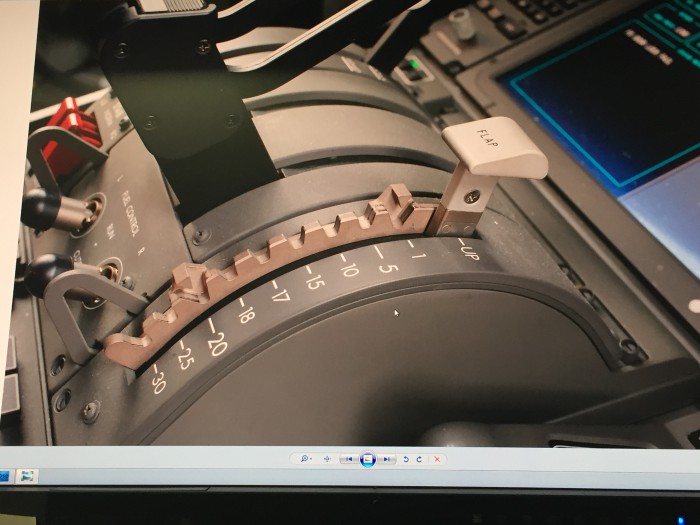
According to this interview article about the ANA 787-9, we can learn more details. For example, the Flaps positions on the 787-9 have increased by several settings compared to the 787-8. The 787-8 has positions 0, 1, 5, 15, 20, 25, 30, while the 787-9 has added three settings: 10, 17, and 18.

Also, the leading edge of the 787-9's horizontal stabilizer is equipped with HyBrid Laminar Flow Control (HLFC), which reduces aerodynamic Drag by 0.5%, saving 22 tonnes of fuel per year.

The main landing gear features a new "Early Doors Function". One second after takeoff, the gear doors automatically open. When the pilot pulls the landing gear lever, moves it to the Up position, the wheels retract immediately, shortening the time the landing gear is exposed. This reduces aerodynamic Drag and improves takeoff performance. Consequently, on the same Runway, the 787-9 can achieve a greater cargo load.

Postscript
2016/06/13
A clearer photo of the 787-9's Flaps slots. The original article is here.