A Visit to Kansai Airport RJBB
I went to Osaka on another business trip recently. On my way home, I decided to fly back to Tokyo from Kansai Airport, taking the opportunity to wander around the airport and take some photos.
I departed from Osaka Station in the morning and took the “Kanku Rapid” train bound for the airport from Platform 1. It takes just over an hour to get there. It is important to note that some train services split at an intermediate station; the front 4 cars go to the airport, while the rear cars go elsewhere, so be sure not to board the wrong carriage. On the train, I met Mr. Dong and his family from Taiwan, who were traveling to Osaka and Kyoto. We chatted all the way and had a very pleasant conversation.
Upon arriving at the airport, I took the No. 1 bus to the Airport Observation Deck. I have introduced this observation deck before; the link is here, so I won’t go into details.
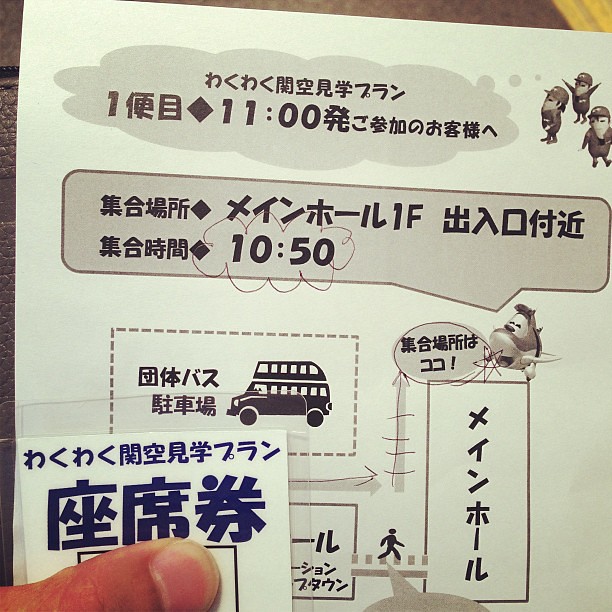
After leaving the observation deck, I completed the registration procedures and paid a 500 yen fee (30 RMB). The airport tour is called the “Wakuwaku Kanku Observation Plan” (Exciting Kanku Tour). You can take a bus into restricted areas of the airport that the general public cannot enter, such as the cargo area, fuel storage area, in-flight catering area, and near the approach lighting of the north Runway. A guide provides explanations throughout the one-hour tour.
Admission Ticket:
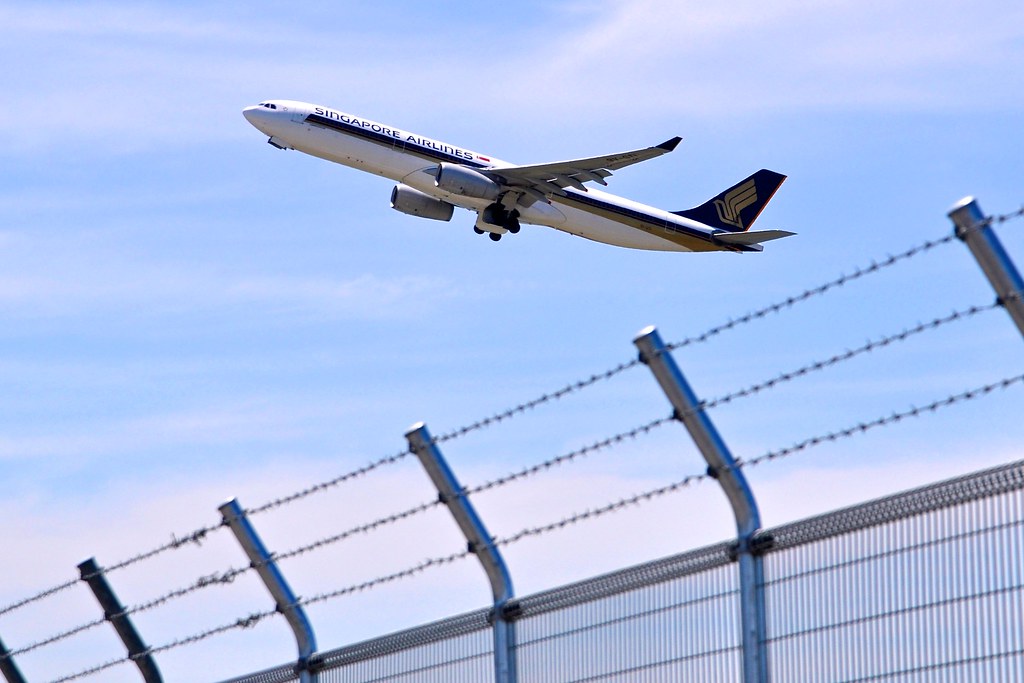
Viewing a Singapore Airlines A330 that just took off from the cargo area:
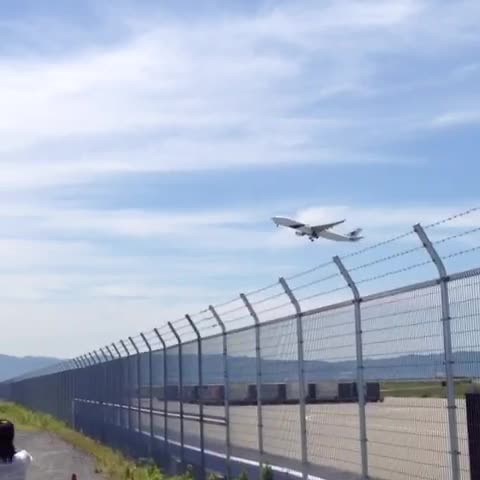
Video from the same location, shot with iPhone 5:
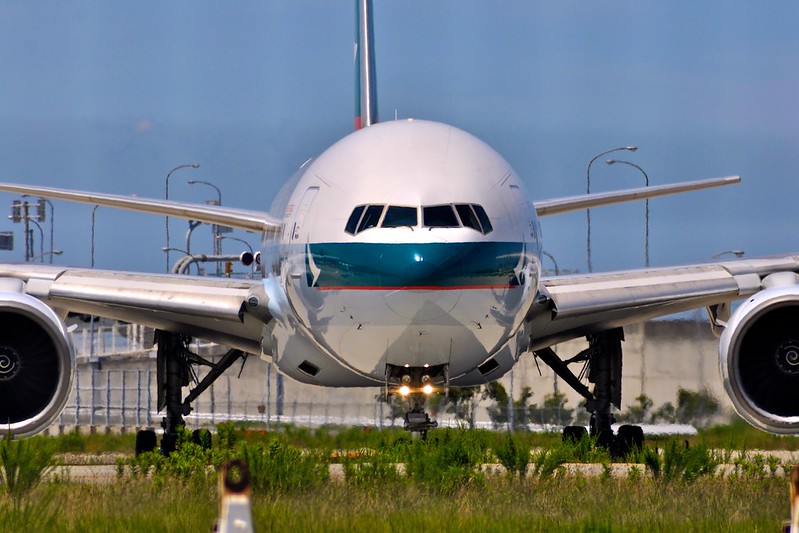
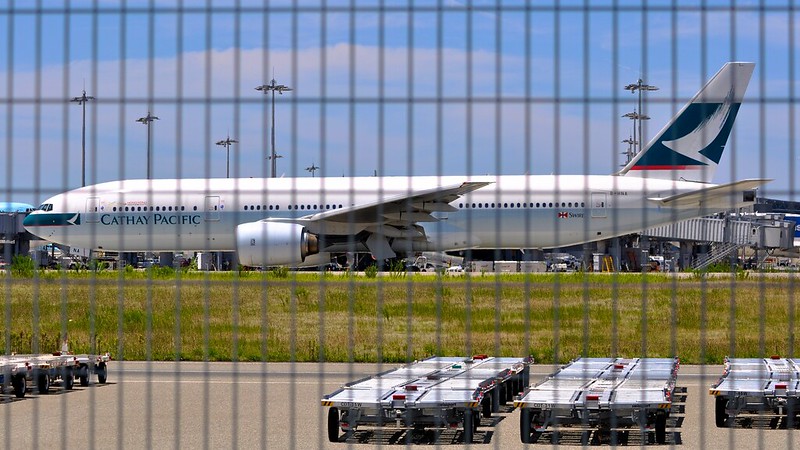
Viewing a Cathay Pacific Boeing 777 pushing back from the Jet Bridge from the cargo area. Shot from this angle, it looks truly imposing:
A China Airlines Boeing 747-400 near Terminal 2:
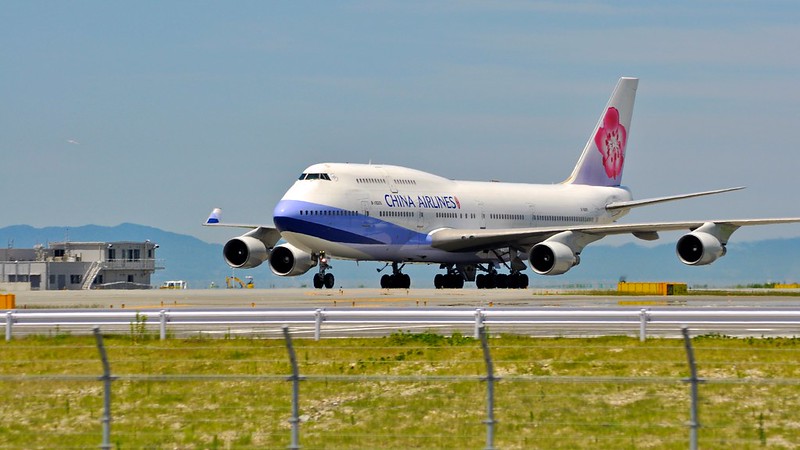
If this were a regular airport, you might be able to get this close by walking near the airport perimeter. However, since Kansai Airport is built on a reclaimed island, you cannot capture photos from this angle unless you are in a restricted area like this. By the way, there is a small terminal for private planes next to Terminal 2. I heard the parking fee is 200,000 yen per hour, which is about 2,000 USD. Absolutely staggering.
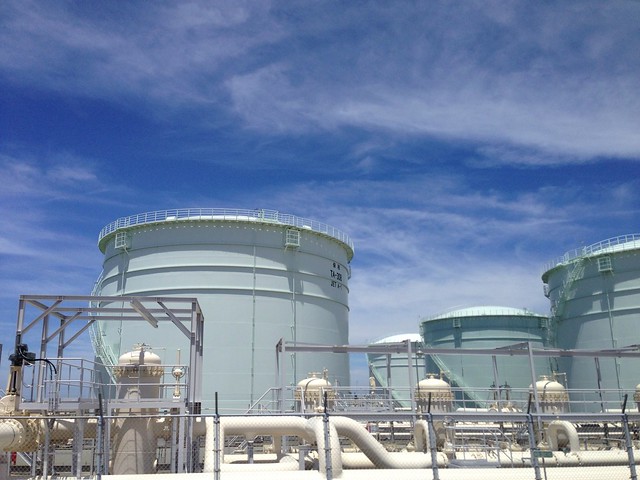
Huge fuel storage tanks. According to the guide, one tank can fill up 60 Boeing 747s, and there are 10 tanks of the same size here.
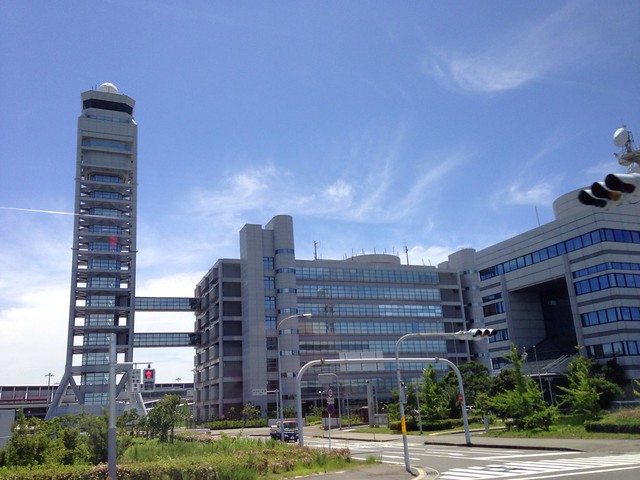
The Control Tower and the airport staff building.
Weather radar. The weather was extremely clear with blue skies and cirrus clouds. It was very refreshing.
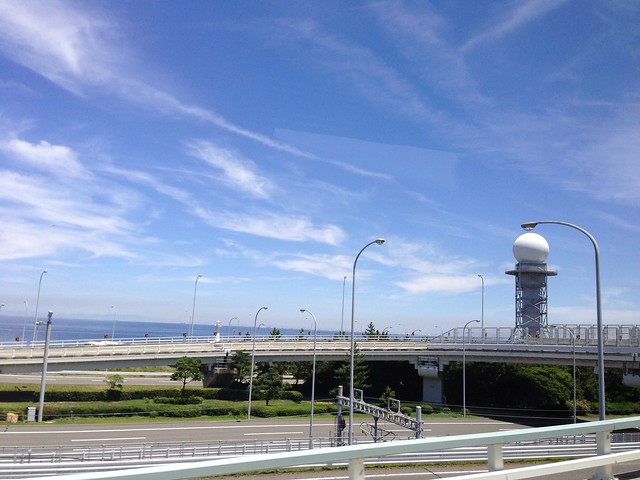
The tour ended, and since my flight departure was still 3 hours away, I returned to the Observation Deck to continue shooting aircraft.

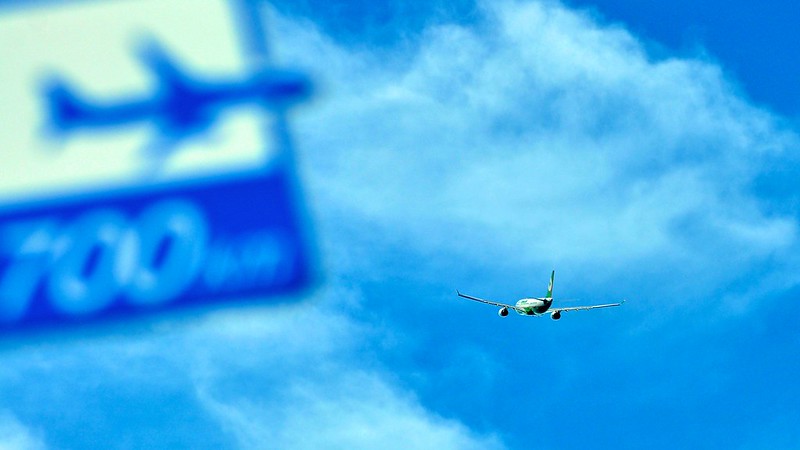
I got quite a harvest that day. Here are a few selected shots.
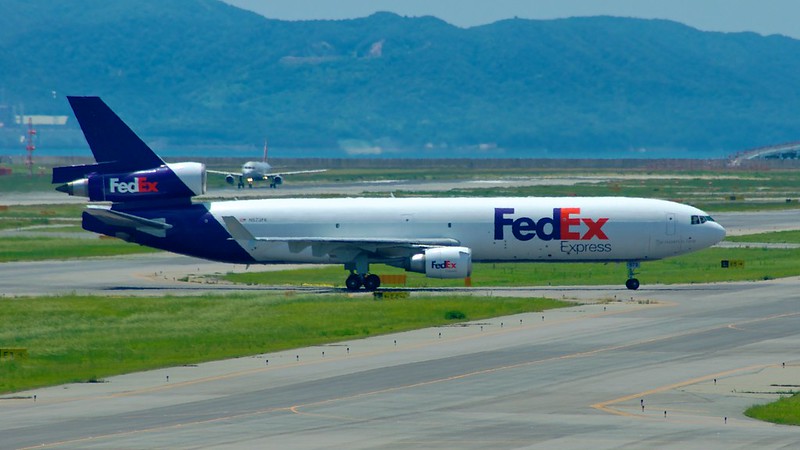
A FedEx McDonnell Douglas MD-11 is quite rare. I saw it land right after I arrived. My luck was really good.
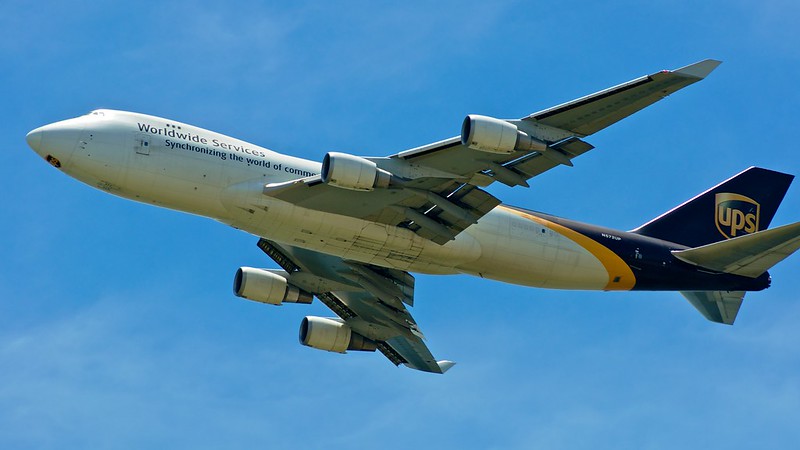
A UPS Boeing 747-400 just took off. Four-engine aircraft always look so magnificent.
By the way, the Runway in use that day was basically 06R, but there were occasional takeoffs and landings on 06L. When I came last time, 24L was in use, so I mostly took photos before landing. This time, I took more photos of takeoffs, and the weather was great, so I am very satisfied.
I used a wireless receiver to focus on listening to Delivery, Ground, and Tower frequencies. I felt the ATC pronunciation was quite good. After all, there are many international flights here, and the controllers’ English pronunciation seems to be more standard than that in Nagoya.
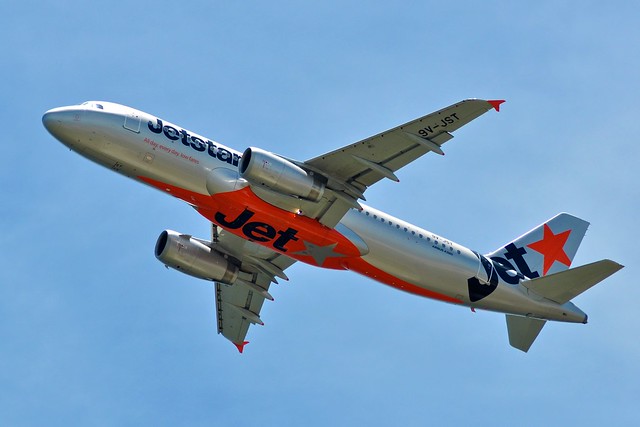
Continuing with photos, JetStar is an LCC using all A320s. The silver livery is quite beautiful.
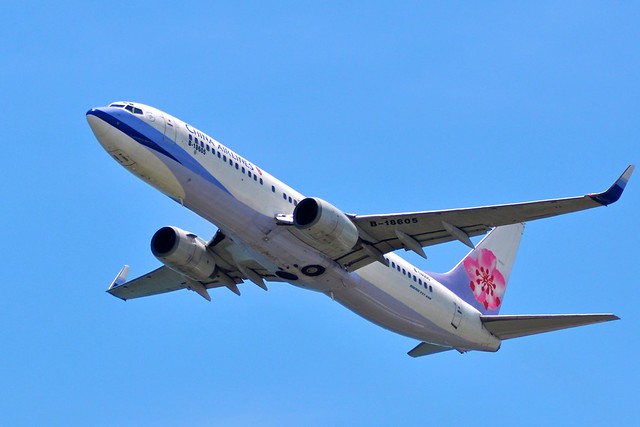
This is my first time seeing a China Airlines Boeing 737-800:
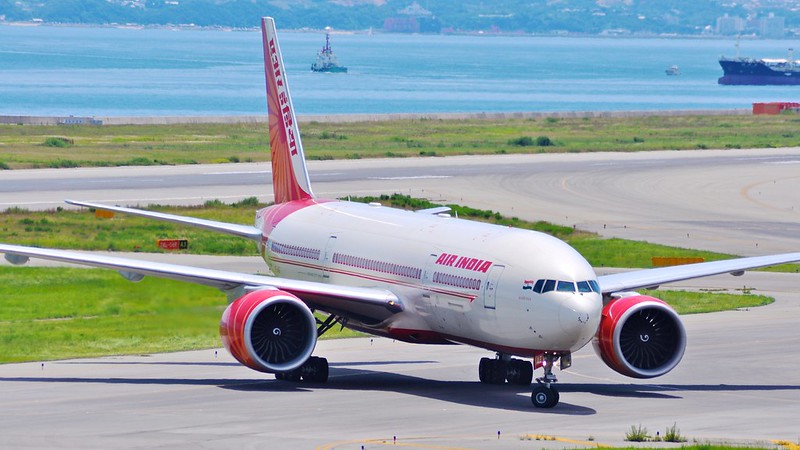
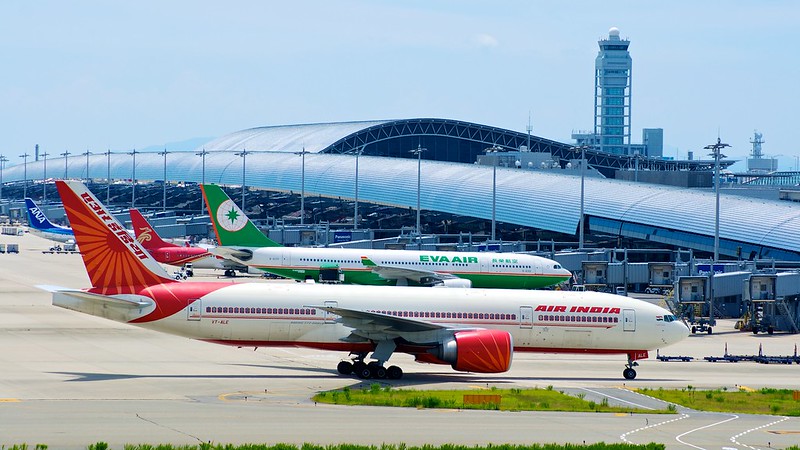
The next two photos show an Air India Boeing 777-200LR. This is also a rare aircraft type.
The Boeing 777-200LR was developed based on the 777-200ER (ER: Extended Range).
LR stands for Longer Range. This model possesses the longest range capability in the world, capable of flying 17,446 km without refueling.
It has the amazing ability to fly directly between any two airports on Earth.
A TransAsia Airways A330 from Taiwan. It is also my first time seeing this airline’s aircraft; very rare.
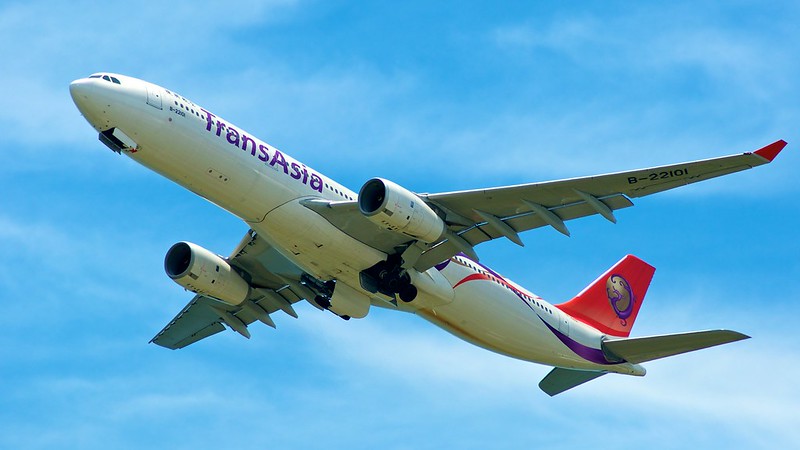
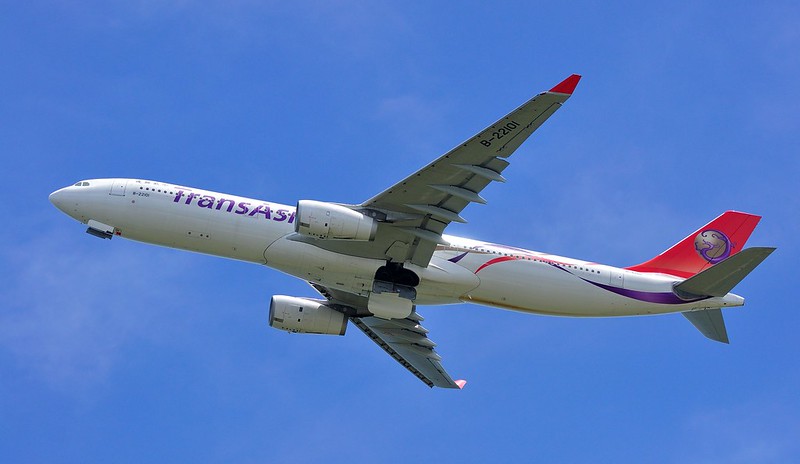 By the way, Mr. Dong and his family from Taipei, whom I chatted with earlier, were on this flight. I can give these two photos to them.
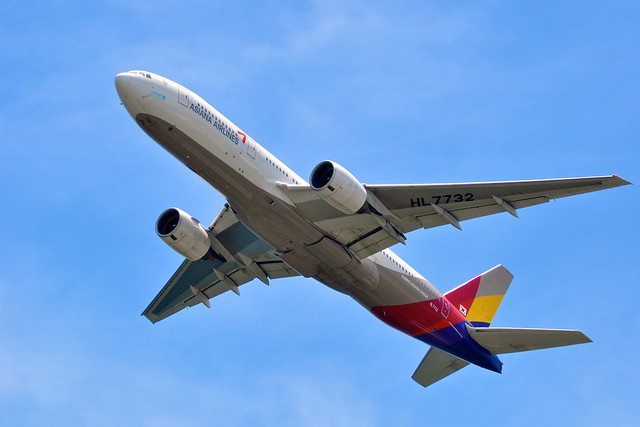
Next is an Asiana Airlines Boeing 777… sigh…
This month, the same type of aircraft as Asiana Flight 214 failed while landing in San Francisco, resulting in the tragic deaths of three Chinese passengers.
The registration number of this aircraft is very close to that of the crashed 777; I estimate they were purchased in the same batch.
Asiana pilots, please fly safely. We cannot lose such a good aircraft again.
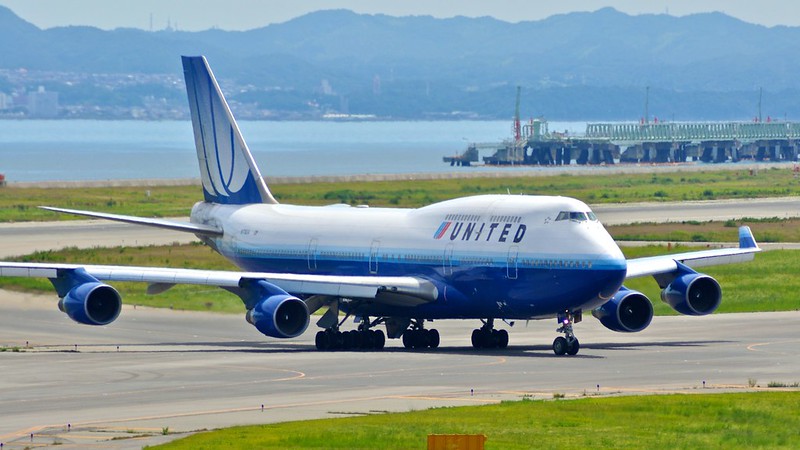
A majestic United Airlines Boeing 747-400:
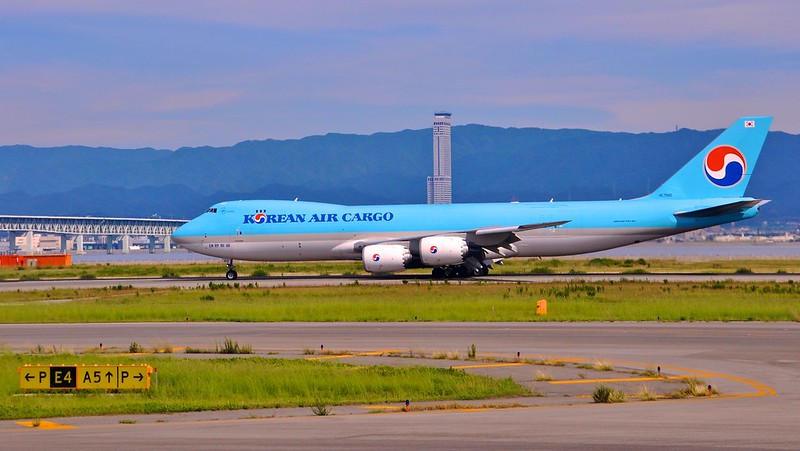
Korean Air’s newest Boeing 747-8. This is the latest model in the 747 family. Just look at the engine nacelle; it’s very cool, isn’t it?
That concludes the aircraft introduction. Now let’s look at some equipment within the airport. First, the ILS Glide Slope antenna:
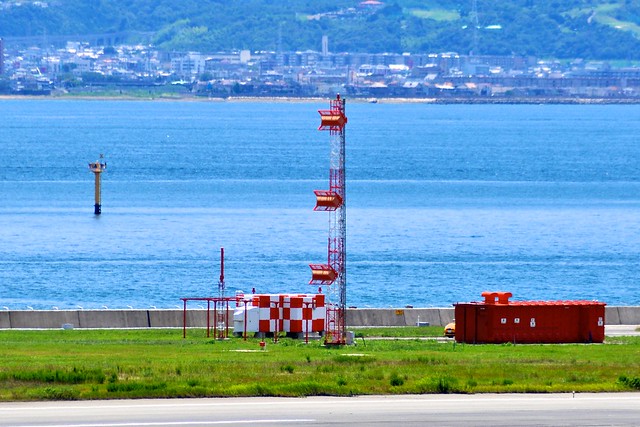 Then the ILS Localizer antenna:
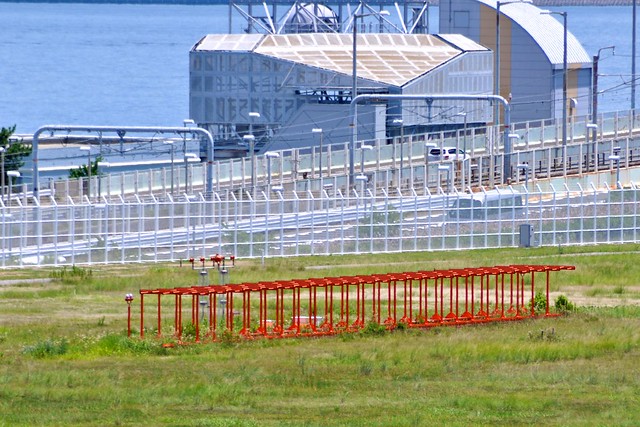 Next is a wind cone (center of frame) and an RVR (Runway Visual Range) sensor (top left):
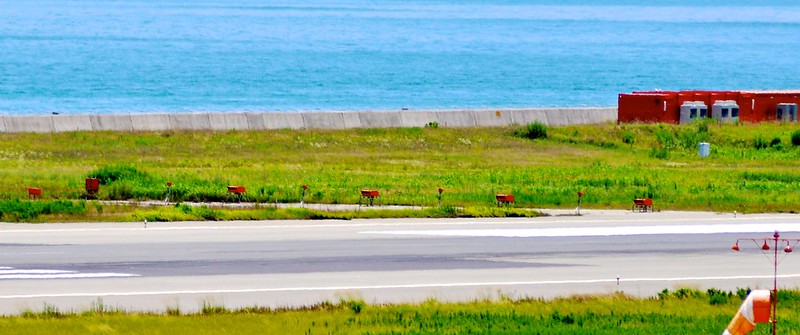
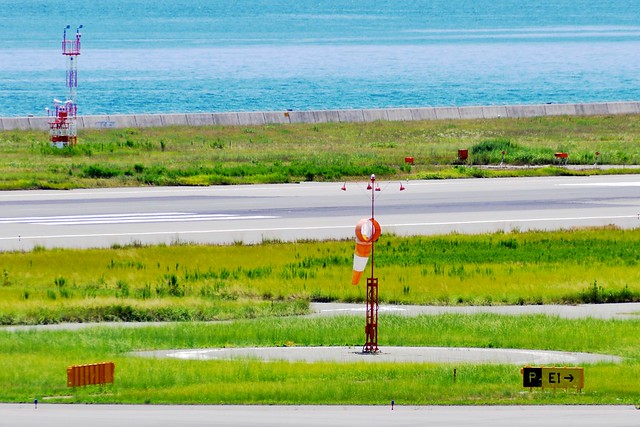 And finally, the 4 PAPI lights. They are a bit small, so they might be hard to spot:
It was almost time for my flight, so I left the observation deck and headed straight for the terminal. I wrote another blog post for photos from the flight. Please visit.
End