Hawaii Roaming First Helicopter Flight
Continuing from yesterday’s flying session in Hawaii, I’ve practiced touch and go at Honolulu International Airport (PHNL) quite proficiently. So now, let’s steer clear of the airport and thoroughly enjoy the tropical ocean scenery.
Today, I switched to the Piper PA-28. After practicing touch and go 2 or 3 times, I took off and circled Oahu.
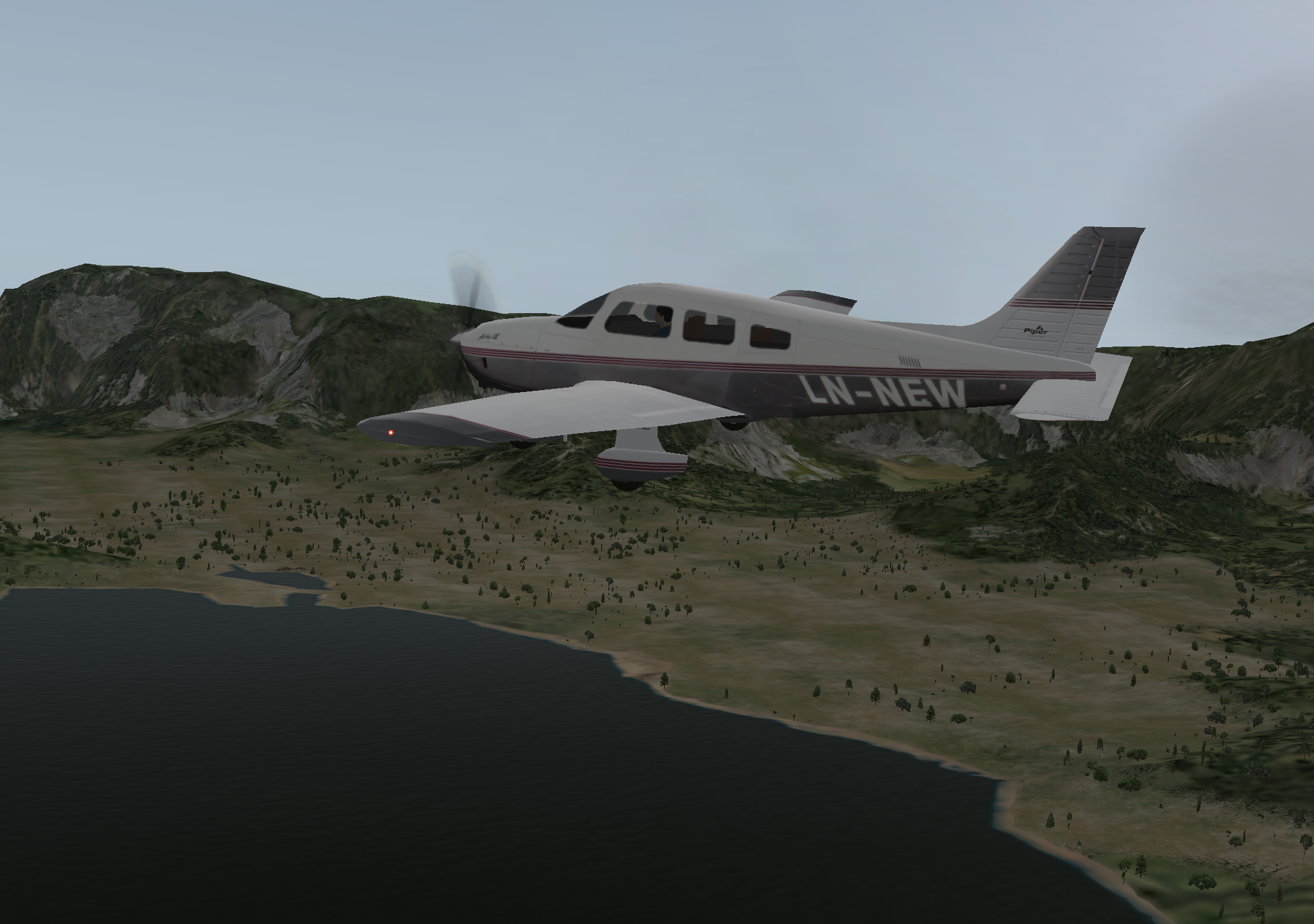
This scenery feels so familiar; after all, these are places I’ve personally flown to, and it always feels heartwarming. Finally, I landed successfully—leaving a keepsake here.
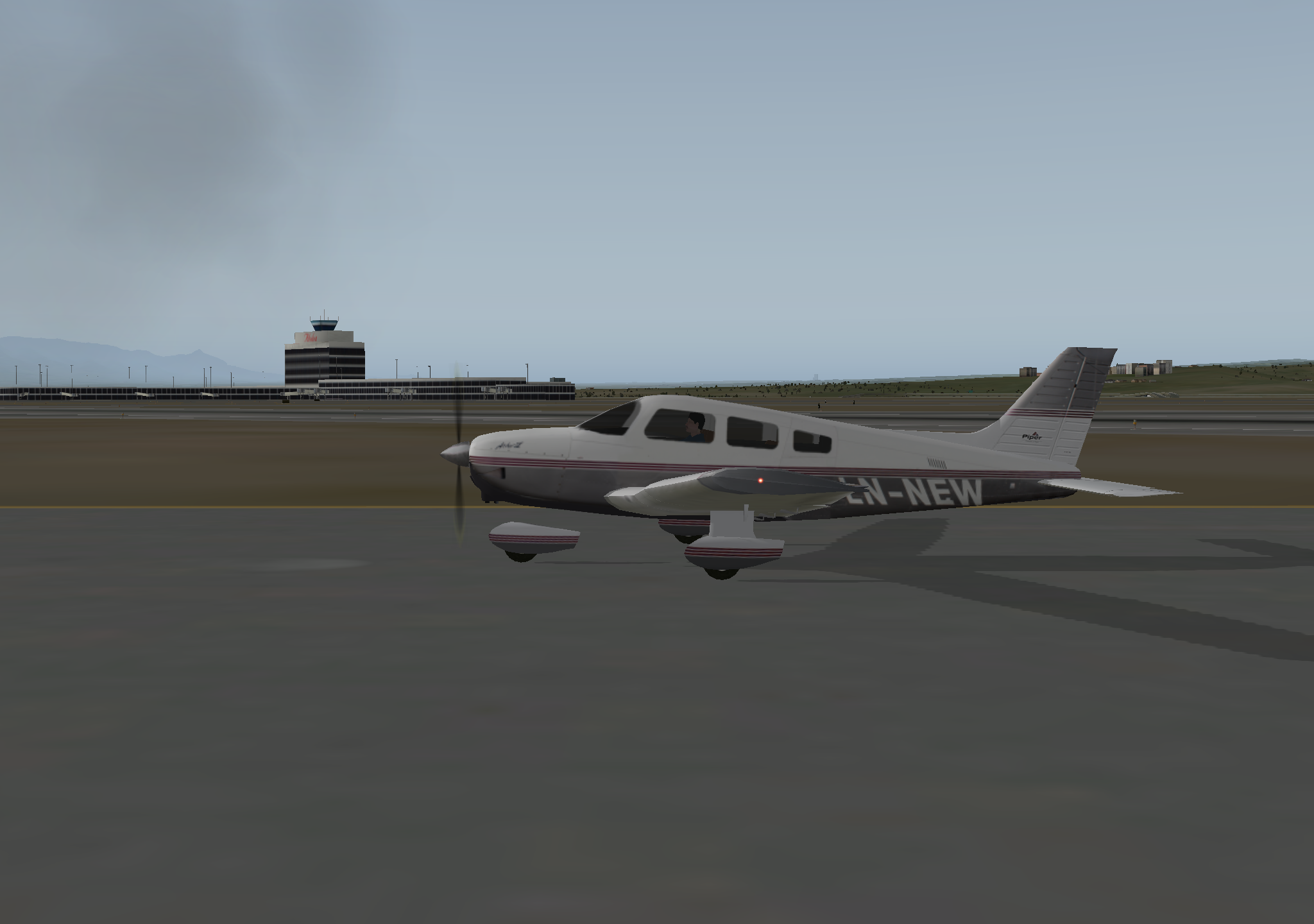
However, I always felt that fixed-wing aircraft fly too fast and fly too high, which isn’t really suitable for sightseeing. So, on a whim, I decided to switch to a helicopter to give it a try.
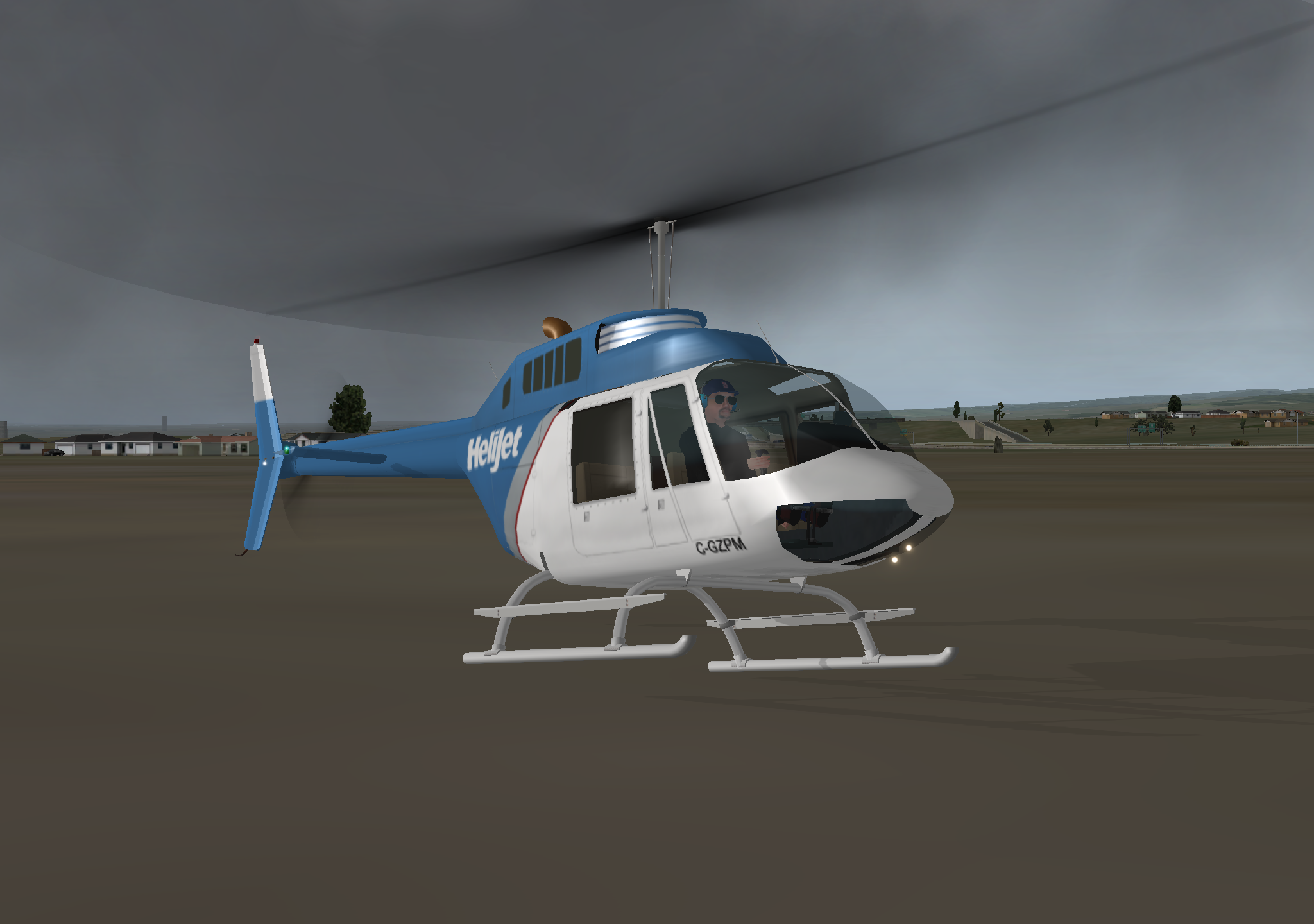
It was my first time flying a helicopter. Initially, after adding throttle, the aircraft just spun wildly, and I didn’t know how to control it. After trying various operations, I discovered that the basic settings and controls are quite different from fixed-wing aircraft.
First, helicopters require an additional setting: the Collective (control stick). This is a concept absent in fixed-wing aircraft. Pushing and pulling the Collective changes the pitch angle of the rotor blades, thereby controlling the helicopter’s altitude. The settings in Settings / Joystick & Equipment / Axis are as follows:
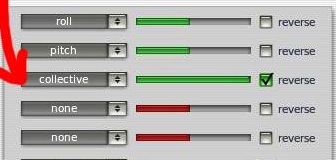
Just like with fixed-wing aircraft, the pitch, roll, and yaw axis settings remain unchanged. Since it features an auto-throttle, change the throttle axis to Collective. Slowly manipulate the Collective to lift the fuselage, then carefully use the pedals to control balance—for example, if the nose swings right, apply left pedal to bring it back.
Another point to note: some helicopter models have a Governor switch.
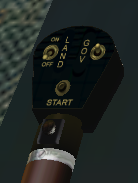
Turning on the GOV enables the auto-throttle, meaning you don’t need to manage the throttle manually, which makes flying much simpler.
The left and right pedals control the pitch angle of the tail rotor. The tail rotor’s function is to prevent the fuselage from spinning in the opposite direction due to the torque generated by the main rotor’s rotation. Therefore, the pedals are used to steer the helicopter left or right during flight, similar to the rudder on a fixed-wing aircraft. The yoke controls the tilt of the main rotor; pushing the stick forward causes the helicopter to fly forward, while pulling it back makes the helicopter fly backward.
Through trial and error, I finally got the helicopter airborne. Alright, here’s a souvenir photo at Pearl Harbor. You should know the USS Arizona Memorial, right?
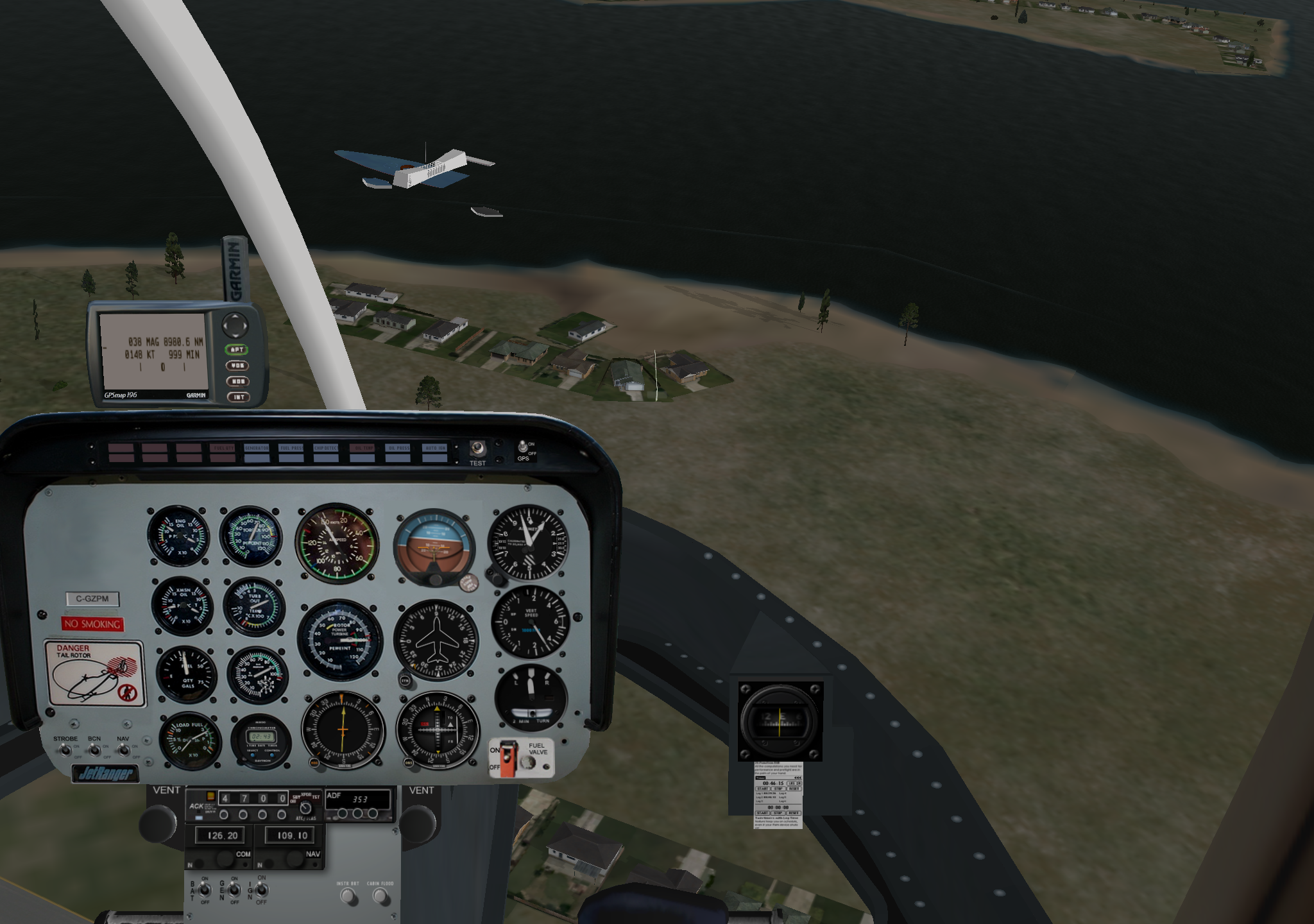
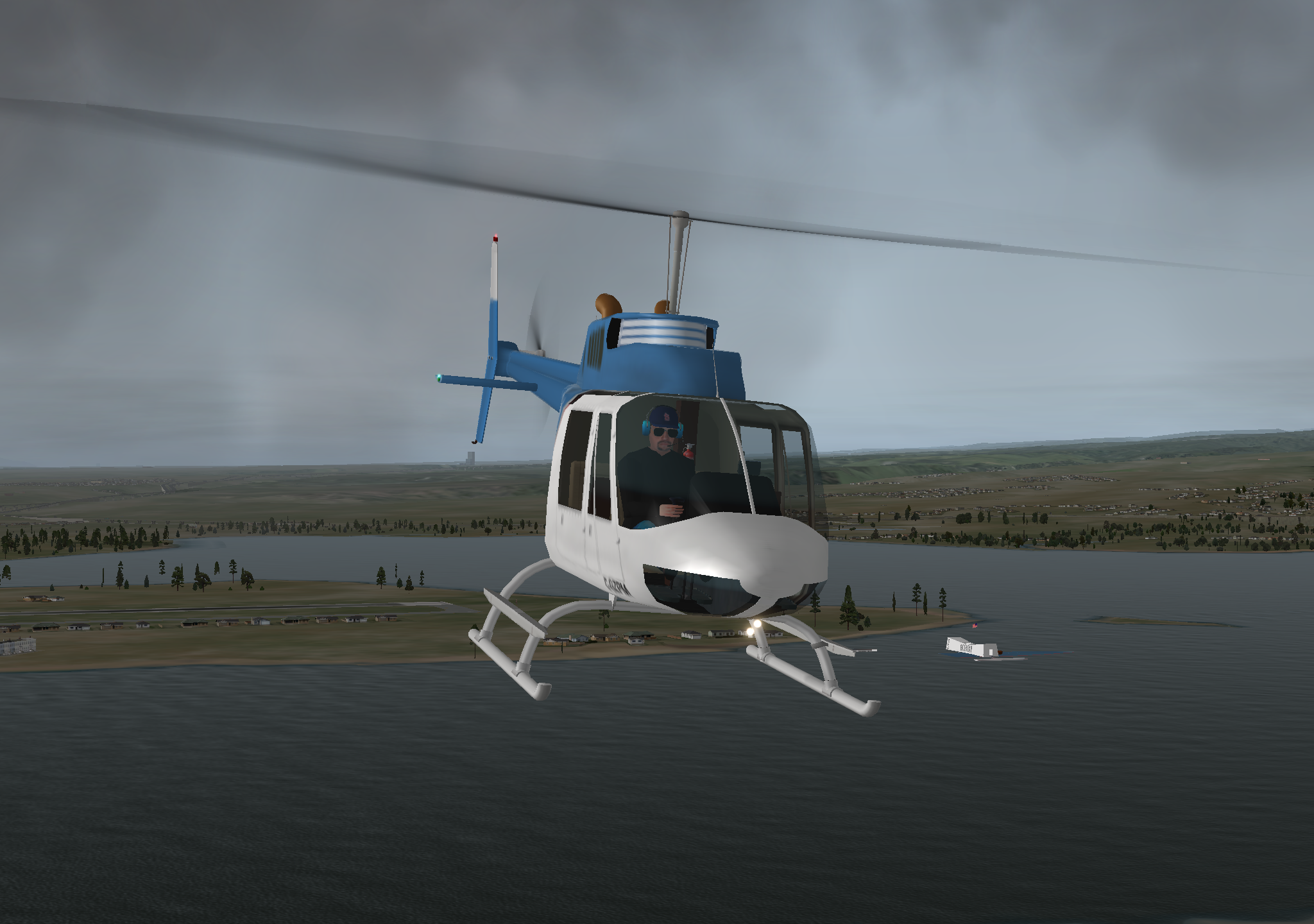
Figuring out how to fly the helicopter roughly on my own gave me a real sense of accomplishment.
End